From Temple Kitchens To Street Carts: The Story Behind Dosa Origin
From Temple Kitchens To Street Carts: The Story Behind Dosa Origin
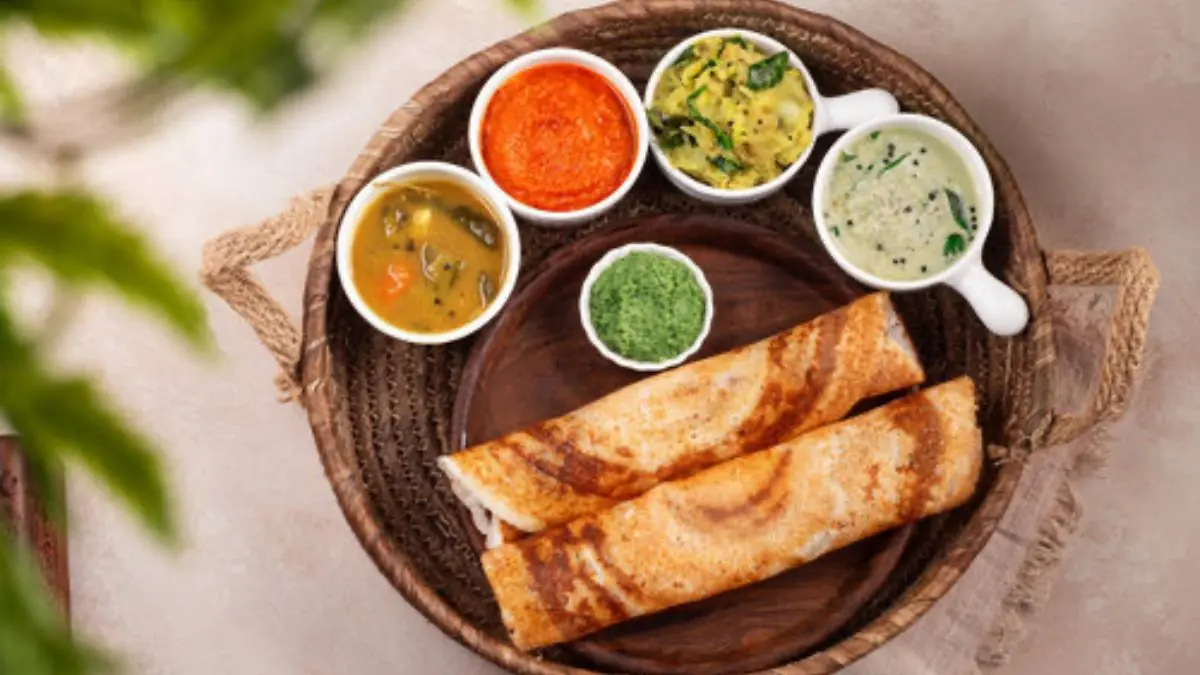


This article tells the story of the dosa and how it travelled through history. It began as a thick pancake mentioned in ancient books and royal records. Later, it became a sacred offering in the kitchens of great temples. The story moves to the busy cities where Udupi cooks created the crispy masala dosa we know today. Finally, it looks at how this simple dish became a street food favourite all over the world.
You know the day has started in a South Indian home when you hear the sound of batter sizzling on a hot pan. That smell of toasted rice and lentils is unlike anything else. It wakes up millions of people every single day. The dosa looks like a simple thing. It is just a golden crepe made from grain and water. But this humble food has a story that is thousands of years old. It connects the past to the present in a very tasty way. Making a dosa takes patience. You have to soak the ingredients and grind them down. Then you must wait for the batter to ferment overnight. This slow process is what gives the dosa its famous sour tang. It is a dish that has survived wars and changing empires. It moved from the stone hearths of ancient villages to the stainless steel kitchens of modern restaurants.
Old Books And Royal Recipes
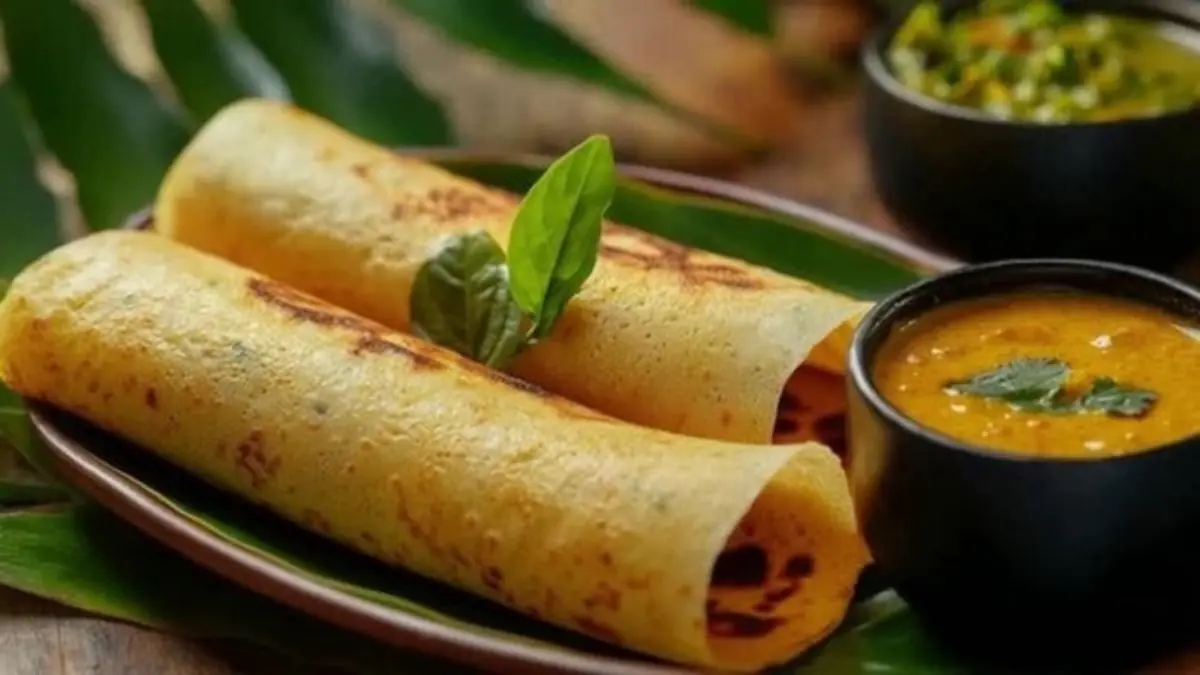
The history of this dish is hidden in some very old writings. If you look at Tamil poems from long ago, you will see a food called dosai mentioned. Back then, it was a common meal for many people. It was likely a soft and thick pancake rather than the thin crepe you eat now. In the 12th century, a king named Someshvara III wrote a book about the good things in life. He included a recipe for something called dosaka. This shows that even kings in the past enjoyed this food. These early cooks were very clever. They learned that fermenting the batter made it healthier and easier to digest. They used the warm weather of the south to help the batter rise. Over time, people started adding more rice to the mix. This change helped the batter spread thinner and become crispier.
The Temple Kitchen
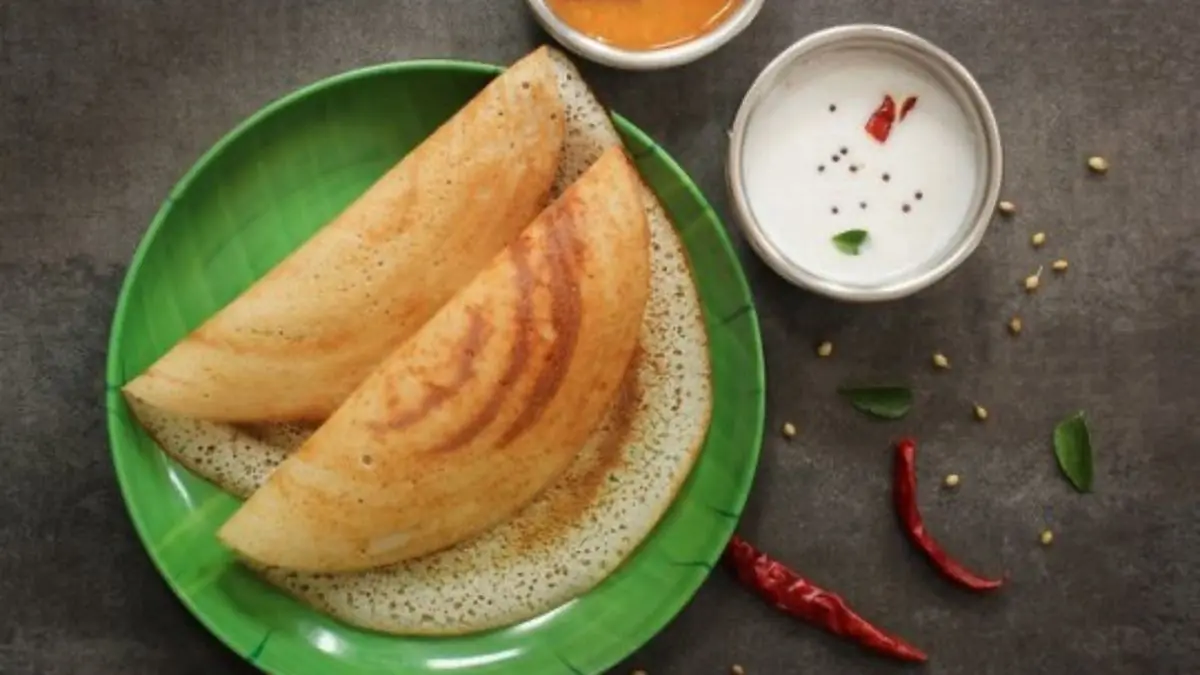
For a long time, the best place to eat was inside a temple. The kitchens in these holy places were very serious about food. The cooks were priests who followed strict rules to keep everything pure. They used heavy stone grinders to crush the rice and dal by hand. This was hard physical work. The slow grinding kept the batter cool and improved the taste. In temples like the one in Kanchipuram, the dosa was made as an offering to God. It was seasoned with black pepper, cumin, and dry ginger. They did not use red chillies because those had not come to India yet. After the prayers were done, the food was given to the people. This temple food was a blessing. It was a way for the community to share a meal together. It taught people that simple food could be divine.
The Udupi Inventors
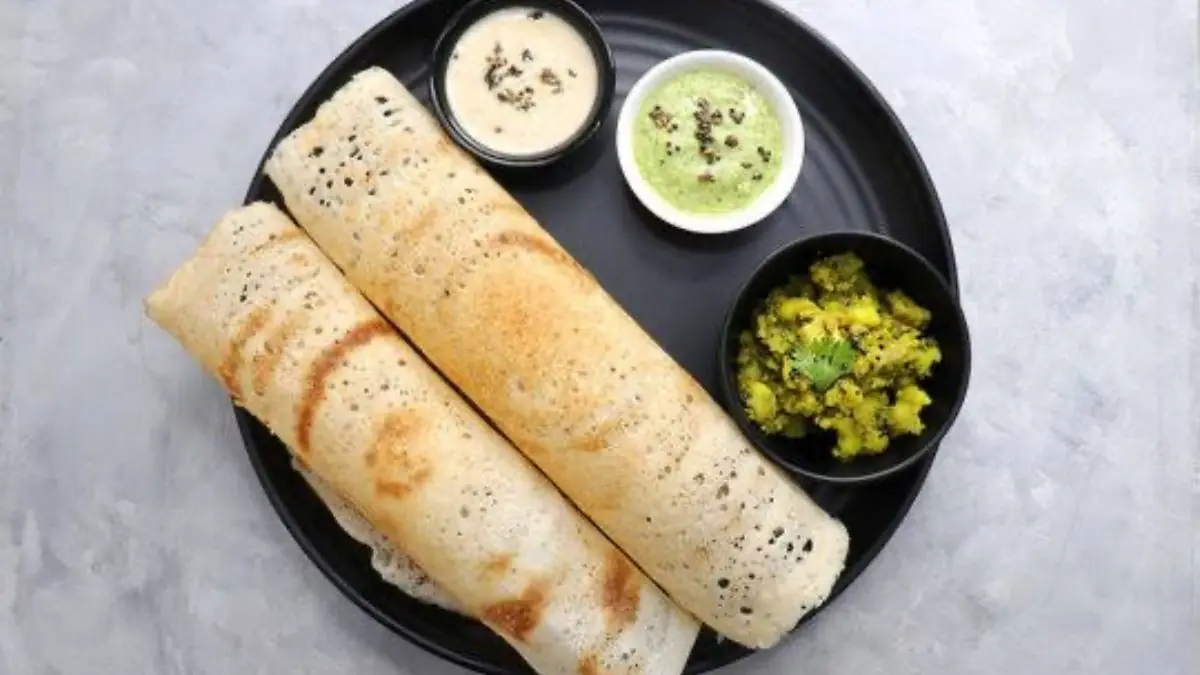
The dosa became a superstar because of cooks from a town called Udupi. In the last century, many of these cooks moved to big cities like Mumbai to find work. They opened small hotels that served cheap and clean vegetarian food. They were the ones who made the dosa thin and crispy like paper. Today, many people make these at home using a non stick tawa and a mixer grinder to save time. This is also when the masala dosa was born. The cooks started putting a spiced potato mash inside the dosa. Some people say they did this to hide the onions from strict customers. Others say it was just a smart way to make a full meal. This potato filling changed everything. It made the dosa a favourite lunch and dinner option for everyone. It turned a southern breakfast into a national dish.
From Street Carts To The World
Today, the dosa has become a star on the streets and in fancy restaurants. If you walk through an Indian city at night, you will see vendors making dosas with incredible speed. They use very long griddles and can make many at the same time. These street cooks have become very creative. They now fill dosas with things like cheese, vegetables, or even spicy noodles. While these are new ideas, the core of the dish is still the same old fermented batter. The dosa has also travelled across the oceans. You can now find it in food trucks in London, New York, and Sydney. It is popular because it is naturally gluten-free and often vegan. It fits perfectly into the way people want to eat today. The journey of the dosa shows that good food does not need to be complicated. It just needs a good tradition and a bit of care. It remains a symbol of South Indian pride that the whole world can now enjoy.