Diwali Special Regional Ladoos Of India: From Motichoor To Rava
Diwali Special Regional Ladoos Of India: From Motichoor To Rava
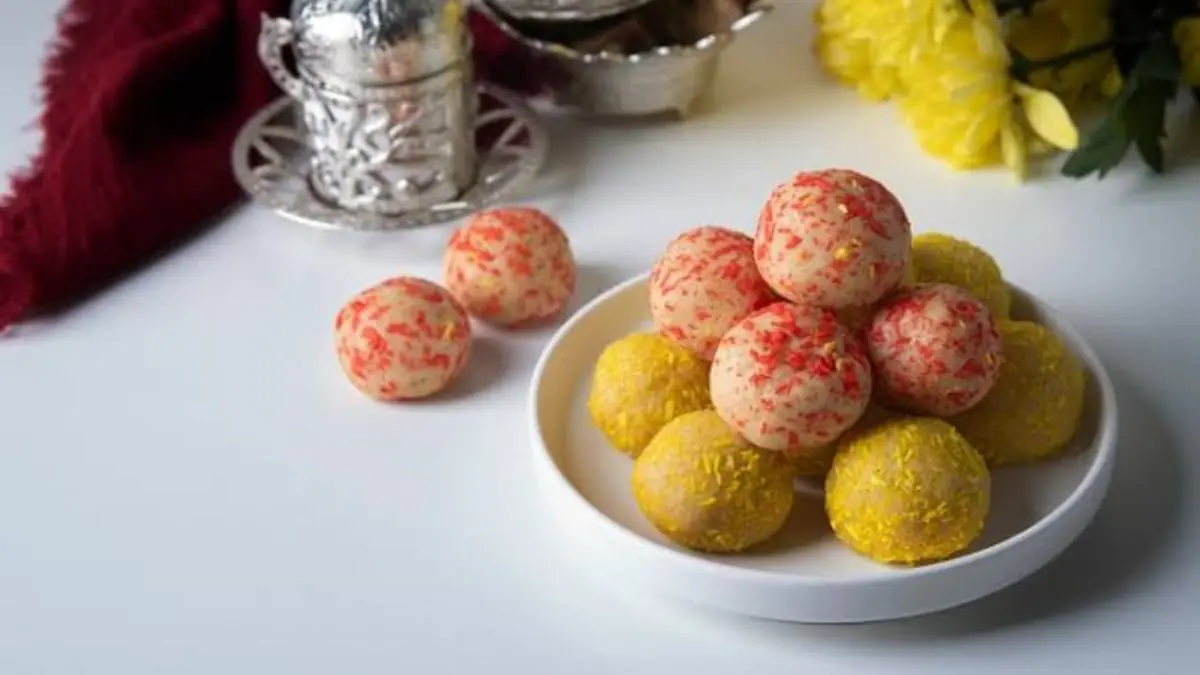


Every part of India makes ladoos in its own way for Diwali. Each one tastes different but means the same thing: sweetness, sharing and celebration.
When Diwali comes closer, most homes start with sweets, and ladoo is almost always the first one. The smell of ghee spreads through the kitchen and people begin shaping small round balls that remind them of past years. Each place in India has its own way of making it. Some use besan, some coconut, some rava. The ingredients are simple but the memory behind them is strong. Many families follow old recipes written in small books or remembered by heart. Ladoos are made early and stored in tins, packed in boxes and given to relatives or friends. Every house may use a different recipe, but the feeling behind it stays the same: happiness shared through food.
Motichoor Ladoo: North India’s Festive Essential
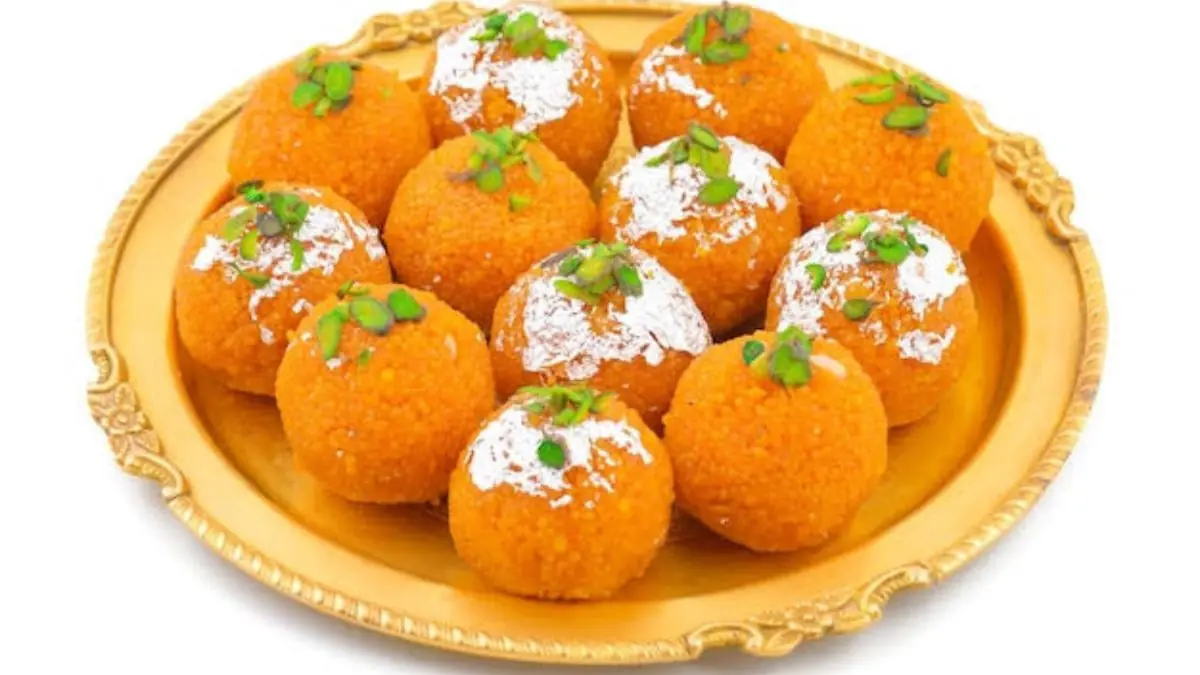
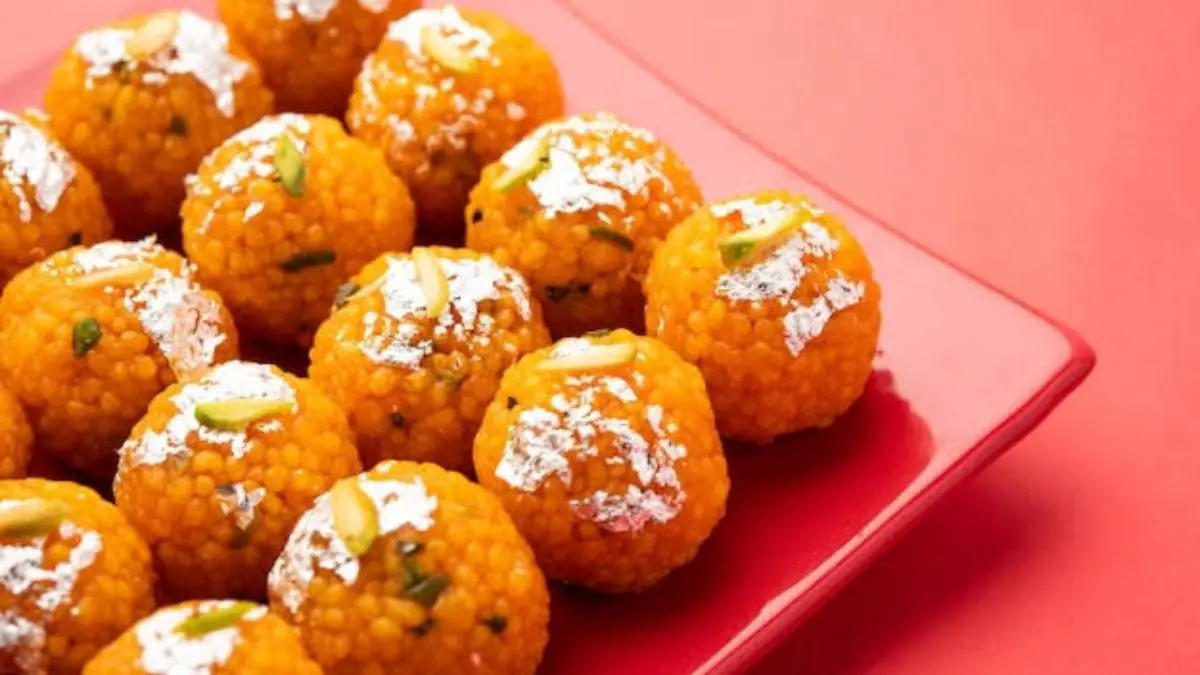
Motichoor ladoo is one of the most iconic sweets prepared during Diwali, often found on temple trays and in festive boxes exchanged among families. Made using fine boondi prepared from gram flour and fried in ghee, the tiny pearls are soaked in fragrant sugar syrup before being gathered into perfectly round ladoos. Their name comes from the Hindi words moti for pearls and choor for crushed, describing their delicate texture. In many North Indian households, the ladoo is flavoured with cardamom and sometimes saffron, giving it a rich aroma that lingers long after the meal. Motichoor ladoos are also associated with religious offerings, where they symbolise prosperity and the sweetness of shared beginnings.
Coconut Ladoo: South India’s Coastal Sweet
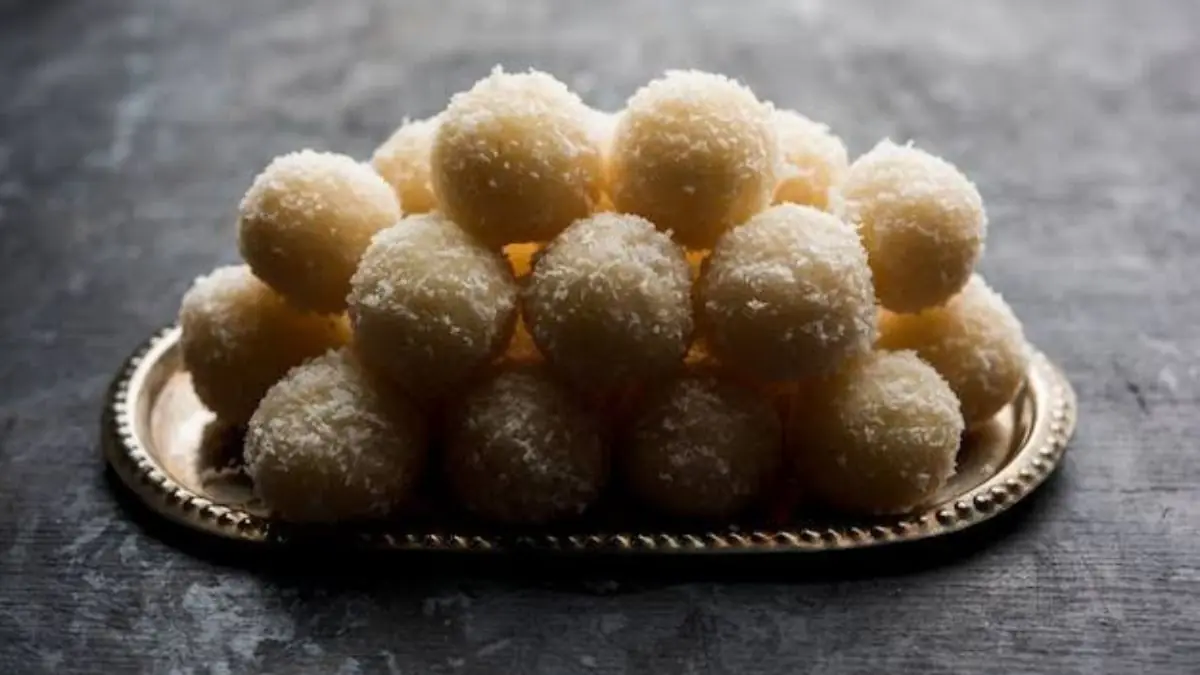
In southern India, coconut ladoos are prepared abundantly during festive months when freshly grated coconut is available in local markets. These ladoos are made by cooking coconut with jaggery or condensed milk until it binds into a soft mixture that can be shaped by hand. The combination of coconut and jaggery gives a deep caramel flavour that reflects the coastal palette of the region. In Tamil Nadu and Kerala, coconut ladoos are often served alongside savouries during Diwali tea gatherings, offering a balance of richness without being heavy. Many homes continue to use fresh coconut milk in the preparation, maintaining a texture that feels homely and authentic. The simplicity of the ingredients and the freshness of the coconut make this ladoo a festive favourite across southern states.
Besan Ladoo: The Classic Sweet Of Central India
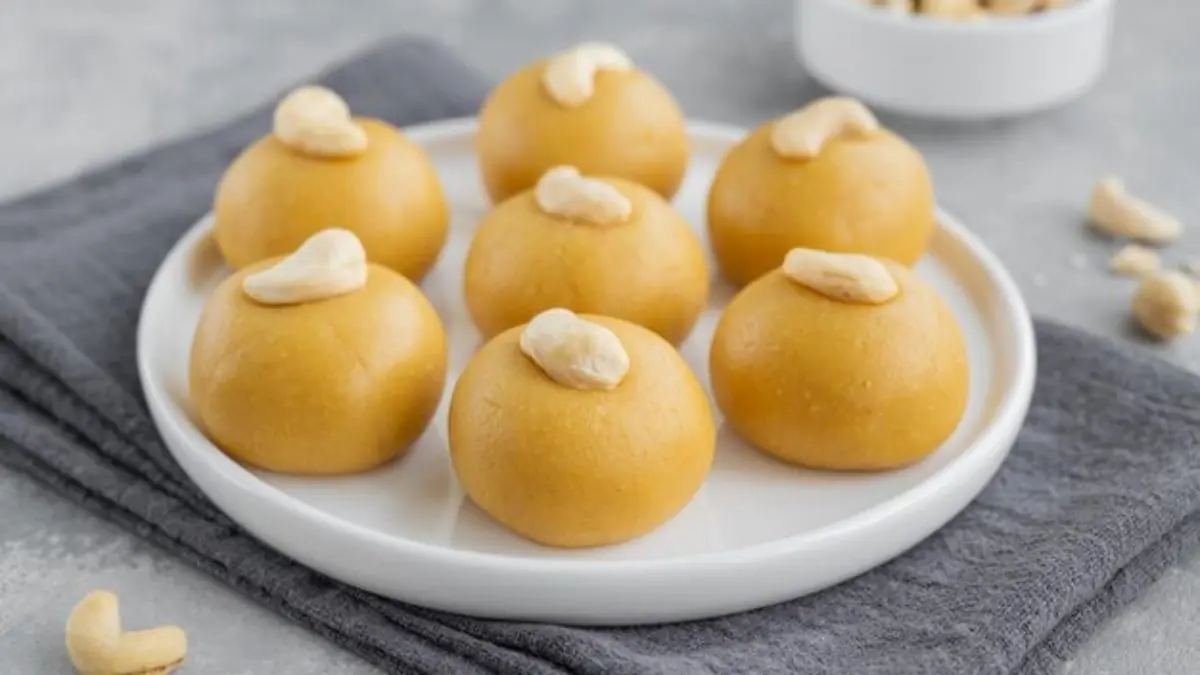
Besan ladoo is one of the most loved and commonly prepared sweets during Diwali in Central and Western India. It is made by roasting gram flour in ghee until golden brown and aromatic, before adding powdered sugar and cardamom. The roasting process is slow, ensuring that the besan develops its deep nutty flavour. This sweet is known for its comforting texture and balanced sweetness that pairs well with Indian chai. In many Maharashtrian and Madhya Pradesh homes, besan ladoos are made in large batches and stored in tins to last through the festive period. Some families add chopped nuts or a hint of nutmeg, making it slightly richer while keeping the core taste intact.
Boondi Ladoo: The Temple Offering Turned Festive Staple
Boondi ladoo holds a special place in festive rituals and temple offerings, particularly in Andhra Pradesh and parts of Tamil Nadu. Made from coarser boondi compared to the motichoor version, the sweet has a grainier texture and a more robust taste. The boondi is fried until crisp and then mixed into sugar syrup infused with cardamom and clove. Often coloured in shades of orange and yellow, boondi ladoos are distributed during religious ceremonies and festive gatherings as a symbol of goodwill. The recipe remains closely tied to traditional temple kitchens, where the proportions of sugar, water, and flour have been maintained for generations. During Diwali, these ladoos are often packed in boxes and shared with relatives as a gesture of festive joy and community.
Rava Ladoo: The Simple Sweet Of Everyday Celebration
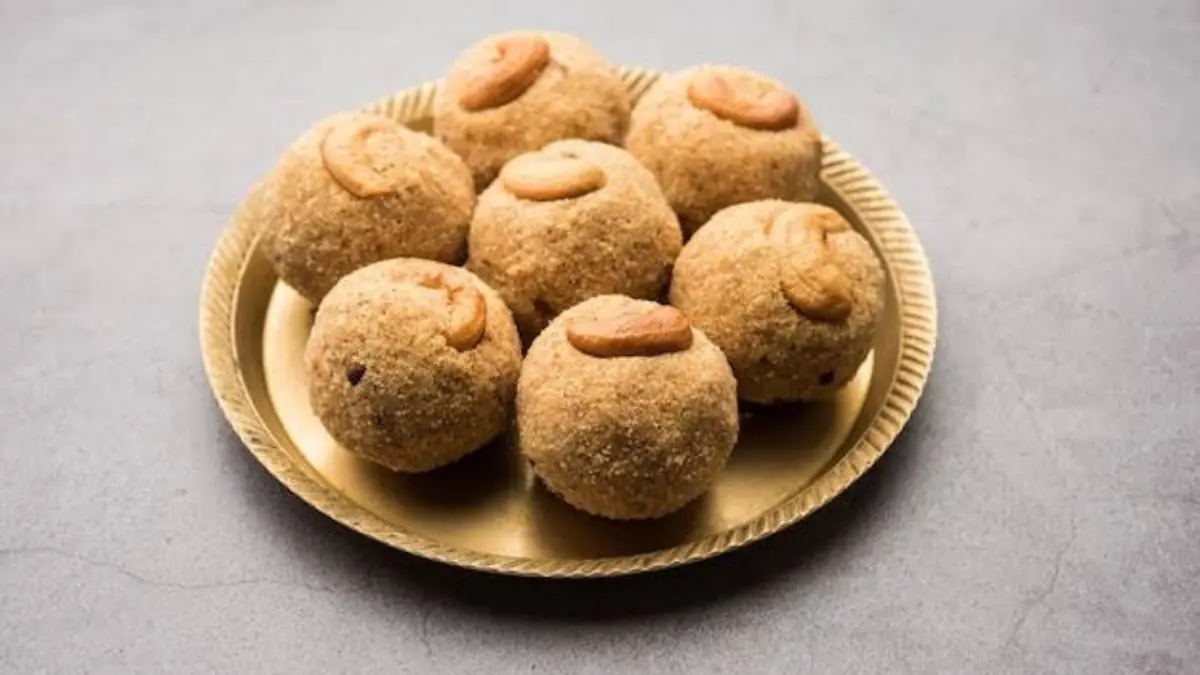
Rava ladoo, also known as suji ladoo, is one of the easiest sweets to prepare during Diwali and remains a household staple in many parts of India. Made with semolina, sugar, ghee, and a touch of cardamom, it requires minimal ingredients and very little time. The semolina is roasted until fragrant, then mixed with sugar and warm ghee to form a mixture that binds together when shaped. In Karnataka and Maharashtra, some families add grated coconut or milk to soften the texture, giving it a mild sweetness. This ladoo is especially popular among working households who want to prepare something homemade for the festival without extensive preparation. Its lightness and clean flavour make it a versatile sweet that pairs beautifully with tea or after a meal.