Best Practices For Storing Cooked Rice Safely
Best Practices For Storing Cooked Rice Safely
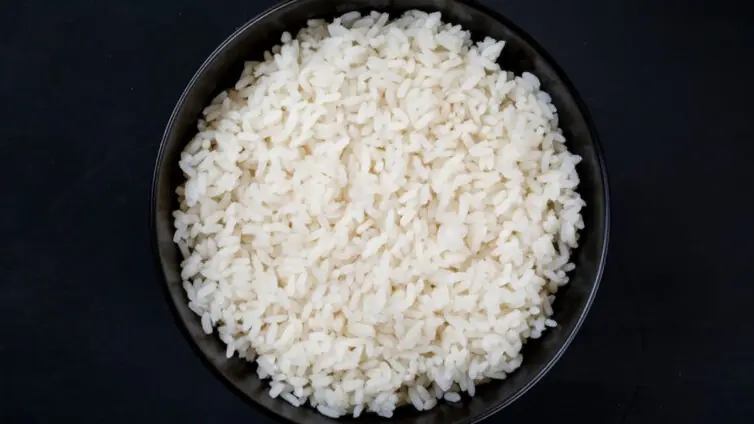


Rice is a central part of diets in India and across Asia, forming the foundation of most meals and holding deep cultural significance. Cooked rice, a daily staple, can be stored safely to ensure it remains edible and convenient for later use. How to store rice to keep it fresh can be confusing sometimes. In general, rice kept in the refrigerator stays good for a couple of days, while freezing it can extend its shelf life up to a month. Properly storing rice helps maintain its quality and usability, allowing people to enjoy this essential grain without waste.
In case you didn’t know, there are more rice varieties grown across the Indian subcontinent and the world. Rice is considered the foundation of any meal in Indian culture, as it is in many other Asian cultures. The Sanskrit word anna refers to both food and rice. You most likely keep your rice in the pantry if you’re like most people. However, did you know that there are proper and improper ways to store rice? Are you a rice lover who craves perfectly cooked, fluffy rice every time?
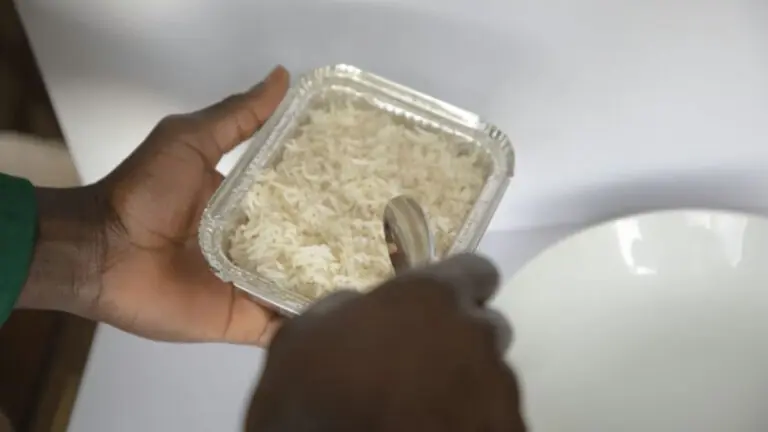
Look no further than these best practices on how to store cooked rice safely to fulfil your culinary desires. Have you ever had a bowl of rice that didn’t taste quite right? It was probably not freshly ground. Actually, rice loses quality with time; the fresher the rice, the better it will taste. Plus, storing it well and knowing the best ways to store it, especially cooked rice, will make your food taste better! Let’s talk about how to store rice properly to keep it tasty and fresh in this article. Rice ensures excellence with every meal, whether you’re making basic pulao or biryani. It retains its flavour and scent when stored properly, making every meal unique.

Store In The Fridge
All types of germs thrive on cooked rice because it is wet. In light of this, it’s crucial to let your rice cool completely before storing it, especially if you’re someone who is concerned about food safety and wants to follow through. Once cool, place your rice in an airtight container or a zipped plastic bag, ensuring that as much air as possible is removed before sealing, and put it in the fridge. When you’re ready to eat your rice, make sure that you reheat rice cooked in a rice cooker with a little water to help loosen the dried grains. As a general rule of thumb, you should reheat the rice for 30 seconds, stir and repeat if needed.
Freeze Leftover Cooked Rice
A lot of people are unaware that cooked rice may also be frozen! This is a terrific technique to cut down on food waste if you’ve cooked too much, and a great option on how to store cooked rice. Just put it in the freezer and use it when you need it. Before freezing your rice, make sure it has completely cooled. After the rice has completely cooled, put it in freezer bags and flatten it as much as you can to ensure a tight seal and easy storage. To find out how long your rice has been in the freezer, date and label it. You can safely freeze rice for up to a month.
Store With A Damp Towel
Try covering your rice with a damp paper towel or wet napkin if you want it to stay soft and not dry out in the refrigerator. Before putting the rice in the refrigerator, simply lightly cover it with the towel. It doesn’t feel dry or hard when you reheat it in an OTG or eat it later because the moisture from the paper keeps the grains soft and fluffy. This method is very simple and works well for short-term storage; no fancy containers or special techniques are required. This also prevents the rice from spoiling.
Add Some Oil In The Container
If you’re still not sure about how to store cooked rice, try this method. While the rice is still warm, add a tiny bit of oil to prevent it from sticking together when being stored. Stir the grains gently so that they are coated just enough to keep them apart without turning the rice oily. The grains remain light and loose when you reheat them later, thanks to this little step that helps preserve the frothy texture. This simple, quick method is ideal for temporary storage in a lunchbox or refrigerator.
Do Not Store At Room-Temperature
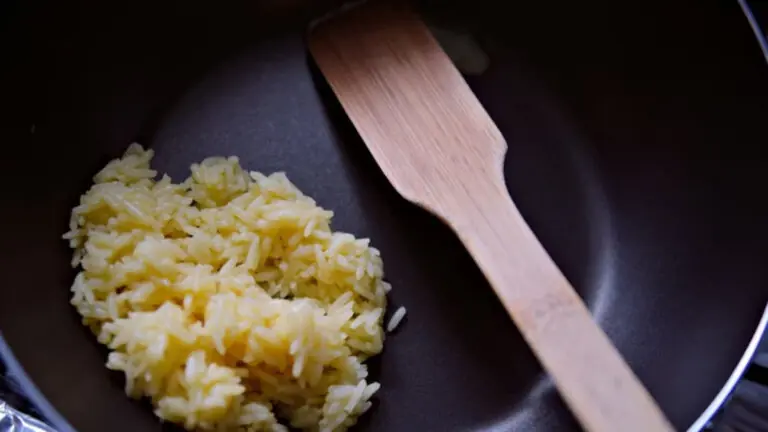
If rice is left outside, bacteria can grow quickly, making it dangerous to eat. If you want to prevent rice from being spoiled, do not do this. After cooking, move the rice to a clean container and place it in the refrigerator within two hours to preserve its freshness and health. The rice cools more quickly if it is spread out a little. You can safely store it for a day or two after it’s chilled. Every time you reheat your rice, it stays fluffy and delicious thanks to this easy practice that protects your food.
Vacuum Sealing Cooked Rice
One of the best techniques for storing rice is vacuum sealing. By eliminating all air surrounding the rice, vacuum-sealed containers stop oxygen or moisture from spoiling it. This helps preserve the rice’s freshness for a much longer time, often up to a year or more, depending on the type of rice and the storage conditions. If you buy rice in bulk, divide it and make multiple smaller portions. Vacuum sealing those individual, smaller portions can help keep the rest of your stock fresh while allowing you easy access to smaller quantities.

Consider The Type Of Rice
Understanding that different types of rice have distinct shelf lives is crucial when determining how to store rice for an extended period of time. Brown rice has a lower shelf life of up to six months, but white rice, such as basmati, kolam, and sona masoori, lasts up to two years. Brown rice contains its bran layer and oil content. The oil in brown rice makes it more prone to spoilage. If you’re planning for long-term storage, consider opting for white rice varieties, which are better suited for extended storage periods.
Long-term rice storage is not difficult. Use the appropriate container, keep it dry and cool, shield it from insects, and check it frequently. These techniques for how to store rice that is already cooked is ideal for keeping both regular and unusual varieties of rice. Your rice will remain tasty, nutritious, and fresh for years if you take good care of it. Efficient storage reduces waste and increases savings. Enjoy fresh rice every day by putting these suggestions into practice right now!