7 Induction Cooking Mistakes That Ruin Your Food
7 Induction Cooking Mistakes That Ruin Your Food
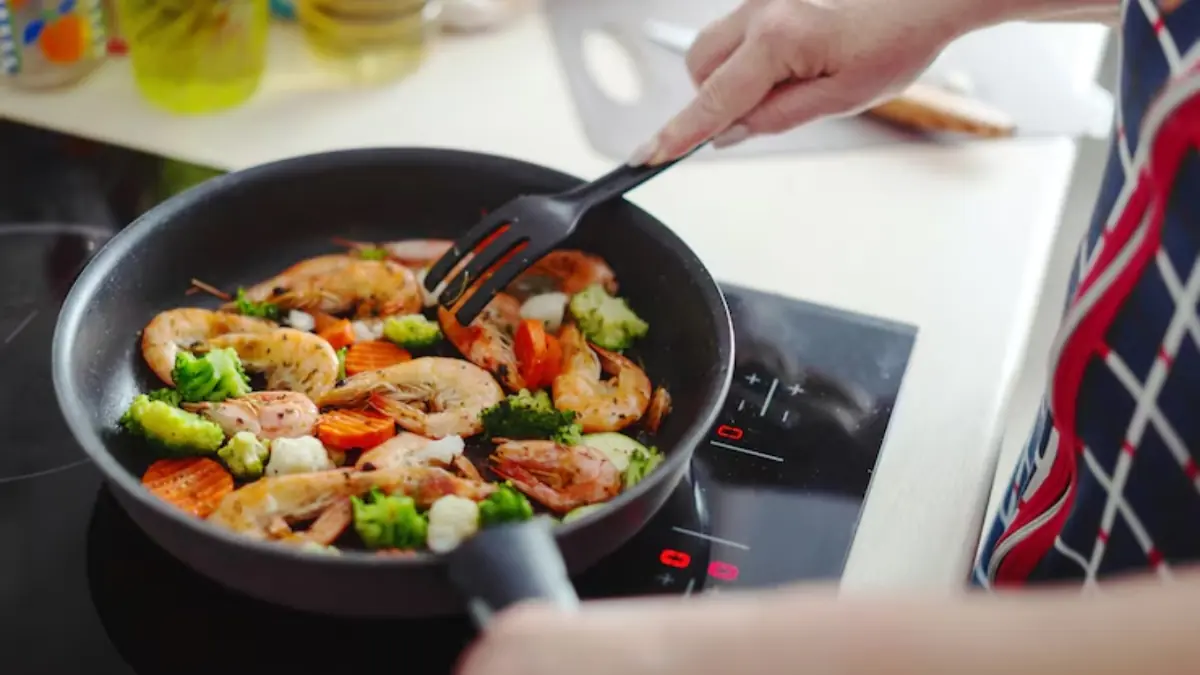


Whether you’re in the process of setting up a new kitchen, have run out of gas cylinders, or are just a beginner with induction cooktops, this guide is just for you. From getting familiarised with the temperature settings to knowing the tips for handling induction-safe cookware, here are some tips to avoid some of the most common mistakes that can ruin your meals.
Faster, cleaner, safer induction cooktops are becoming more and more popular every day in a typical Indian kitchen. Cutting out the continuous hassle of booking a gas cylinder, checking for leaks before leaving the home, getting the burners cleaned, and much more, induction stoves fit perfectly in a modern Indian kitchen.
However, while it is much easier to use, you must know the differences between a gas stove and an induction or infrared cooktop. Being aware of the right cookware to use, controlling the temperature, using the correct stirring techniques, and getting a deeper understanding of the cooktop’s power will help you get better and faster meals than a gas stove.
If you’re a beginner wondering why your parathas aren’t as crispy or why your milk always boils over on an induction stove, keep reading. Here are some of the most commonly made mistakes that can affect the taste and texture of your dishes. So, to avoid ending up with a burnt sabzi or rubbery paneer, follow these tips and master the art of cooking on an induction cooktop.
Cookware With An Uneven Base
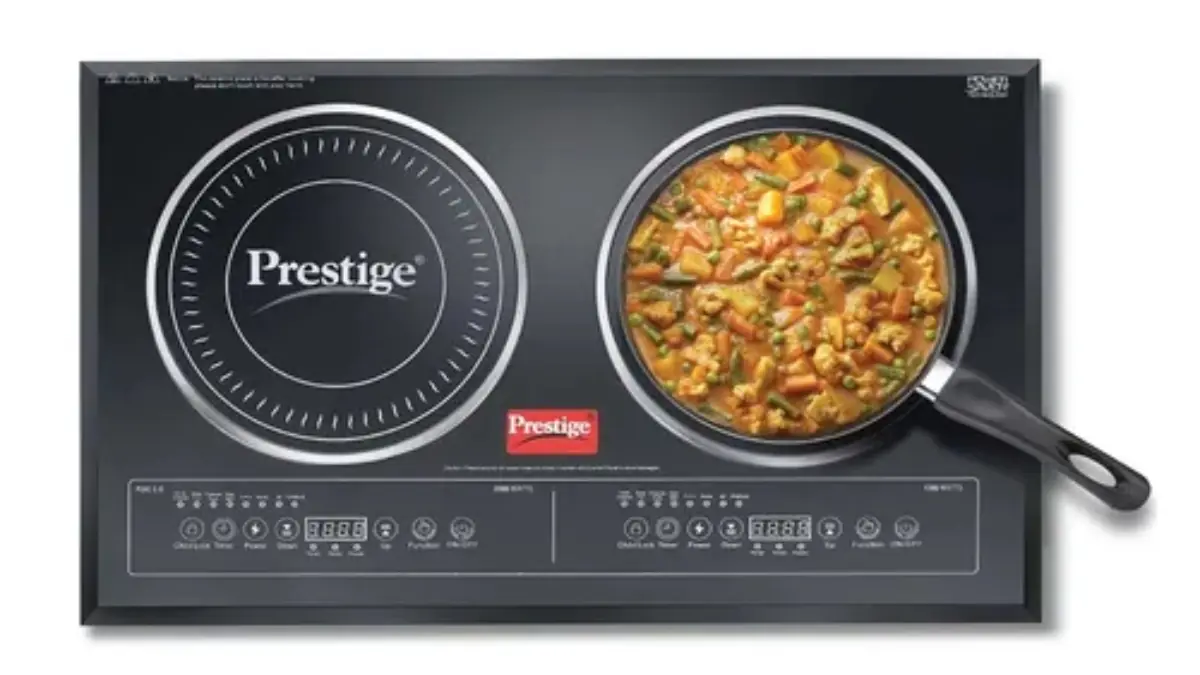
The love for a seasoned kadai or that old aluminium pressure cooker passed down through generations is truly unmatched. However, the induction stove requires a flat, iron-based bottom. Even though you might have bought an induction-safe cooker or pan, ensure that it has a perfectly flat bottom. If the base is patchy or uneven, the magnetic top of the induction stove heats unevenly, thus leading to hotspots and burnt masalas. So, invest in heavy-bottomed stainless steel or cast iron induction-safe cookware for perfectly cooked food.
Using High Temperature For All Processes
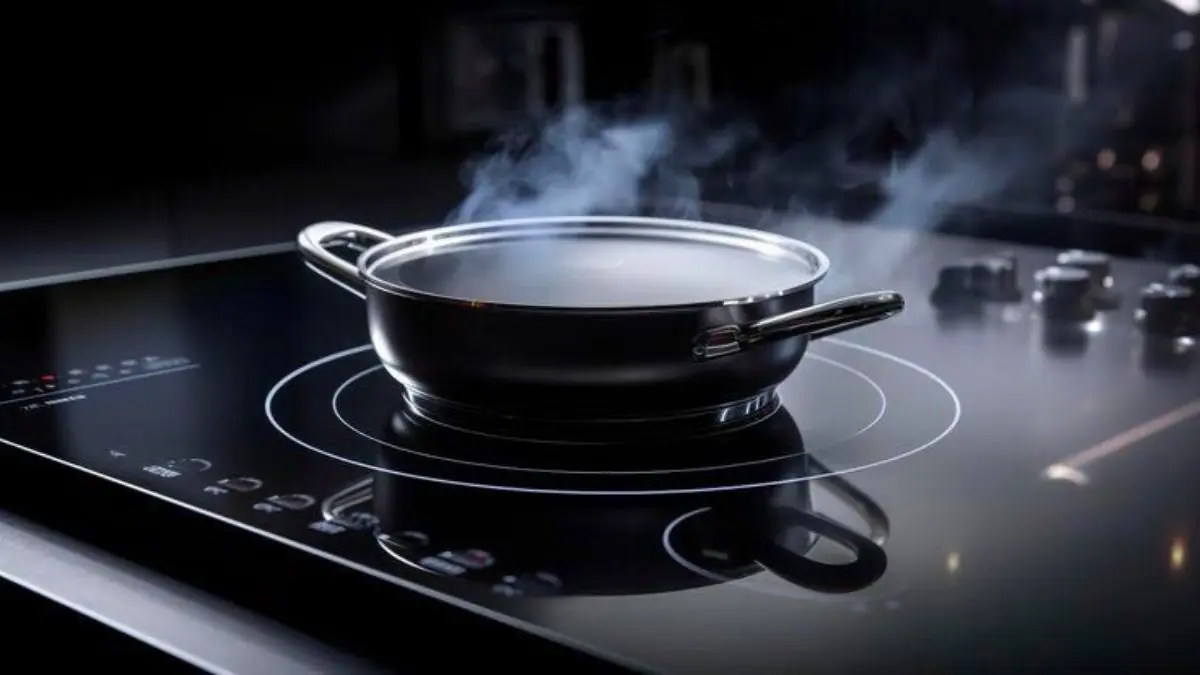
If you are used to cooking on a gas stove, your cue to check the food or stir some masalas is the flame. Induction, on the other hand, only has digital numbers. And more often than not, to fasten the pace of the cooking, the default setting on which the cooktop works is on a high temperature or the boost mode. Since induction cooktop evenly heats the cookware, especially on high wattage, there are more chances of getting burnt jeera or spices. Therefore, it’s best to start slow while sauteeing the masalas and onion, and once you’ve added all the ingredients, you can gradually increase the temperature.
Ignoring The Size Of The Vessel And Induction Ring
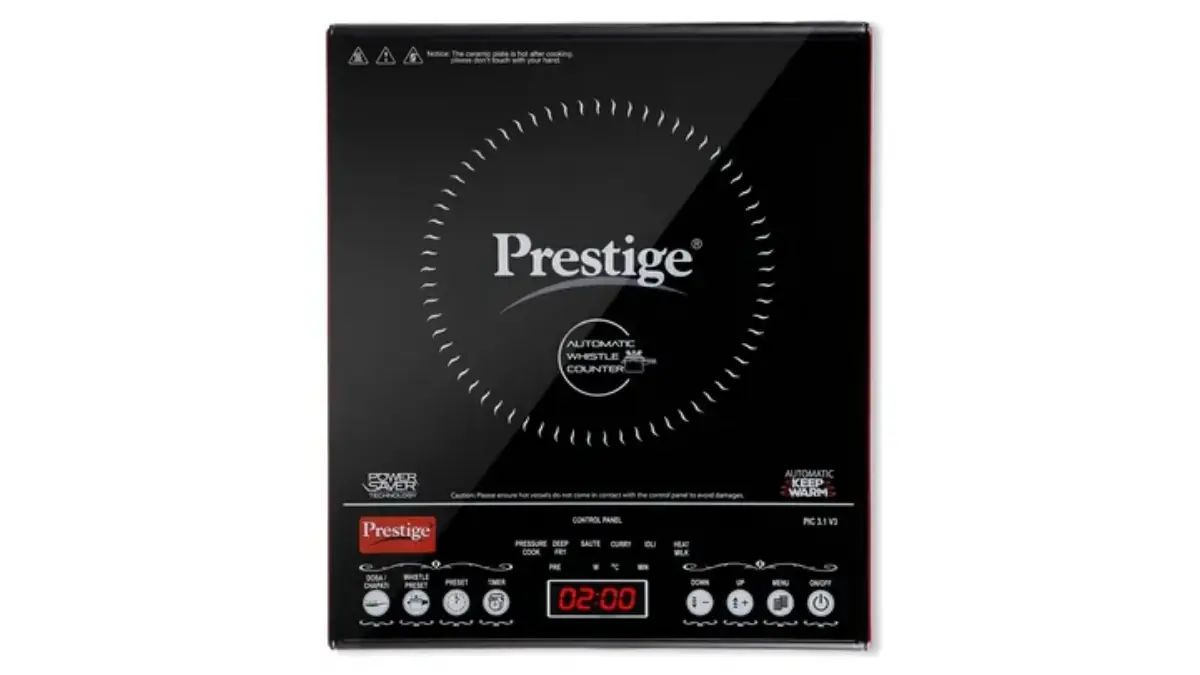
Induction cooktops are marked with a circular ring on the glass. And one of the most commonly made mistakes is ignoring the ratio of the size of the induction ring and the circumference of the cookware. Be it using a tadka pan on a large induction ring or a large biryani pot on a smaller one, the induction cooktop will not function properly. In case of a smaller cookware than the ring, the sensor would not even detect if something is placed on the top. Also, if the vessel is larger than the size of the ring, the heat will not reach the edges, leading to uncooked food.
Dragging The Cookware On The Glass Cooktop
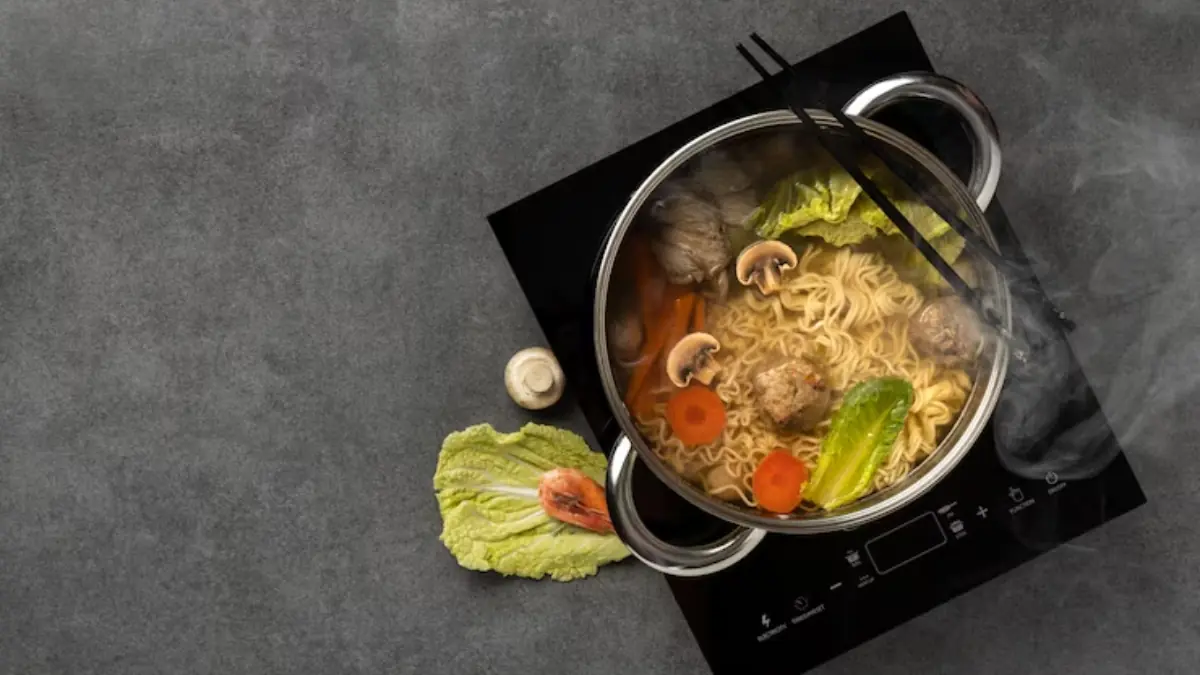
The top of the induction stove is sensitive and is usually made of glass. If you drag the cookware on the surface, you might scratch the surface or hamper the finishing of the induction cooktop. While this practice might not affect the taste of the food immediately, it will surely scratch the surface of the cooktop, leading to uneven heating. So be gentle and always lift the utensils off the cooktop, place them on your kitchen counter, and then serve the dishes.
Using Too Much Oil Or Water
Unlike a gas stove, an induction cooktop can retain moisture since it doesn’t have the rising heat of the flame. So, while cooking on induction, use a little less water or oil than you regularly add while preparing food on the gas stove. If you use the same amount of fluids, the sabzis can become soggy, and the gravies will remain runny. Also, check the doneness a little earlier than what you usually get while cooking over the flame.
Not Using The Timer
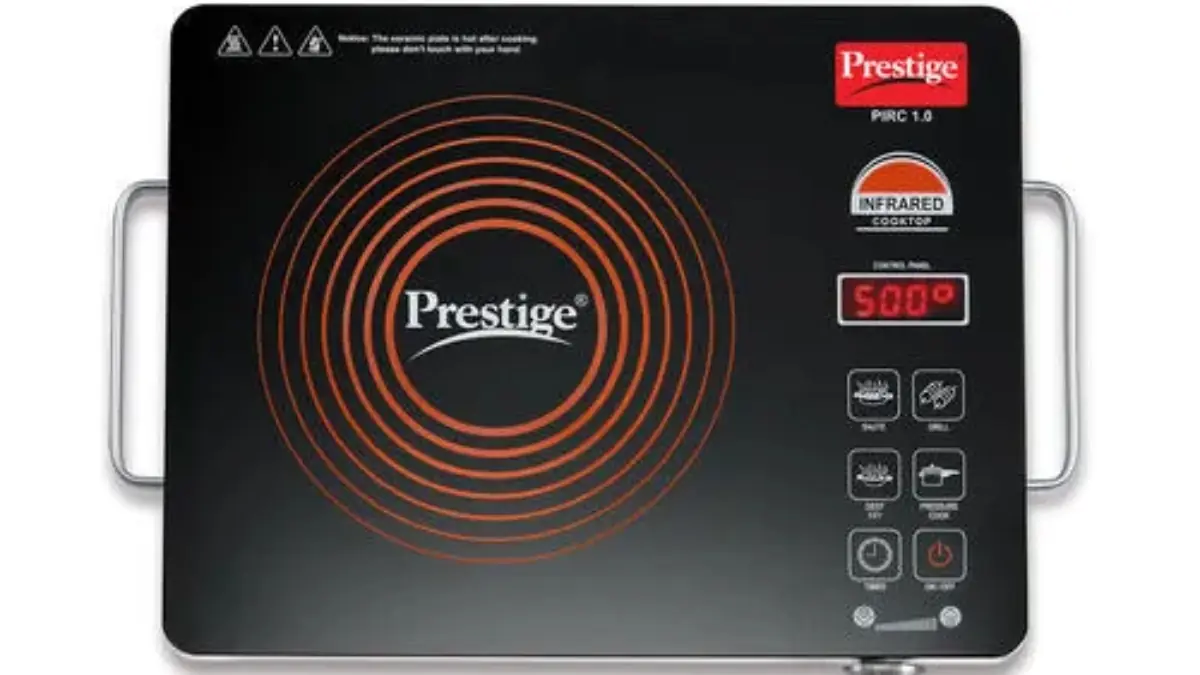
The timer is one of the best functionalities of an induction stove. With the built-in timer, you can choose not to stand in the kitchen and forget about keeping a count of the pressure cooker whistles. All you need to do while simmering a sabzi or curry or even boiling milk, set the temperature and timer, and the stove will turn off on its own. Even though it might take you some time to get the precise cooking time on an induction cooktop, the modern appliance will help you cook seamlessly and stress-free.
Not Cleaning Instantly
No matter what you’re cooking, a few spills and splashes are inevitable, and you shouldn’t have to be stressed about them. All that’s required when cooking on an induction cooktop is to clean the surface once it cools down. Also, note that since the surface is made of glass or ceramic, it is always prone to scratches. So, make sure that you don’t use abrasive tools or cleaners. Stick to soft towels or sponges to clean the surface. As a thumb rule, ensure that you avoid using steel wool at all times and instead make the most of natural cleaners like baking soda and vinegar.