5 Irresistible Modak Varieties To Try This Ganesh Chaturthi
5 Irresistible Modak Varieties To Try This Ganesh Chaturthi


Food has always played an important role in Ganesh Chaturthi, and modak has a special place on the festive table. Known as the sweet most loved by Lord Ganesha, modak is offered during prayers and shared with family. Across India, different versions of modak are seen and each carries unique flavours, textures, and preparation methods. This article explains five popular varieties, their cultural significance and the way they are usually made at home.
Ganesh Chaturthi is celebrated with devotion in many parts of India, especially in Maharashtra, Goa, and Karnataka observing the festival on a very large scale. Food is central to the rituals of the celebration, and modak is the sweet that is non-negotiable. The offering of twenty-one modaks to Lord Ganesha is considered auspicious in many households, as it symbolises prosperity and blessings. While the traditional form of steamed modak continues to be the main preparation, the sweet has taken on many regional adaptations and contemporary forms. These versions make use of local ingredients such as rice flour, wheat flour, coconut, jaggery, milk solids, dry fruits, saffron, and even chocolate in recent years. These varieties allow one to understand not only the diversity of Indian sweets but also how festivals adapt to the tastes and preferences of different generations.
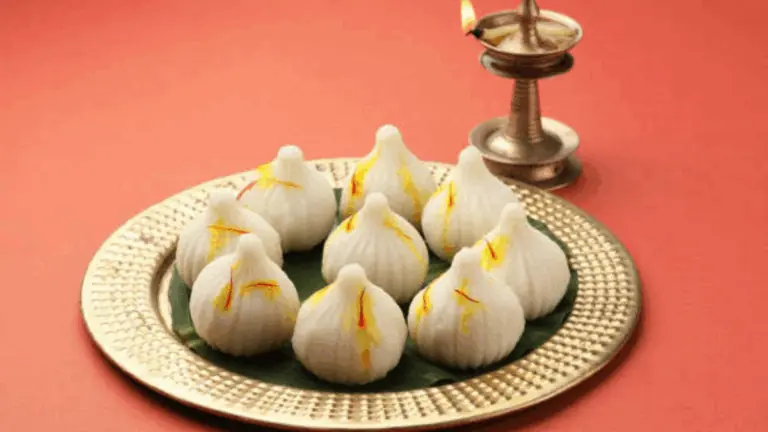
1. Ukadiche Modak
Ukadiche modak is the most well-known version, prepared mostly in Maharashtra. The word “ukadiche” means “steamed,” and this defines its cooking process. The outer layer is made from rice flour, which is boiled in water with a touch of ghee until it forms a smooth dough. Making this dough requires care, as it should be pliable but not sticky. Once the dough is ready, small balls are shaped by hand, and the filling is placed inside before sealing the dumpling in the traditional pointed form. The filling is the heart of the modak. It is made using freshly grated coconut cooked with jaggery until it binds together. Cardamom is added for flavour, and some households also include chopped cashews or raisins. The filled dumplings are placed in a steamer, usually lined with banana leaves or muslin cloth, and steamed until the covering turns soft and slightly translucent. A spoonful of ghee drizzled on top before serving enhances the taste. Preparing ukadiche modak is often a family activity, with older members guiding the younger ones on how to shape and seal the dumplings without cracks. In many Maharashtrian homes, the offering of these modaks to Lord Ganesha is the central ritual of the festival.
2. Fried Modak
Fried modaks are another popular choice during Ganesh Chaturthi. Instead of rice flour, the outer layer is prepared with wheat flour or refined flour, kneaded with ghee to make it crisp after frying. The filling remains similar to the steamed version, using coconut and jaggery as the base, although some families add roasted semolina or khoya for extra richness. Once filled, the dumplings are sealed carefully and deep-fried in hot oil or ghee until they become golden brown.
This version is favoured in many households because it keeps well for a few days and does not spoil easily, unlike the steamed modaks which are best eaten fresh. The crisp exterior contrasts with the sweet filling inside, creating a satisfying texture. Fried modaks are also convenient when families prepare prasad in larger quantities for distribution among neighbours and guests. In regions such as Gujarat and parts of South India, similar deep-fried sweets are already part of festive cooking, which makes fried modak a natural extension of the tradition.
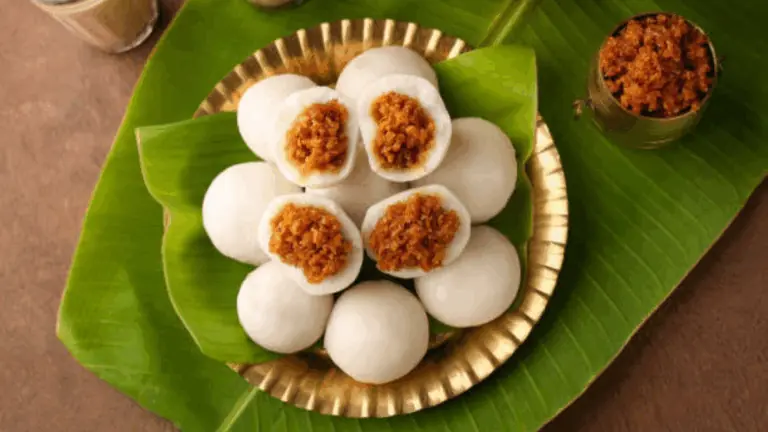
3. Dry Fruit Modak
Dry fruit modak is a variety that has gained popularity among families looking for a nutritious alternative. This modak is prepared without flour, steaming, or frying. Instead, it relies on ingredients such as dates, figs, cashews, almonds, walnuts, and pistachios. The dry fruits are chopped or ground, roasted lightly in ghee, and then shaped into modaks using moulds. Dates provide natural sweetness, which means refined sugar or jaggery is often not required. These modaks are dense in nutrients and energy, which makes them suitable for those observing fasts during the festival. They are also chosen by families who want to prepare a healthier prasad that balances tradition with modern dietary concerns. Dry fruit modaks are easy to transport and store, which has made them a common festive gift. In many urban households, this version has become just as popular as the traditional one because of its convenience and health benefits.
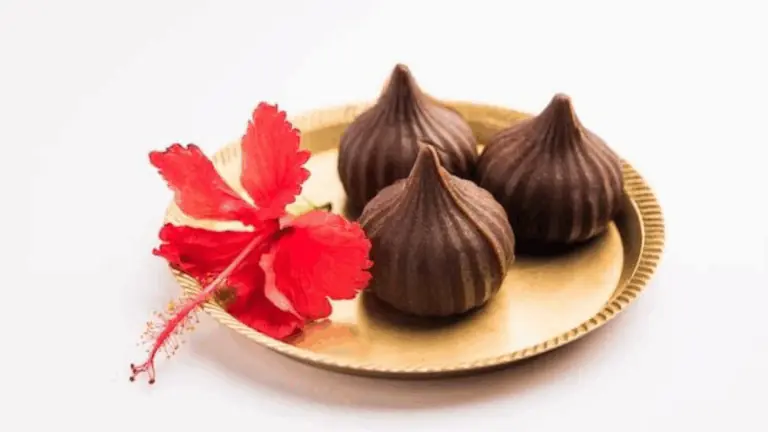
4. Chocolate Modak
Chocolate modak represents how traditional recipes can adapt to contemporary tastes. This version is especially loved by children and younger family members, who enjoy the familiar flavour of chocolate during the festival. The base is usually made from mawa or milk solids, which are mixed with cocoa powder or melted chocolate. Sugar is added to taste, and the mixture is shaped into modaks using moulds. Some families also include crushed nuts in the filling for extra texture. Chocolate modaks do not require steaming or frying, which makes them easy to prepare quickly. They are usually set in moulds and refrigerated for a short time to hold their shape. While this variety is not traditional, it has found a place on festive thalis because it allows families to keep children engaged with the rituals. Many sweet shops also sell chocolate modaks during the season, reflecting the way modern tastes have blended into long-standing customs.
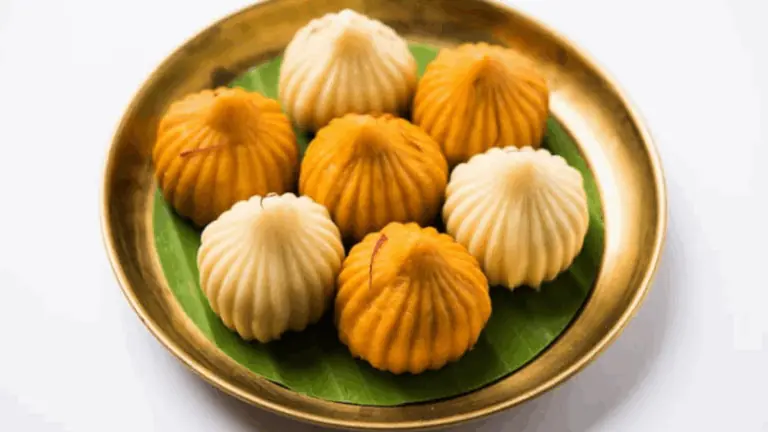
5. Kesari Modak
Kesari modak is another rich version that carries a strong festive flavour. The base is usually khoya, milk powder, or condensed milk, cooked on a low flame until it thickens enough to be shaped. Saffron strands soaked in warm milk are added, which gives the sweet a golden colour and distinct aroma. Cardamom powder complements the saffron, while chopped nuts may be included for added richness. The mixture is shaped into modaks using moulds, and sometimes a small filling of coconut or dry fruit is added in the centre. This variety is popular in households that enjoy khoya-based sweets such as peda and barfi. Kesari modak adds colour to the festive spread and pairs well with other offerings. The use of saffron also gives it a symbolic value, as saffron is often associated with purity and auspiciousness in Indian rituals.


