Non-Stick Vs Cast Iron Tawa For Dosa: How To Choose The Right Cookware
Non-Stick Vs Cast Iron Tawa For Dosa: How To Choose The Right Cookware
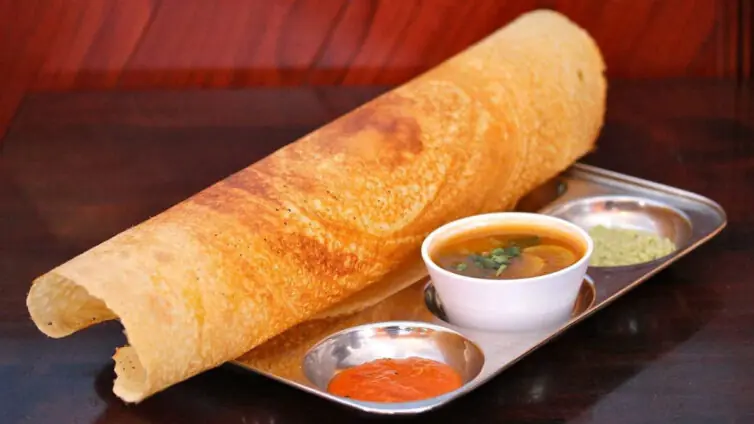


While choosing the right tawa for making crispy dosas, a home cook is often faced with the non stick vs iron tawa conundrum. However, depending upon usage and cooking technique, one can actually infer which tawa works best for a home cook in the making of crispy, perfectly-cooked dosas.
Trying to pick out a tawa for dosa but wondering whether to opt for a non stick one or an iron pan? Home cooks are often faced with this dilemma while choosing the right tawa for making crispy, authentic dosas. Because a good dosa, along with the right fermentation on the batter, also requires a good tawa. Whether it is a crispy thin, wafer-like dosa you prefer, or a fluffy and soft ghee roast that you opt for, the right tawa can make all the difference between a tasty dosa and a flat one. This non stick vs iron tawa debate is then more about the kind of cooking technique, style and experience that guides your dosa-making endeavours. Evidently, choosing between the two depends on multiple factors.
Non Stick Tawa: Beginner Friendly And Convenient
First things first, it is essential to understand the utility difference between a non stick and an iron tawa in order to determine which tawa for dosa is most suitable in your home kitchen. A non stick tawa comes with a thin coating which generally prevents any batter or slurry from sticking to its surface. This makes it an exceedingly easy cookware to use for making dosas, rotis and pancakes, especially if you are a beginner.
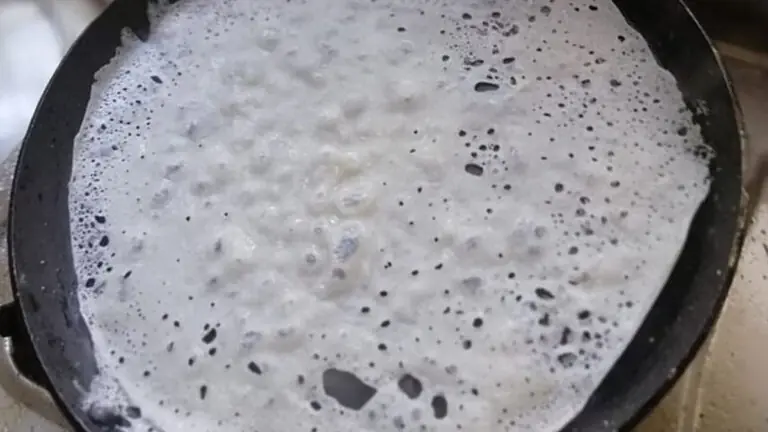
The dosa batter will spread smoothly across the non stick tawa, in a thin circular shape that is bound to yield a crispy dosa. Multiple dosas can be made one after the other, while maintaining consistent heating on the pan, with very little effort. Moreover, a non stick tawa for dosa also means that less oil is required for preparation so it cuts down on any excess oil consumption. This is most preferable for those looking to make lighter, nourishing meals. As well, since batter seldom sticks to the non stick dosa, it is also very easy to clean. When cleaning becomes fast and simple, opting for this tawa for dosa becomes a conscious choice.
Cast Iron Tawa: Traditional And Flavourful
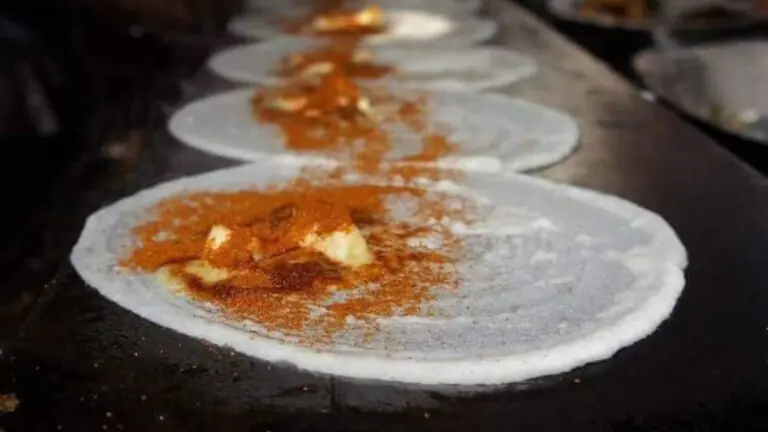
For years, home cooks have been swearing by cast iron tawas as the best surface for making crispy, wafer-thin dosas. That’s because cast-iron pans, when seasoned right, have the potential to craft restaurant-quality pancakes that brim with authentic southern Indian flavours. This is the result of consistent, even heating which is perfect for cooking dozens of dosas in quick succession.
Upon preheating the cast iron tawa, it retains and maintains heat very uniformly, so it is ready to quickly make dosas. This increases speed and efficiency in the kitchen. That’s why many traditional home cooks continue to work with this ultra durable tawa for dosa preparation through the years.
Non Stick Vs Iron Tawa: Understanding Limitations
However choosing a tawa for dosa means weighing both, the pros and cons of each option available. While non stick is good enough for those just starting out on their culinary journeys, it is important to consider that dosas might retain more moisture on this apparatus, which can effectively affect their overall crispiness. Additionally, the life of this tawa on your kitchen shelf is limited, especially when it is used regularly but the clean-up is left neglected. Once the coating comes off, the tawa itself cannot be used to its fullest capacity.
On the other hand, the cast iron tawa comes with its own challenges. It requires proper seasoning before it can be used. This means an acute understanding of culinary techniques that a beginner might find difficult to manoeuvre. More significantly, dosa batter can stick unabashedly to the surface of the cast iron tawa if it is seasoned improperly. Making soft, perfectly-cooked dosas also becomes a challenge during such moments, let alone preparing the extra crispy paper dosa you prefer. As well, this tawa for dosa is quite heavy to handle so lifting it up and setting it on the gas stove can be a challenge in a small, modular kitchen.
Non Stick Vs Iron Tawa: Making The Choice
So, as the debate ensues between non stick vs iron tawa, how does a home cook make the right choice? Quick, hassle-free cooking, easy cleaning and a beginner-friendly inclination all point towards the non stick tawa as the most obvious choice. It is also a good option for those who make dosas only once in a while. Some tips can come in quite handy to make crispy dosas on this tawa.
– Keep tawa on medium flame for even heat distribution and temperature control.
– Avoid metal spatulas as they can severely affect the non stick layer on the pan.
– Monitor the temperature of the pan and prevent it from overheating as this can affect the dosa’s texture.
For its part, the cast iron tawa is essentially meant for expert home cooks who prepare dosas on a regular basis. Crispy, authentic dosas can be made with ease by anyone who is comfortable maintaining this type of tawa and seasoning it with a thin layer of oil before every cook. Use the cast iron tawa for dosa by following some advanced home cooking tips.
– Season the tawa most diligently before each use to prepare crispy dosas that come off easily.
– Control the temperature on the tawa. It has to be hot, yet not so much that the dosa batter sticks to the bottom of the pan.
– Lightly grease the tawa before pouring batter each time to ensure it crispens without losing out on its flavour and lightness.
Finally, remember that there is no one-size-fits-all when it comes to picking out the right tawa for dosa. Choose as per your comfort and the time available for cooking. Where a non stick tawa is perfect for quick breakfast dosas, it is the cast iron pan that will provide the leisurely comfort of gorging on delicious, thin and crispy dosas at a slow weekend breakfast.