How To Make Perfect Idli And Dosa Batter Using A Mixer Grinder
How To Make Perfect Idli And Dosa Batter Using A Mixer Grinder
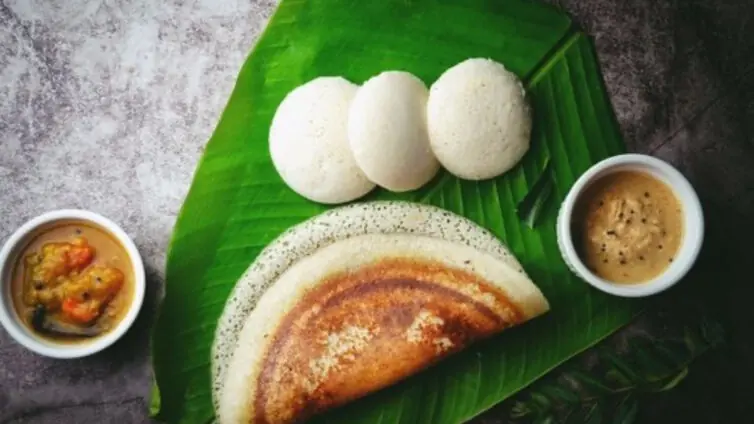


The creation of light and airy breakfast staples in South India relies heavily on the quality of the fermentation process. Achieving the ideal texture for these dishes requires precise ratios of rice to lentils and careful temperature management during the grinding stage. Modern kitchen tools now allow home cooks to replicate traditional stone-ground results with speed and efficiency.
There is something very special about the smell of a South Indian kitchen in the early morning. It starts with the soft sound of a pressure cooker and the gentle steam rising from a hot pot. For many people, a breakfast of soft idlis or a crispy dosa is the best way to start the day. In the old days, our grandmothers used large stone grinders to make the batter. It took a lot of time and a lot of physical strength to get the right consistency. Now, most of us live in busy modern homes and use a mixer grinder to do the work. It is much faster, but it can be tricky to get the same fluffy results. You want a batter that is light and full of tiny bubbles. It needs to be thick enough for steaming but smooth enough to spread on a flat pan. Achieving this balance at home is a point of pride for any food lover. It requires a bit of patience and a few simple tricks to keep the grains cool and the fermentation active.
Selecting The Best Grains
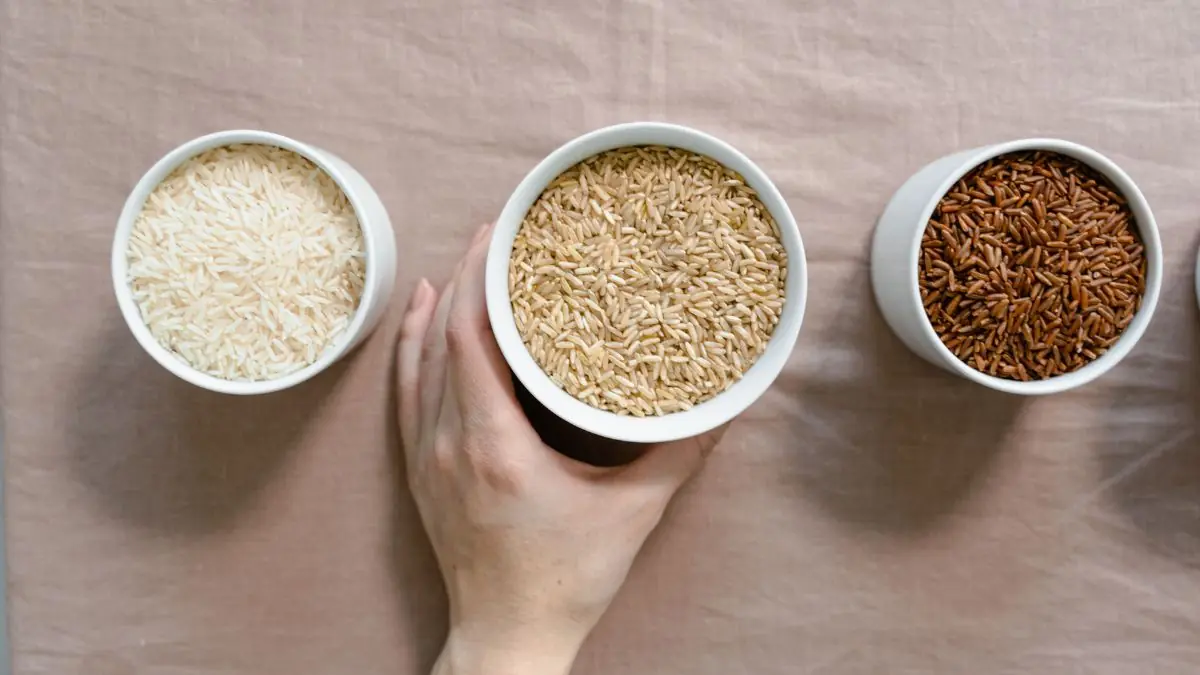
The first step to a great dosa batter is choosing the right ingredients from the store. Most people use a mix of parboiled rice and whole white urad dal for the best results. The ratio is very important because it decides the final texture of the food. Usually, four parts of rice to one part of dal works well for a general purpose mix. You can also add a small spoonful of fenugreek seeds to the water. These seeds help with the golden brown colour and the fermentation process. Using high-quality grains makes a big difference in how the food tastes. You can find detailed guides on traditional breakfast ingredients to help you choose the best variety of rice for your home.
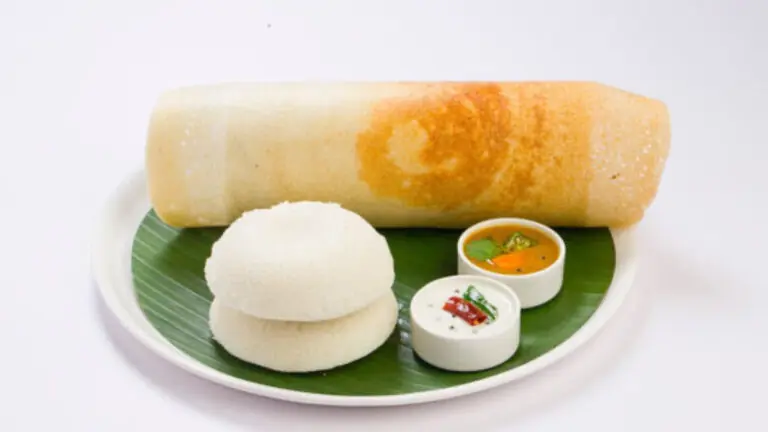
The Importance Of Soaking
Proper soaking is the secret to getting a smooth grind every single time. You should wash the rice and the dal separately until the water runs completely clear. Then, soak them in plenty of fresh water for at least six hours. Some people prefer to soak them overnight to make sure they are soft. The grains need to absorb enough moisture so they become easy to break. This makes it much easier for your machine to turn them into a fine paste. If the grains are still hard in the middle, the motor will struggle and get too hot. You can learn more about soaking times for grains to ensure your ingredients are always ready for the next step.
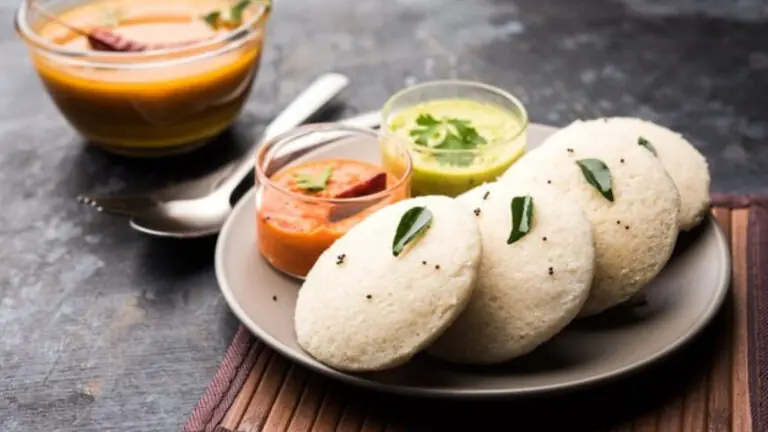
Cooling The Mixer Grinder
The biggest challenge with a high speed mixer grinder is the heat it produces during the process. High temperatures can cook the proteins in the dal, which stops the batter from rising properly. To prevent this, you should always use ice cold water while you are grinding the grains. Only add a little bit of water at a time to keep the mixture thick and creamy. It is also a good idea to grind in short pulses rather than running the machine for a long time. This keeps the temperature low and protects the natural yeast in the food. A heavy duty mixer grinder with a powerful motor is usually best for handling thick rice paste without any trouble.
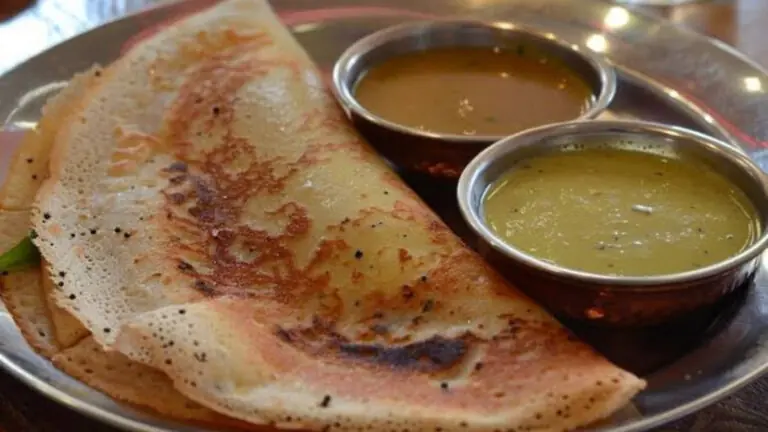
Achieving The Perfect Texture
The texture of the rice and the dal should be slightly different when you are finished. The urad dal should be ground until it is very fluffy and completely smooth like a white cloud. The rice can be ground to a slightly coarse texture that feels like very fine sand. This gives the idlis a nice structure and makes the dosa extra crispy on the edges. Once both parts are ready, mix them together in a large pot using your clean hands. The warmth from your body helps start the fermentation process in a natural way. For more tips on perfecting your batter, you can follow a step by step guide to get the right feel.
Managing The Fermentation Stage
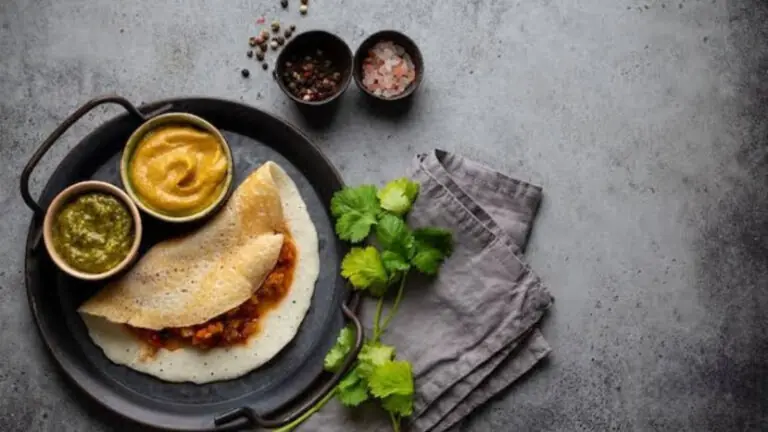
Fermentation is the part where the magic happens in your kitchen. Place the pot in a warm spot and leave it alone for eight to twelve hours. In cold weather, you might need to wrap the pot in a thick cloth to keep it cozy. The batter is ready when it has doubled in size and has a pleasant sour smell. Do not add any salt before the fermentation is finished, as it can slow down the growth of the bubbles. Once the mixture is light and airy, you can make healthy meals for your whole family. Keeping your kitchen tools clean will also ensure that your home cooking is always safe and delicious.
The Joy Of A Traditional Breakfast
Making your own dosa batter at home is a true labour of love. It takes time and attention, but the reward is a healthy and fresh meal for your loved ones. When you see the steam rising from the idli pot, you know the effort was worth it. Using a modern mixer grinder helps you keep these traditions alive even in a busy world. It is a way to stay connected to your roots while enjoying the best flavours. You can find more South Indian breakfast ideas to keep your mornings exciting and delicious. Every perfect bite is a small celebration of home cooking.