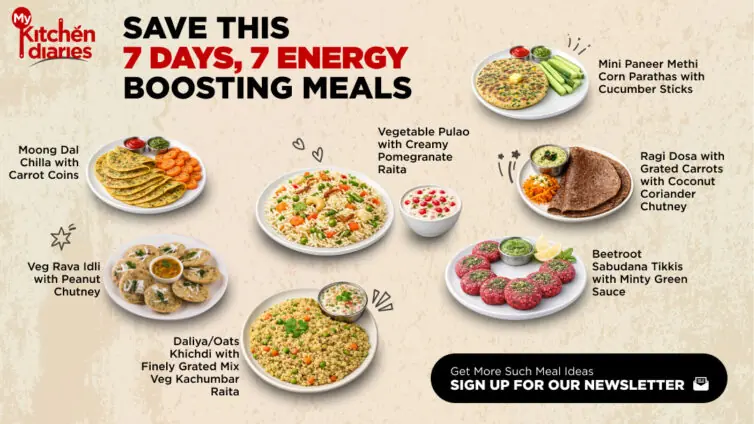
Save This: 7 Days, 7 Energy Boosting Meals
Save This: 7 Days, 7 Energy Boosting Meals


Who said healthy food needs to be boring? To boost your energy levels without sacrificing taste, here are some traditional Indian options that are easy to make, are nutritionally balanced, and can perfectly fit into your weekly diet.
Everyone has slow weeks with sluggish afternoons, the slump after having lunch, and the brain fog that no amount of chai seems to fix. While you might think it could be because of the work stress, an underlying reason that often gets little attention is your diet. What you eat decides your energy levels for the day.
And just out of habit or convenience, a lot of people eat out. Not knowing the ingredients or choosing foods that are high in salt, artificial colours, and preservatives can lead to energy crashes more often than you realise. So, what can be done if you’re too busy to cook on weekdays? Well, the answer is simple: just bookmark these seven meal ideas, each for every day of the week, that can help boost your energy levels.
Day 1: Moong Dal Chilla with Carrot Coins
The humble chilla is one of the best ways to start your day. The recipe your grandmother must swear by, moong dal chillas are high in protein, crispy, and can be paired with a bowl of yoghurt and served with a spicy chutney. It is light on the stomach and provides slow-burning energy to keep your hunger at bay until lunchtime. The only thing missing, aka fibre, can be added with a side of sliced carrot coins, thus making your plate perfectly balanced.
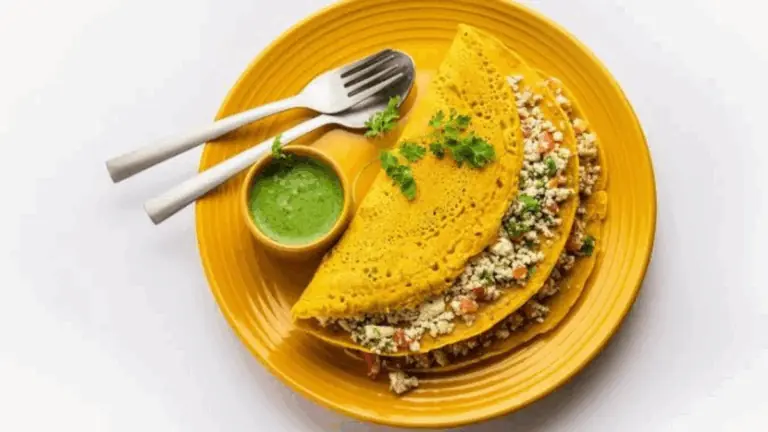
Cooking Tip: Soak moong dal overnight for a fluffier batter. Add some ginger to the batter to combat morning digestion.
Day 2: Veg Rava Idli with Peanut Chutney
Don’t have the time for pre-soaking and fermenting the batter? No problem! You can still enjoy an instant South Indian meal made with suji, aka semolina. With added vegetables like carrots, peas, capsicum, and onion, the idlis become a complete and energising meal. Also, since suji is a complex carbohydrate, the rava idlis will give you sustained energy without the spike and crash. Pair it with a peanut chutney made in a mixer grinder and add a protein punch on the side.
Cooking Tip: Always use thick curd to make the batter. The trick to fluffy idlis is a little resting time. You can let the batter rest while you grease the idli moulds and make the peanut chutney.
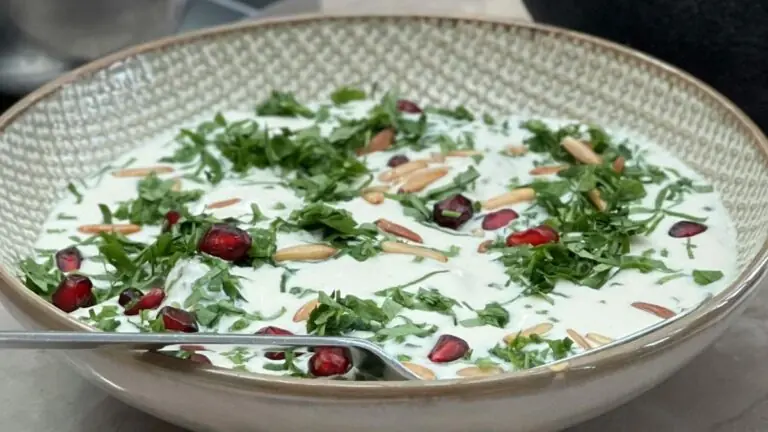
Day 3: Vegetable Pulao with Creamy Pomegranate Raita
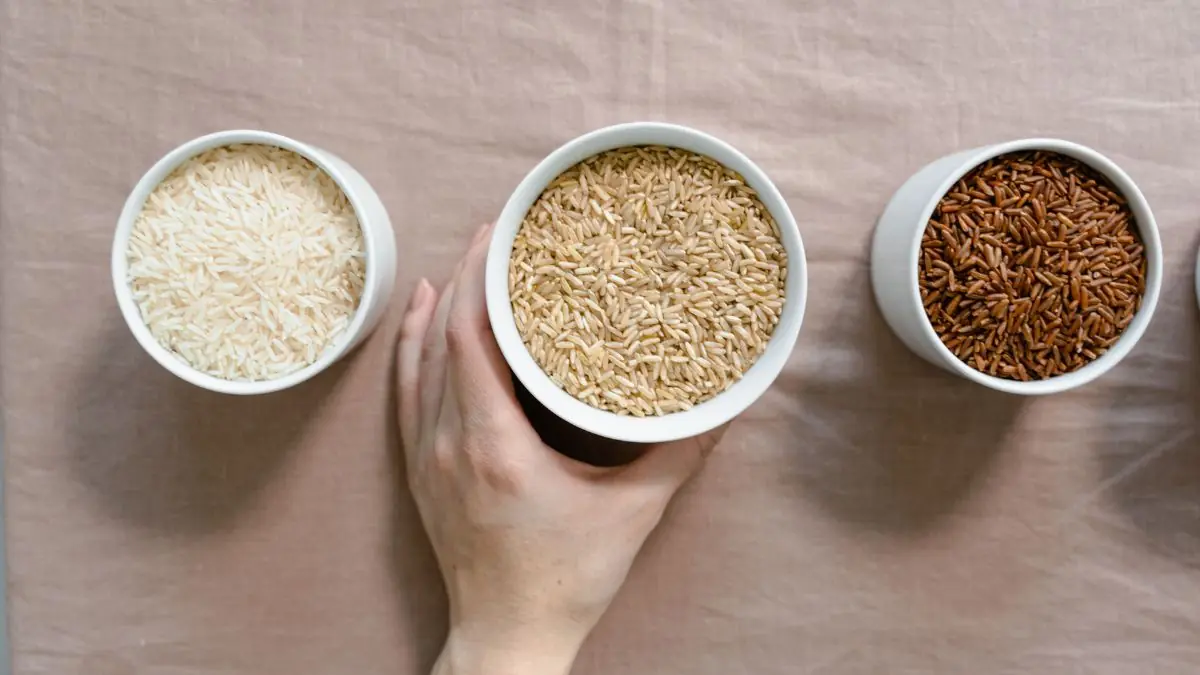
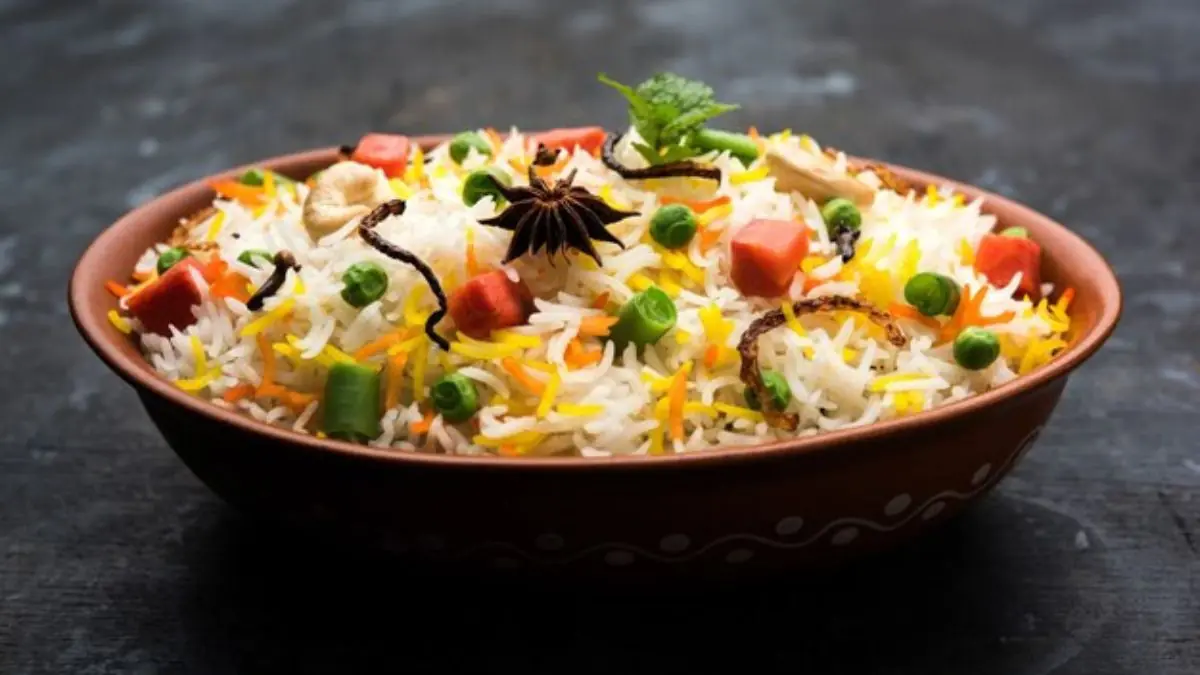
By the time you reach the middle of the week, you’re exhausted, already counting days to the weekend. On such days, you can make a one-pot vegetable pulao. Without much effort, you can simply add the spices, rinsed long-grain rice, and assorted veggies like peas, paneer, soya chunks, onion, potatoes, cauliflower, carrots, etc to a pressure cooker and cook for ten to fifteen minutes. Pair the pulao with a pomegranate-based raita, and your highly nutritious meal will be ready in under half an hour.
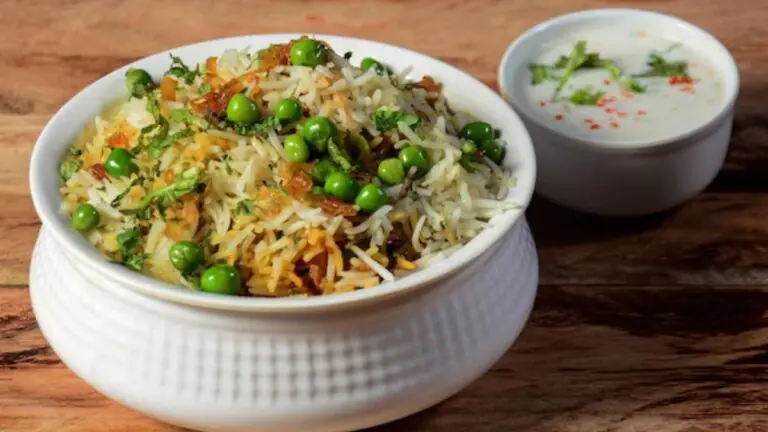
Cooking Tip: After rinsing the rice, soak it for about half an hour, and you’ll get a fluffy serving of pulao.
Day 4: Mini Paneer Methi Corn Parathas with Cucumber Sticks
Methi, also known as fenugreek, is a medicinal herb that has a rich Ayurvedic history. With immense health benefits, it is an impeccable add-on to your parathas. All you need to do is boil some corn kernels, chop methi leaves, and knead smooth dough with whole wheat flour. To make the dough healthier, you use multigrain or millet-based flour as well. Then cook the parathas till crispy and serve with cucumber sticks. Your plate will then be a great fix for sunny summer days with the 95% content of water in cucumbers and ghee-cooked parathas.
Cooking Tip: Opt for fresh methi instead of dried fenugreek leaves to get the maximum nutrition.
Day 5: Ragi Dosa with Grated Carrots and Coconut Coriander Chutney
Ragi, or finger millet, is one of the most underutilised superfoods in the modern Indian kitchen. Packed with calcium and fibre, ragi also has a low glycemic index, making it ideal for people with diabetes and athletes looking for an energy-boosting meal. Starting your day with a gluten-free, crispy ragi dosa with some grated carrots to add an extra element of freshness, and a coconut coriander chutney will be the right fuel to keep you sustained.
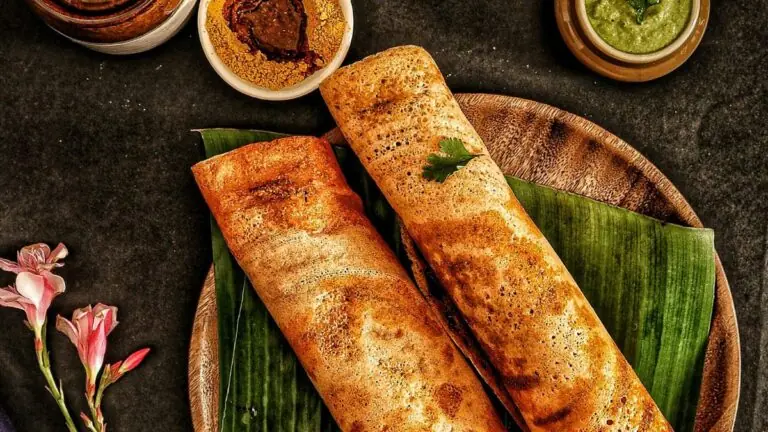
Cooking Tip: Ferment the ragi batter overnight to get a crispy dosa and also save prepping time in the morning.
Day 6: Beetroot Sabudana Tikkis with Minty Green Sauce
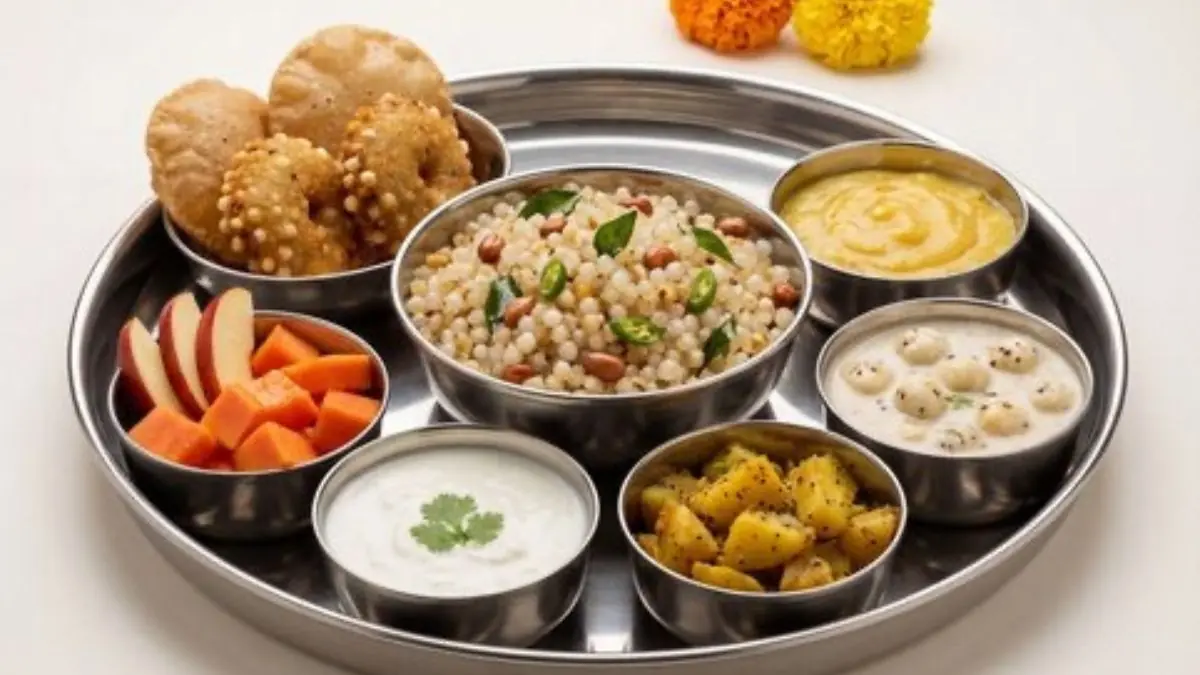
And then comes the weekend! Keeping your meal crispy, visually aesthetic, and yet healthy, try making beetroot sabudana tikkis. Prepare the mixture with soaked sabudana, mashed potatoes, grated beetroot, crushed peanuts, and the go-to spices. Pan-fry or air-fry the tikkis to minimise the use of oil. With carb-rich sabudana and iron-rich beetroots, these crunchy tikkis will be a hit. Quickly pair it with a minty green sauce and enhance your metabolism and the overall flavour of the meal.
Cooking Tip: Soak the sabudana for at least four hours. Remember that each tapioca pearl should be soft, but not mushy.
Day 7: Daliya/Oats Khichdi with Finely Grated Mix Veg Kachumbar Raita
Finally, you land on Sunday, the best day to give your stomach a little rest and prepare for the next week. And the perfect option for that will be daliya khichdi. The one-pot meal is filled with assorted vegetables and also cooks quickly, cutting down your kitchen time on a Sunday. Also, the high-fibre content of oats and the goodness of split lentils make khichdi a true healing meal. To pair with a refreshing bowl, make a mix veg kachumber raita with grated cucumber, tomato, and carrot, and further enhance the nutritional value of your plate.
Cooking Tip: While making the raita, squeeze out the excess water from the grated cucumber and chopped tomatoes, else the raita will be too watery.