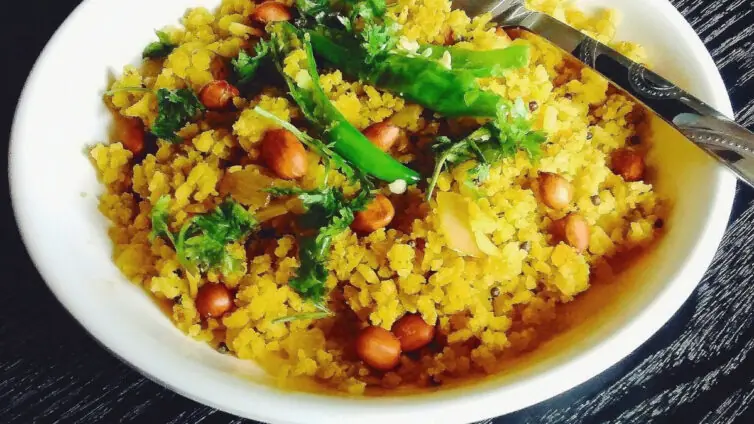
Poha, in the Malwa region of Madhya Pradesh, which is located in and around Ujjain and Indore, is a lightly fried variant is a staple morning food. Depending on the amount of water added, it can be reconstituted with hot water to create a paste or porridge. Flattened rice is also consumed raw in villages, particularly in Chhattisgarh. It is mixed with jaggery. The country’s most well-known Indori poha is served with a crunchy snack called sev. Well, poha is a versatile dish. You can make it in several ways to suit your flavours.
Raw poha is prepared after flattening rice, and the dish, called poha again, is prepared differently in different regions of the country. Flattened rice is a breakfast staple across South Asia, also and is known by various names such as pauwa, avalakki, chivda or aval. Irrespective of the region, it is the ease and convenience that make poha popular all over the country.
The trick to preparing soft poha is rinsing the poha in a strainer and leaving it til
Poha, in the Malwa region of Madhya Pradesh, which is located in and around Ujjain and Indore, is a lightly fried variant is a staple morning food. Depending on the amount of water added, it can be reconstituted with hot water to create a paste or porridge. Flattened rice is also consumed raw in villages, particularly in Chhattisgarh. It is mixed with jaggery. The country’s most well-known Indori poha is served with a crunchy snack called sev. Well, poha is a versatile dish. You can make it in several ways to suit your flavours.
Raw poha is prepared after flattening rice, and the dish, called poha again, is prepared differently in different regions of the country. Flattened rice is a breakfast staple across South Asia, also and is known by various names such as pauwa, avalakki, chivda or aval. Irrespective of the region, it is the ease and convenience that make poha popular all over the country.
The trick to preparing soft poha is rinsing the poha in a strainer and leaving it till it is put into the pan. You will know if the raw poha is ready for the pan when you take a flake and press it between your forefinger and thumb, and it breaks easily. Here are a few dos and don’ts that you can keep in mind while using this poha recipe.
Read More