Pressure Cooker Care 101: Gasket, Valve & Lid Maintenance
Pressure Cooker Care 101: Gasket, Valve & Lid Maintenance
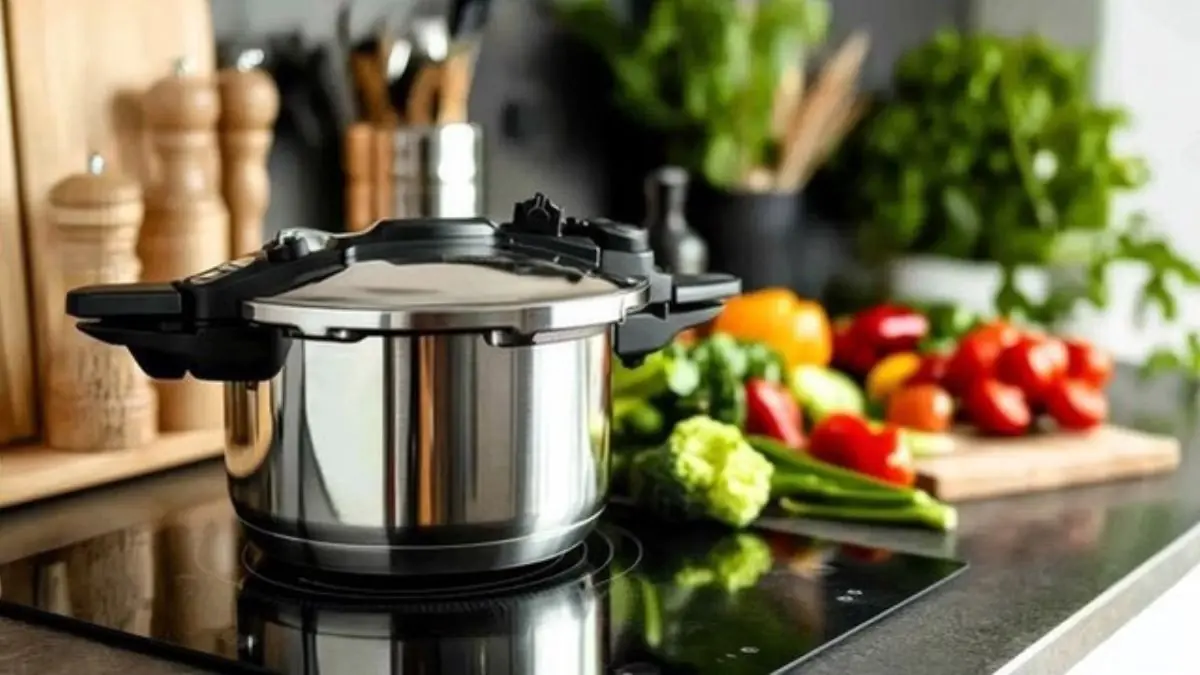


Maintaining a pressure cooker involves simple daily habits that keep the gasket, valves, and lid in perfect working condition. This guide provides practical steps for Indian home cooks to ensure their kitchen workhorse remains safe and efficient for every meal.
In almost every Indian household, the day begins with the familiar sound of a pressure cooker whistle. This appliance is much more than just a pot; it is a fast and faithful friend that helps prepare everything from soft morning idlis to the evening dal and rice. Because it is used so often, sometimes twice or thrice a day, it goes through a lot of wear and tear. A cook relies on it to save time and fuel, especially during the morning rush when school tiffins and office lunches must be ready on time. However, because this tool works using high steam pressure, it needs a little bit of regular care to stay safe and work correctly.
Taking care of a pressure cooker does not require special tools or expert knowledge. It only needs a few minutes of attention after each use. When a cook understands how the different parts like the rubber ring and the weight work together, the kitchen becomes a much safer and more efficient place. Regular maintenance ensures that the food is always cooked evenly and that there are no scary leaks or sudden bursts of steam. By following a few straightforward steps, any home cook can make sure their cooker stays in top shape for many years.
Caring For The Rubber Gasket
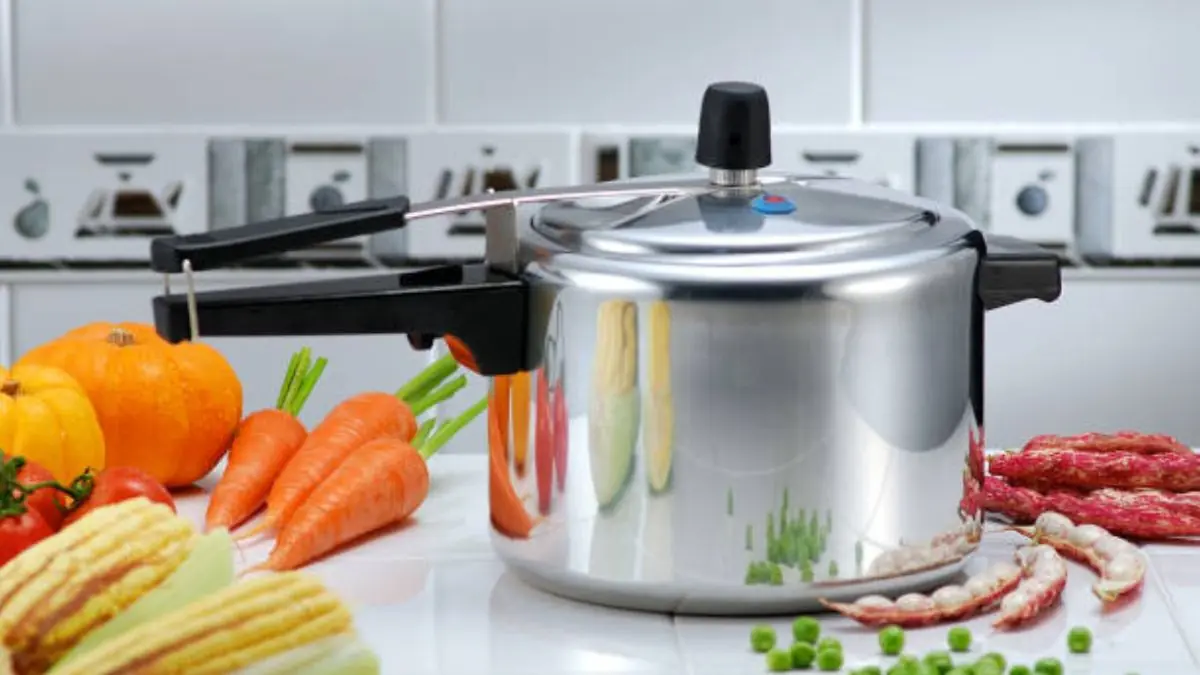
The thick rubber ring found inside the lid, known as the gasket, is what keeps the steam trapped inside the pot so the pressure can build up. Over time, the constant heat of the stove can make this rubber become hard, brittle, or too loose. If the gasket is not in good condition, steam will start leaking from the sides of the lid, and the whistle will not blow properly. To keep it working well, the cook should always remove the gasket from the lid after every wash. It is important to wash it with cool water and a mild soap to get rid of any food particles or oil that might be stuck in the grooves. One very helpful and organic trick used by many Indian mothers is to put the damp gasket in the refrigerator or even the freezer for a few minutes before cooking. This helps the rubber to tighten up and fit the lid perfectly. A cook should never use a knife or a sharp scrubber to clean the gasket because even a tiny scratch can cause a leak. If the gasket looks cracked or feels very stiff like plastic, it is time to buy a new one. It is always a good idea to keep a spare gasket at home so that a meal is never delayed because of a worn-out ring.
Cleaning The Vent Pipe And Whistle
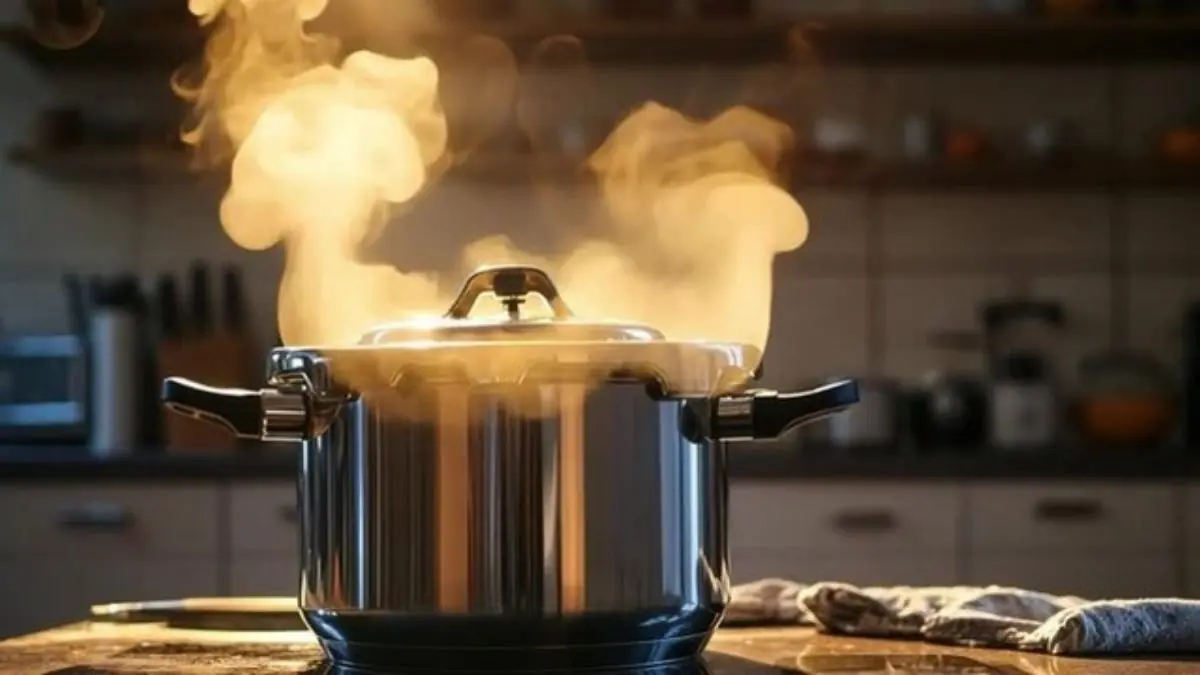
The weight on top of the lid, which everyone calls the whistle, is the most important part for letting out extra steam. Underneath this weight is a small tube called the vent pipe. In an Indian kitchen, where we cook a lot of lentils and starchy rice, it is very common for frothy food to bubble up and block this tube. If the vent pipe gets clogged, the steam has no way to escape, which can be quite dangerous. Therefore, the cook must make it a habit to check the vent pipe before every use. A simple way to do this is to hold the lid up to a window or a light and look through the hole. If the light can be seen clearly, the pipe is open. If it looks dark, a thin wire or a cleaning pin should be used to poke out any dried food. The whistle itself also needs a good wash to make sure no grease is making it stick to the pipe. It should be able to move up and down freely. After washing, the cook should ensure that the pipe is dry so that no salt or minerals from the water build up inside. This small check only takes a few seconds but ensures that the cooker works smoothly every single time.
Checking The Safety Valve And Lid Handles
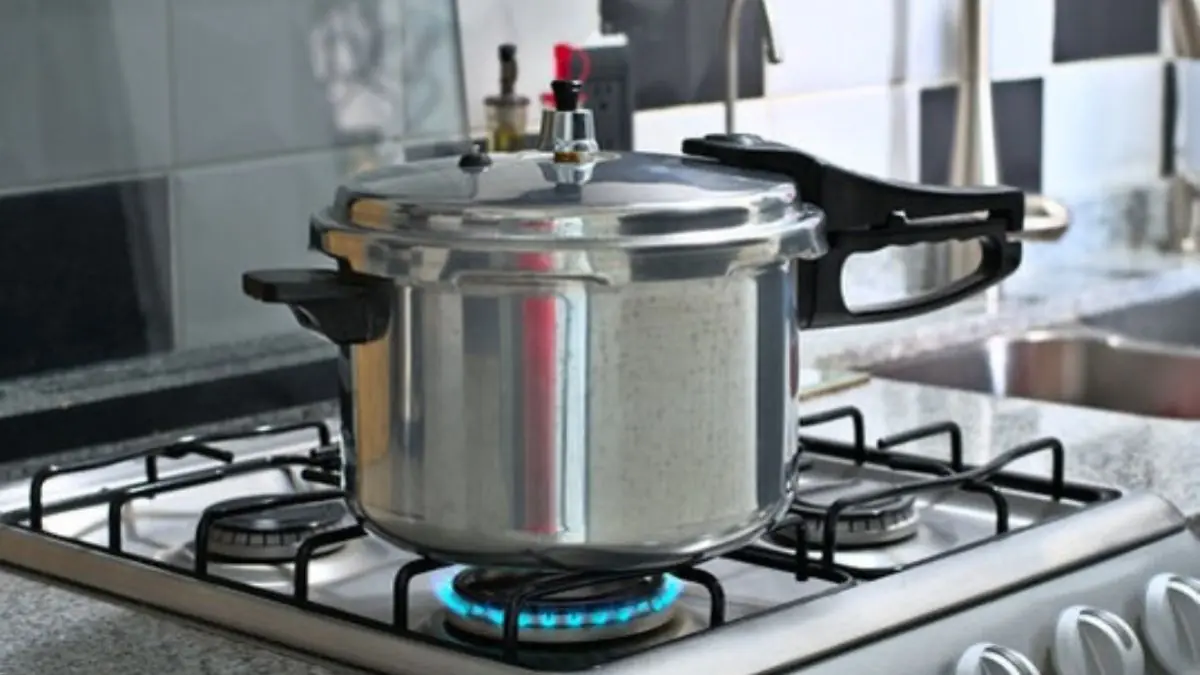
On every pressure cooker lid, there is a small metal plug called the safety valve. This part is designed to melt or pop out if the pressure inside the cooker becomes too high for the main whistle to handle. It is a silent protector that rarely gets noticed, but it must be kept clean. If it gets covered in layers of old grease or turmeric, it might not work when it is actually needed. The cook should look at the safety valve occasionally to make sure it is not loose or rusted. If it ever blows out, it should always be replaced with an original part from an authorised shop rather than a cheap local version. Along with the valve, the handles of the lid and the base also need attention. In many homes, handles become loose over time because of the constant lifting and moving. A loose handle can make the lid sit at a slight angle, which prevents a proper seal. Using a screwdriver to tighten the screws every few months keeps the cooker stable and easy to carry. It is also important not to bang the edges of the lid against the sink or steel pots, as this can change the shape of the metal and make the lid difficult to lock.
Proper Washing And Storage Habits
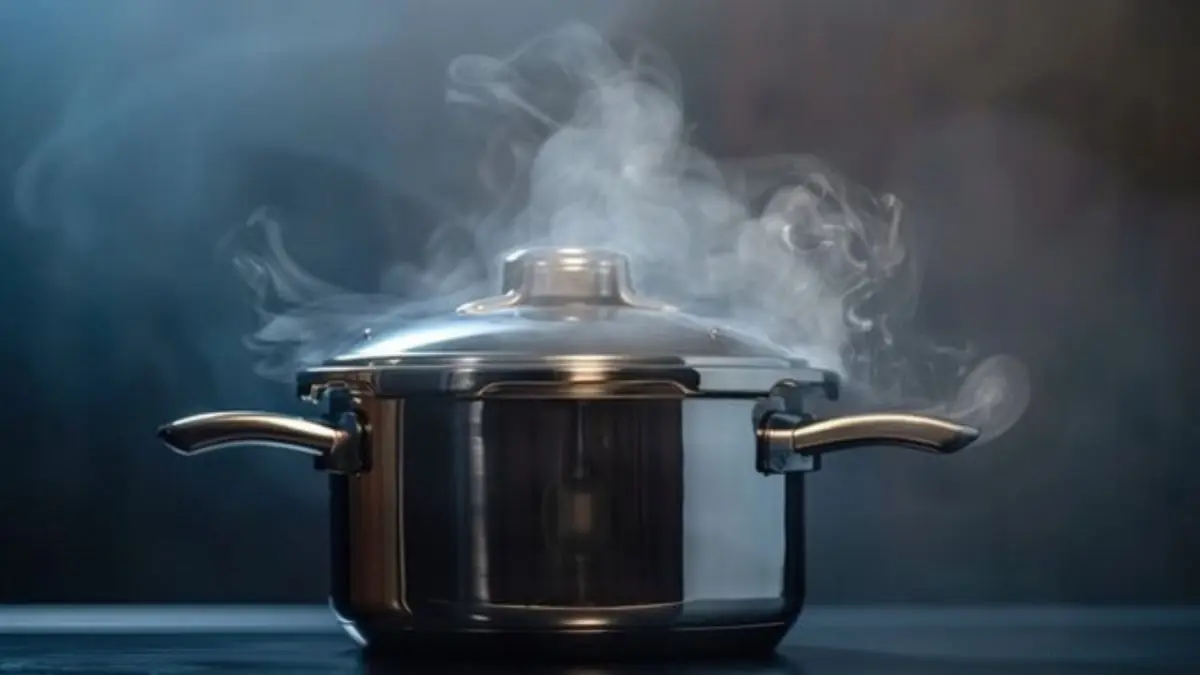
The way a cooker is washed and stored after a meal can greatly affect how long it lasts. It is best not to leave food, especially items with salt, tamarind, or tomatoes, inside the cooker for a long time after cooking is finished. The acids in these foods can cause small pits or dark spots to form on the aluminium or steel surface. After the meal, the cooker should be washed with warm water and a soft sponge. If there is burnt food stuck at the bottom, soaking it in warm water with a little bit of baking soda or lemon juice is better than scrubbing it hard with a metal wire. Once everything is clean and dry, the most important rule is how the cooker is stored in the cupboard. One should never store the cooker with the lid locked on tight. Closing the lid for long periods traps moisture and smells inside, and it also keeps the gasket under pressure, which makes it lose its shape faster. Instead, the lid should be placed upside down on top of the base. This allows the air to move freely and keeps the rubber ring relaxed and ready for the next day. By following these simple cleaning and storage routines, a cook ensures that their pressure cooker remains a safe and helpful part of the kitchen for a lifetime.