Mixer-Grinder Overheating? 5 Hacks To Prevent Motor Damage
Mixer-Grinder Overheating? 5 Hacks To Prevent Motor Damage
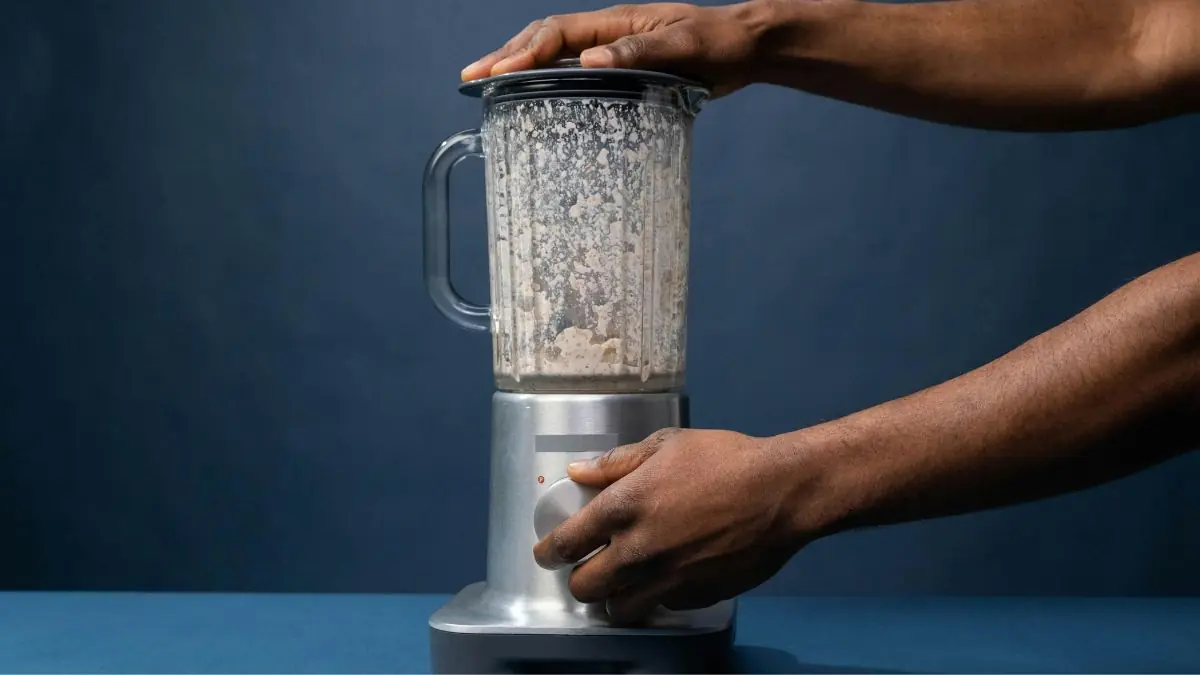


Prepping small, one-dish meals is the norm for the fellow college student or hosteler. Delicious food emerges from a miniature kitchen and an even smaller pantry where basic essentials make-up an entire world of culinary practice. When a handy mixer grinder thuds to a halt in this setting, it might as well be catastrophic. Prevent overheating and motor damage with some handy tips.
For the hosteler or college student, a mixer grinder is equivalent to a jewel in their miniature, makeshift kitchens. Sparsely stocked pantries with limited essential ingredients make-up their culinary world. In this zone, one simple apparatus, the mixer grinder, plays multiple roles. It is used to make chutneys and pastes, fruit juices and smoothies, milkshakes and masalas. As essential and well-worn a mixer grinder is, so too, it is increasingly susceptible to overheating. So, sometimes, when the mixer grinder reaches its electrical threshold, motor damage becomes a real concern. Because breakdown in the mixer grinder is more than just a minor inconvenience: it might well indicate that the culinary life of the hosteler has skidded to a halt. A mixer grinder which overheats regularly is basically sending out warning signs, and once these are spotted, following some handy hacks will take away motor stress and prevent long-term damage.
Why Does The Mixer Grinder Overheat?
Before going into the nitty gritties of preventing a mixer grinder burnout, it’s essential to dive into what makes the apparatus overheat in the first place. There could be multiple reasons for this occurrence. However, the underlying principle is that overheating happens when the mixer grinder is compelled to work harder than it is designed to. Since college-goers or hostelers generally have a basic mixer model, this is more likely to occur with grinders whose motors are designed for quick, short bursts.
Commonly, mixer grinders overheat when they are run continuously for a prolonged period, without breaks. Motors also overheat when they are expected to crush very dry or hard elements or are overloaded with ingredients. Dull blades or poor ventilation around the motor can also cause it to overwork.
Tips To Prevent Overheating
Now that it’s evident that certain basic usage-related or mechanics-related reasons make mixer grinders heat too much, there are some tips which can be followed as a preventative measure that reduces the risk of damage to the mixer’s motor.
Tip 1: Follow The ‘30 Second’ Rule
This is a simple hack which involves running the mixer for short bursts of 15-30 seconds. Then, the mixer is allowed to rest for a couple of minutes which gives it time to cool down. Domestic mixers are so designed that they work in short, high-power bursts. The motor generates heat rapidly which increases the risk of overheating. That’s why short bursts with breaks in between allow the internal components of the mixer to cool down without generating too much thermal thrust. So, hostelers grinding dosa batters can do well to split the grinding into two batches, instead of doing one continuous run.
Tip 2: Adhere To Jar Capacity
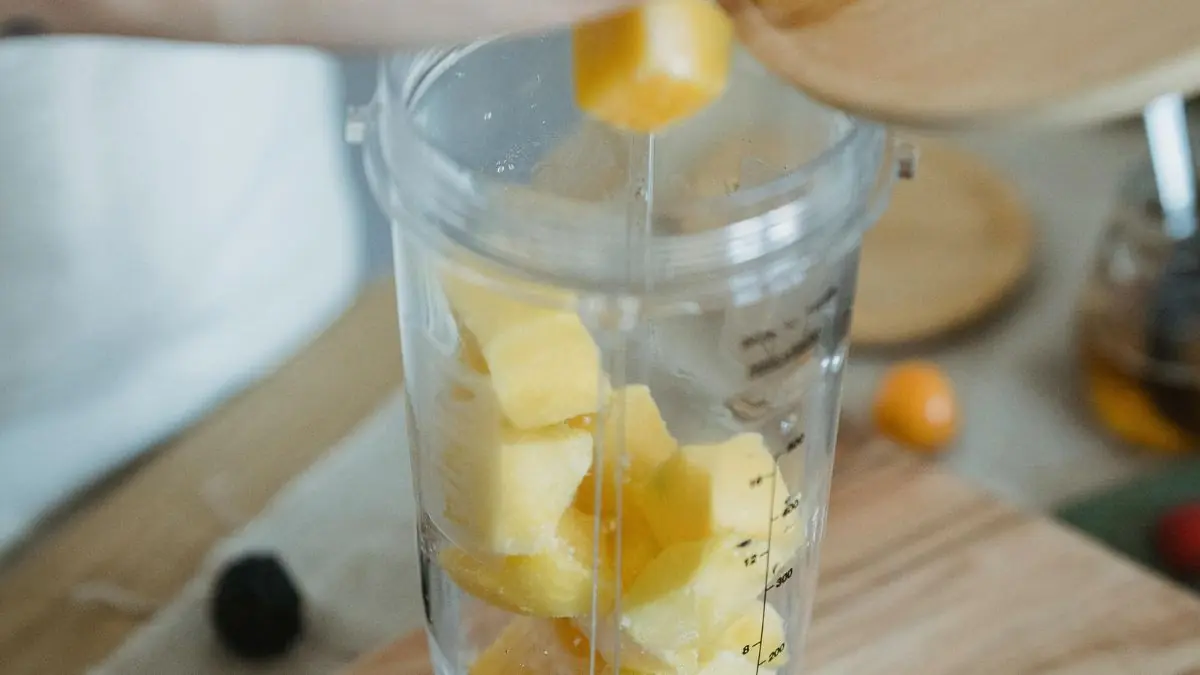
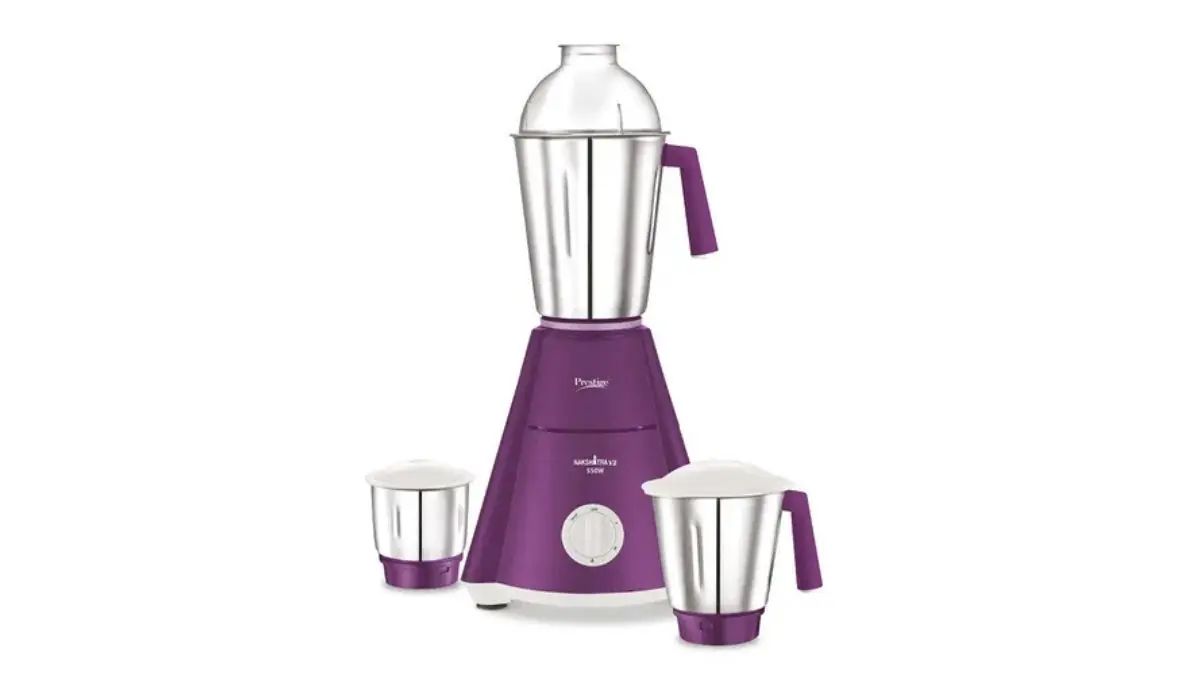
Overfilling a jar with ingredients, particularly while making thick pastes, purées or chutneys is a sure indicator that the motor is going to heat rapidly. Too much pressure on the jar increases the machine’s resistance which in turn means that more power is derived from the motor than it can handle. So, never fill the jar beyond 2/3rd of its capacity, as overloading the mixer grinder is one of the fastest ways to heat it at an alarmingly rapid rate. Watch out for signs like slower blade movement and a burning smell, that indicate motor overheating.
Tip 3: Add Liquids Intelligently
Some chutneys, batters and curry pastes require adding water, milk, cream or any other liquid for grinding them to a smooth textural consistency. So, add small amounts of whatever liquid is required while grinding dry or fibrous ingredients. Intelligently adding a few tablespoons of oil, water or curd while making dry masalas, coconut chutney, ginger-garlic paste or nut butter will reduce pressurised friction and allow the motor to rotate smoothly and evenly. This will reduce the risk of overheating the mixer grinder.
Tip 4: Maintain Blades And Jars
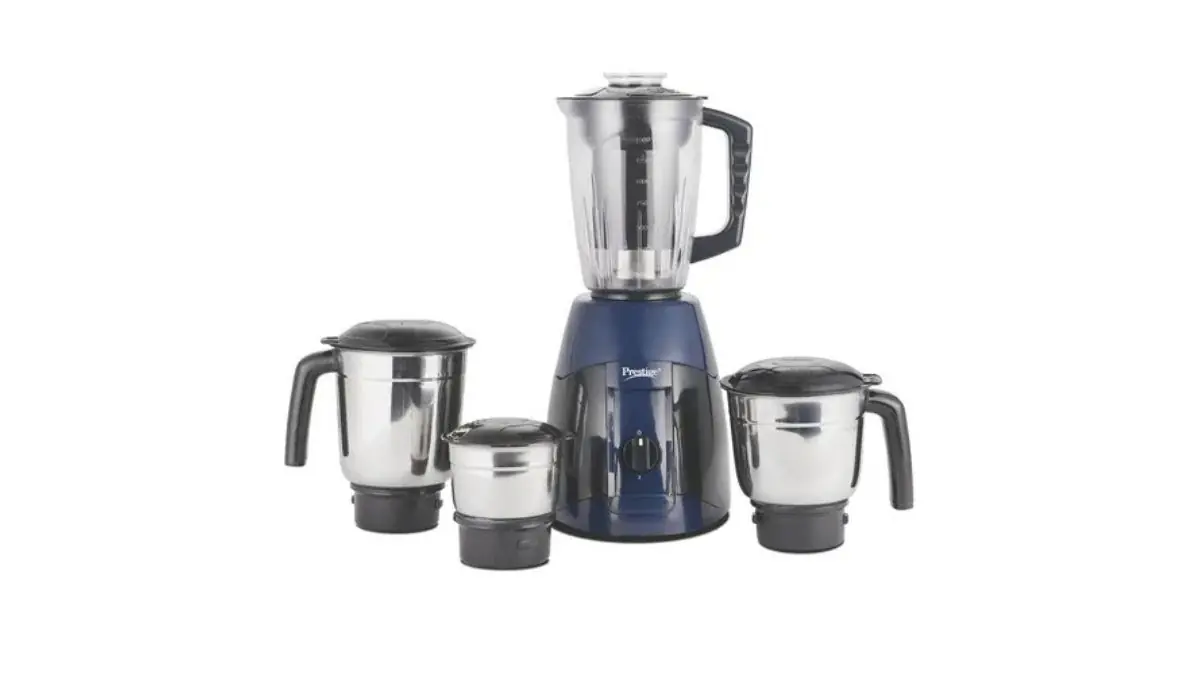
No matter the time and enthusiasm deficit in a hosteler’s life, some attention must be paid to keeping mixer blades and jars in good condition. This involves checking the sharpness of the blades and keeping an eye on whether they are becoming wobbly. Replace whatever apparatus is required as dull blades automatically increase grinding time which can in turn increase the heat build-up in the motor. If this happens for a long time, the motor will definitely give up one day. Also make sure that the mixer jars are clean and dry as any residue might mix with fresh ingredients. This improper coupling can not only strain the motor but also cause foul smells.
Tip 5: Allow The Motor To Breathe
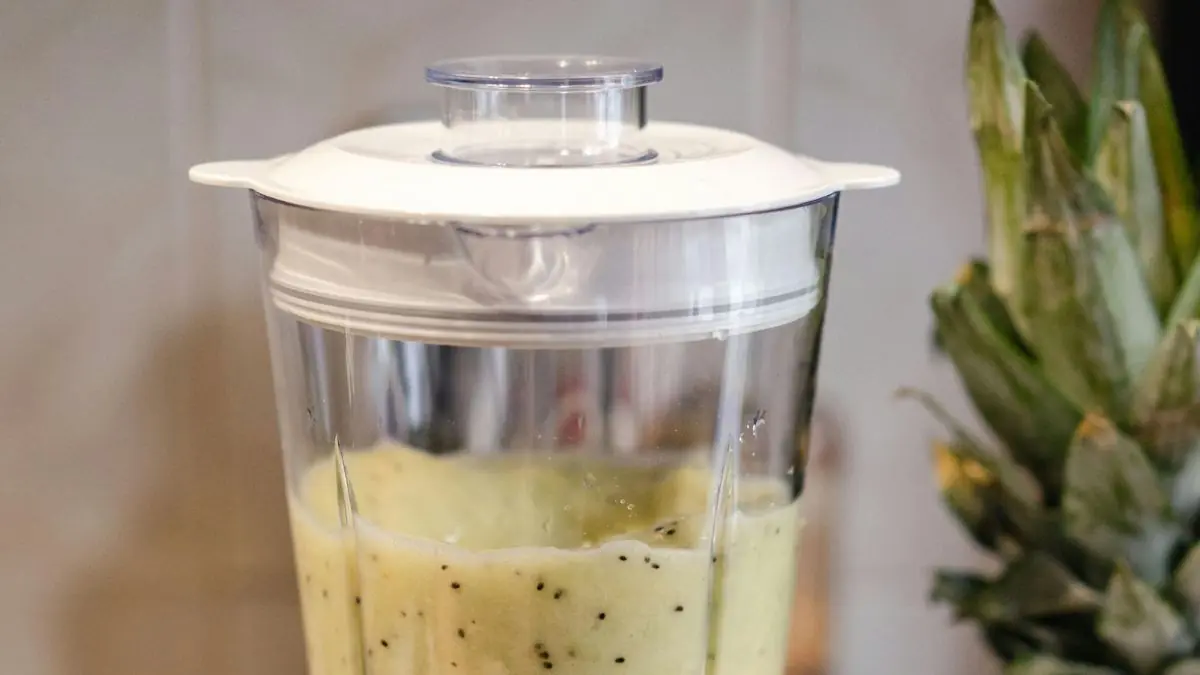
While college students or hostelers working in a small kitchen are short on space, it is still essential to make adequate room for the mixer grinder. Keep the mixer grinder in a flat, airy space with good ventilation. Avoid placing it against the wall or inside a cabinet as this can trap the heat released from the motor. Blocked airflow means the motor’s housing takes the blow and overheats at a much faster rate. So, allow the mixer to cool through the air vents located at the base and avoid operating it on a cloth or mat, basically any substance which will prevent the heat from escaping.
And if the mixer continues to overheat despite these tips, check usage habits, reduce runtime and always use the mixer only when it is completely cooled. Repeated cut offs due to excess heating can indicate deeper motor issues, so keep an eye out if overheating is a frequent phenomenon.