High Protein Vegetarian Recipes For Energy & Strength
High Protein Vegetarian Recipes For Energy & Strength


Protein is important if you want to feel full, stay active, and build strength. But many vegetarian diets in India still lack enough protein in day-to-day meals. You do not always need expensive powders or supplements. You can include more protein at home using basic Indian ingredients. These recipes are made to support strength, energy, and satiety through regular vegetarian cooking.
Many people still assume that a vegetarian diet cannot provide enough protein, especially if they are trying to stay strong or active. In India, meals often focus more on carbs and fats, and protein is either limited or not always included in the main part of the plate. While paneer and dal do offer some protein, the total amount may still fall short for those trying to improve their fitness or energy levels. Instead of changing your entire diet or switching to packaged options, you can use regular kitchen staples in new combinations. These recipes use high-protein ingredients like soy, millets, lentils, and nuts in ways that are simple to prepare at home. You do not need any special tools or ingredients. Each idea is designed to give you both flavour and strength with just a little extra planning.
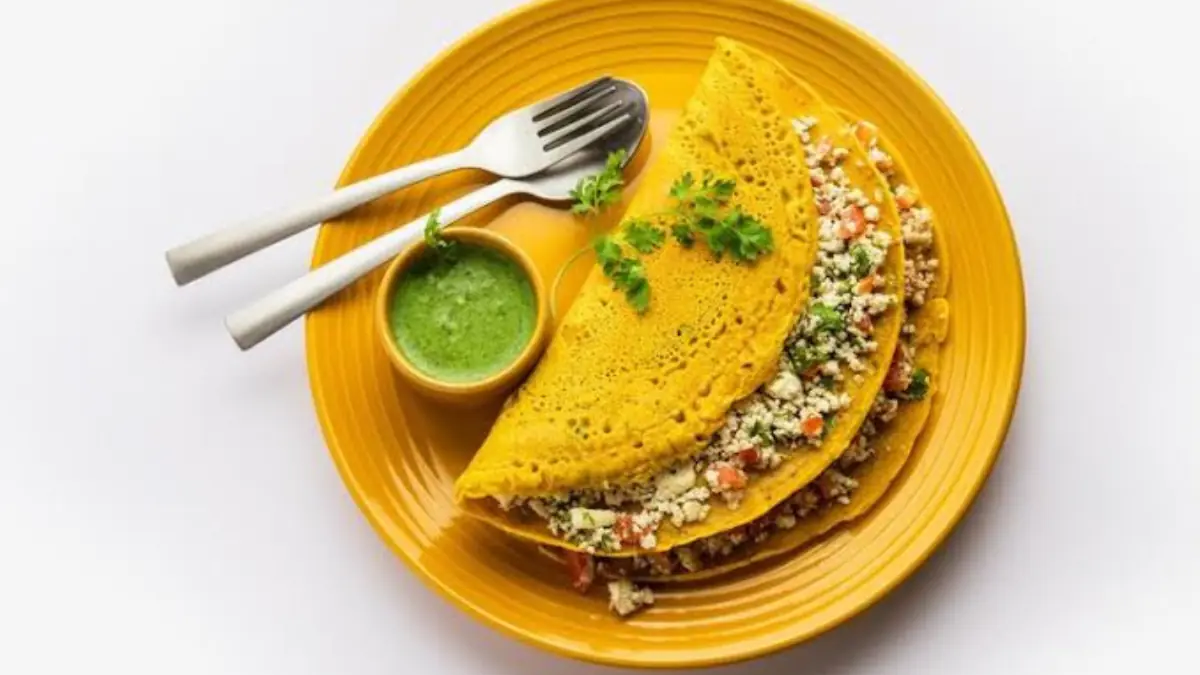
Soya-Moong Chilla With Vegetable Filling
Besan chilla is common across Indian homes, but this version uses a mix of yellow moong dal and soya granules. Both moong and soya are rich in plant protein and easy to digest. Soak the moong dal for a few hours and blend it into a smooth batter. Add a small amount of soaked soya granules into the batter before cooking. To make it more filling, you can add a warm vegetable stuffing made from grated carrots, onions, and cooked capsicum. This way, you get both fibre and protein in the same dish. Serve it hot with green chutney for breakfast or lunch. If you want more calories after a workout, you can add a spoon of peanut chutney or even a boiled egg on the side if you are open to eggs.
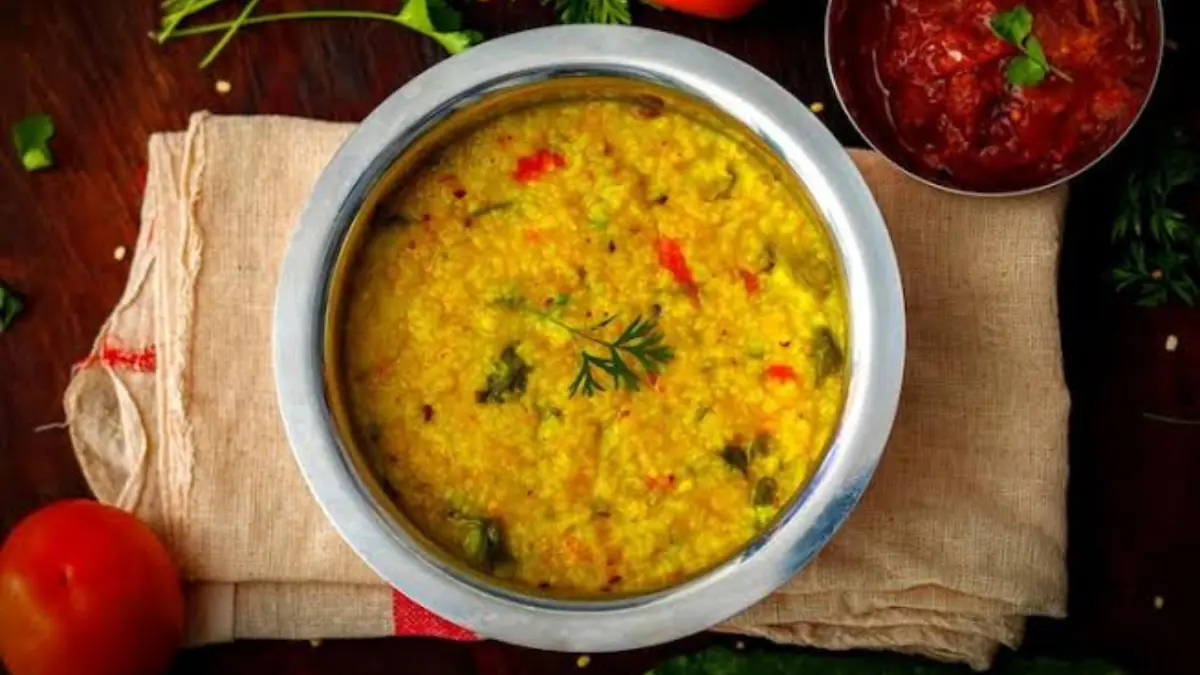
Mixed Dal Khichdi With Tadka Paneer
Khichdi may sound like comfort food, but it can also work well as a high-protein meal if you choose the right dals. Use a mix of toor dal, masoor dal, and urad dal along with a small portion of brown rice or millet like bajra. The combination increases the total protein and improves the amino acid profile of the dish. To add more texture and fat, fry cubes of paneer with a light tadka of mustard seeds, ginger, and curry leaves. Mix the paneer into the khichdi after it is fully cooked. You can top it with ghee for more calories or keep it plain if you want a lighter meal. This khichdi is especially useful on days when you need to recover after physical activity or when you want something filling that digests slowly.
Rajma-Sattu Cutlets With Green Peas
Rajma is already high in protein and fibre, but when you mash it with sattu, you get a stronger, denser mix that binds easily and holds shape. Cook and mash the rajma well. Mix it with sattu, some grated ginger, chopped green chillies, and boiled peas. Shape into flat cutlets and cook them on a tawa with very little oil. You can eat these cutlets with a side salad or roll them into a whole wheat wrap with onions and chutney. Sattu is made from roasted chana dal and has a nutty flavour that pairs well with rajma. These cutlets are easy to make ahead and freeze, and they can work as a quick lunch or evening snack. This recipe is also a good way to add protein to kids’ tiffin boxes without relying on cheese or fried snacks.

Millet Upma With Roasted Peanuts And Sprouts
Rava upma is fast and convenient, but it does not offer much protein. Replacing rava with foxtail millet or kodo millet adds both protein and fibre. You can cook the millet like regular upma and then add sprouted moong or matki during the final stage. To make it more rich and filling, roast a handful of peanuts and add them just before serving. This combination gives you slow-release energy and keeps you full for hours. The dish works well for breakfast or a mid-day meal. If you want to make it spicier, you can add some green chilli or fresh ginger in the tempering. Millets are also good for people who are trying to manage blood sugar or reduce refined grains.
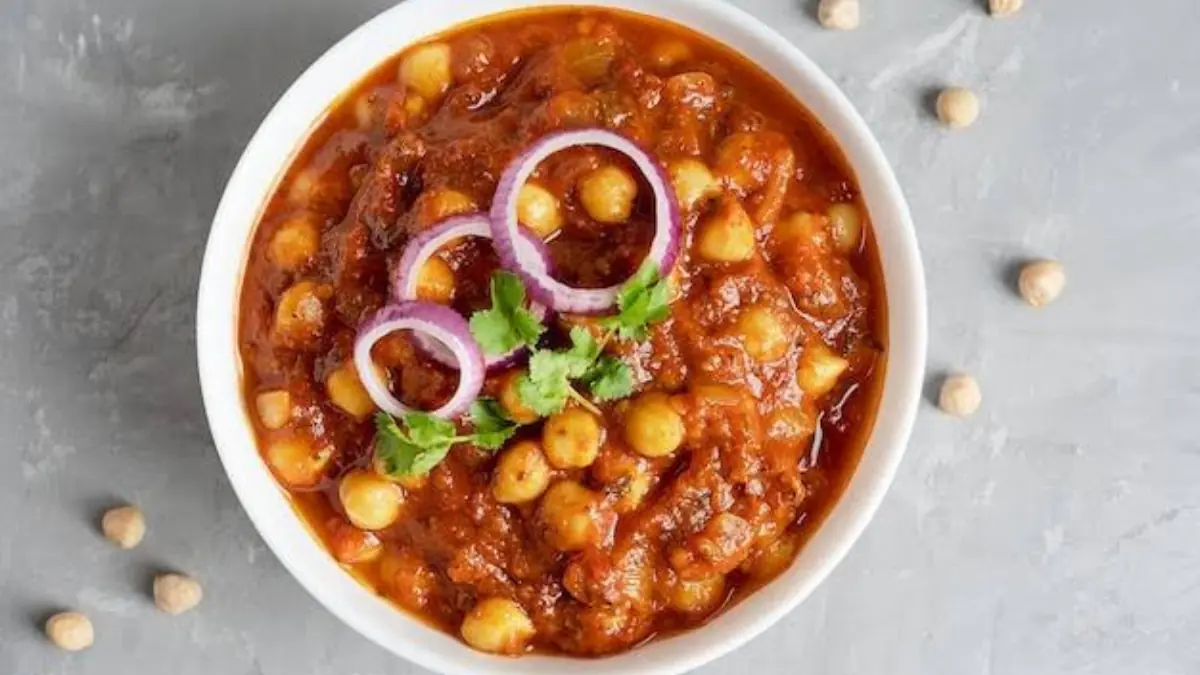
Chana-Sesame Curry With Bajra Roti
Chickpeas are one of the easiest ways to add plant protein to Indian meals. Boil them well and prepare a curry using roasted sesame seed paste instead of regular coconut or cream. Sesame is rich in calcium, healthy fat, and protein, and the flavour blends well with chickpeas. For the curry, grind roasted sesame seeds with garlic, cumin, and a bit of cooked tomato. Add the paste to boiled chickpeas and simmer for a few minutes with spices like coriander and turmeric. This curry pairs best with bajra or jowar roti, which adds more protein than regular wheat roti. If you want extra crunch, sprinkle a few pumpkin seeds on top before serving. This kind of meal is warming, filling, and easy to digest during winter or after long work hours.
You do not need expensive ingredients or protein powders to build strength and stay active on a vegetarian diet. By using Indian staples like dal, chana, millet, peanuts, paneer, and sprouts in smarter ways, you can get more from the same daily meals. Many of these ingredients are already present in your kitchen, but the way they are combined makes the real difference. A little planning and some variation in the weekly routine can go a long way in improving both your energy and muscle recovery. These high-protein recipes also taste good, so you are more likely to stick to them in the long run.


