Global Halloween Foods You Didn’t Know About
Global Halloween Foods You Didn’t Know About


Halloween food looks different in many parts of the world. People eat special dishes that have old meanings and stories behind them. These foods often remind families of ancestors, harvests, and simple customs that still live on today.
Halloween has grown into a night full of costumes, sweets, and fun, but its beginnings were very different. Long ago, this time of year was for remembering the dead and giving thanks for the harvest. In many countries, families still make dishes that belong to this older tradition. These foods are more than just a treat; they carry history and belief within them. In India, people might see Halloween only as a western idea, but across the world, the day has many sides. Food becomes a way to connect to the past and to each other. Some dishes are eaten for luck, others for comfort, and some simply to keep an old story alive around the kitchen table.
1. Soul Cakes: United Kingdom And Ireland
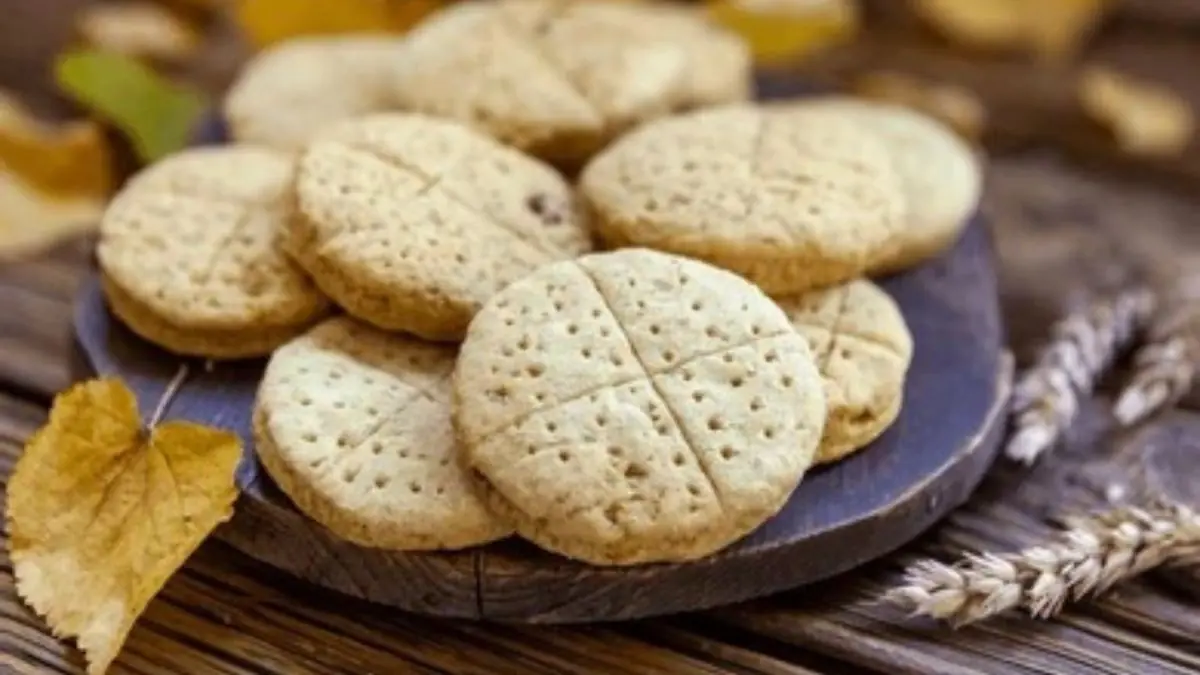
In Britain and Ireland, people once made small round cakes called soul cakes. These cakes were baked for the souls of the dead. Children and poor people went from house to house asking for them, offering prayers in return. The cakes were spiced and had a small cross marked on top. Each cake meant a prayer for someone’s soul. The tradition was part of a Christian custom called souling, which slowly changed over time and helped create trick-or-treating as we know it today. Though many families no longer make them, in some places people still bake soul cakes around Halloween as a simple way to remember this old habit.
2. Barmbrack: Ireland
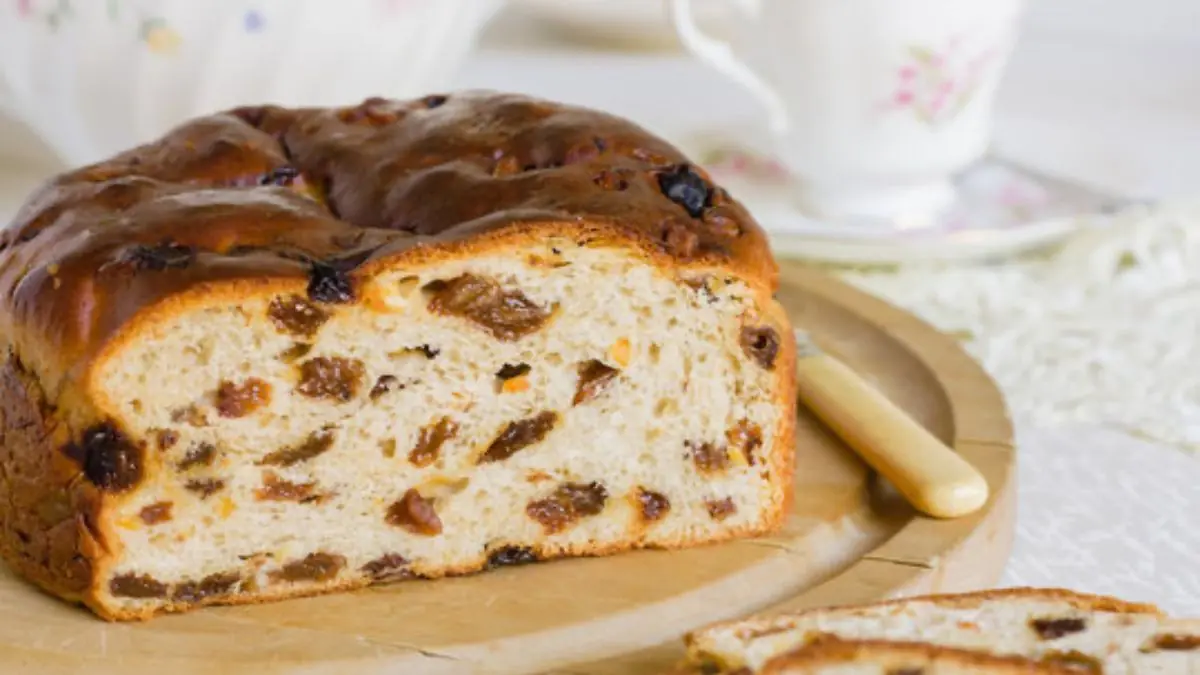
Barmbrack is a sweet loaf filled with raisins and fruit peel soaked in tea. It is soft and full of flavour and has a special meaning at Halloween in Ireland. Small objects are baked inside the loaf. A ring means marriage, a coin means money, and a piece of cloth means some kind of trouble. People slice it carefully, hoping to find something lucky in their piece. The sharing of Barmbrack brings laughter and guessing around the table. The idea goes back many years and still continues today in many homes. It makes Halloween feel close to family and full of little surprises.
3. Pan De Muerto: Mexico
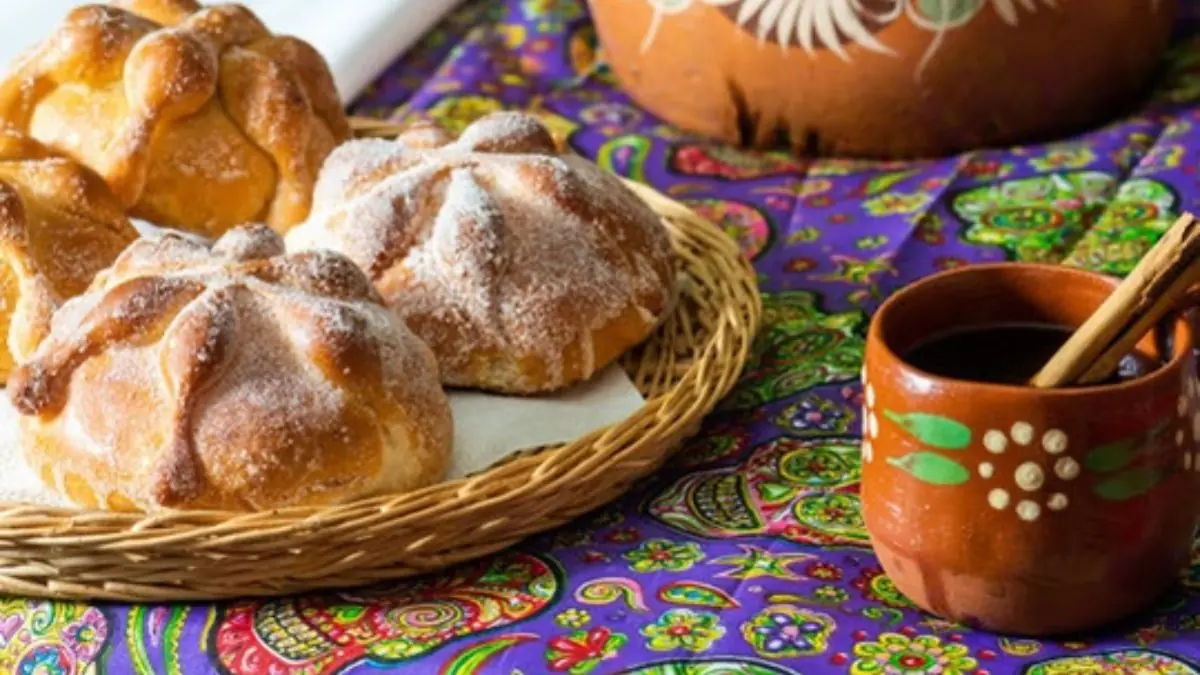
In Mexico, the Day of the Dead is celebrated at the same time as Halloween but with a different feeling. Families make a sweet bread called pan de muerto, which means “bread of the dead.” The bread is round and often decorated with shapes that look like bones. It has the scent of orange blossom and a light sugar coating on top. The bread is placed on family altars with flowers, candles, and photos of people who have passed away. It is a way to show love and memory through food. When families eat the bread together, they believe the spirits are also near, sharing in the moment.
4. Colcannon: Ireland And Scotland
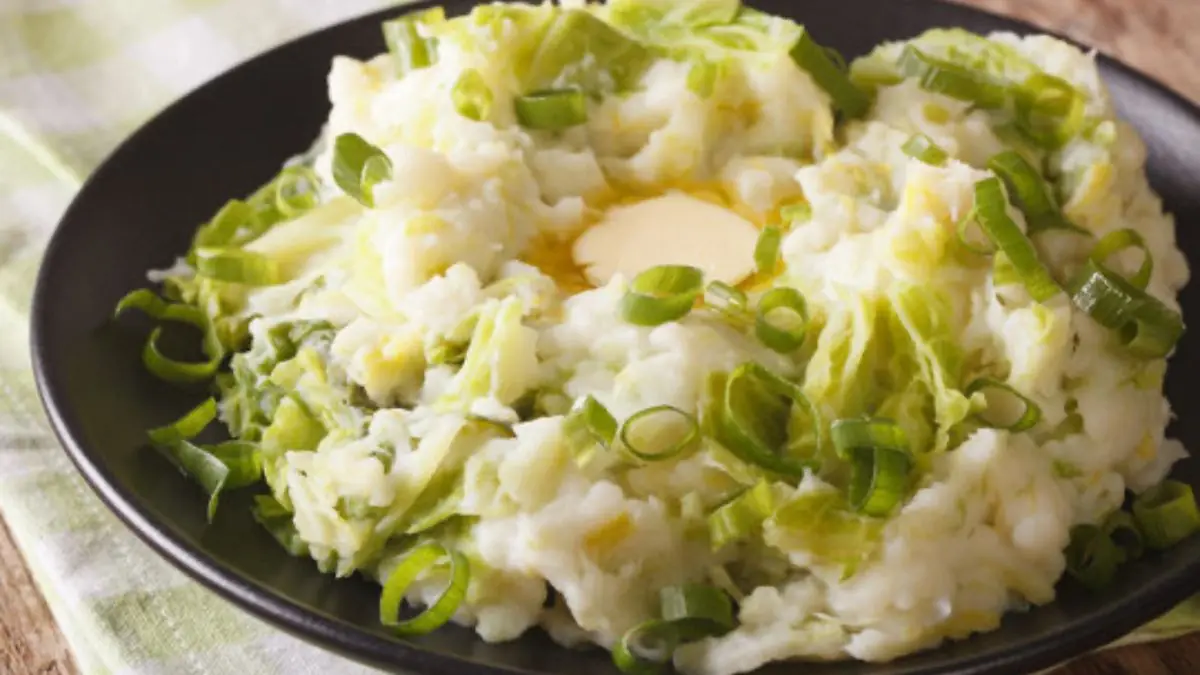
Colcannon is a simple dish made from mashed potatoes and cabbage or kale. It has butter, milk, and green onions mixed in. During Halloween, it was once common to hide small things like coins or rings in it. Whoever found one would be said to have luck or marriage in the coming year. It was a meal for the whole family, eaten warm after harvest work. Many people still make colcannon in Ireland, especially around Halloween, as it reminds them of old customs. The dish uses everyday ingredients but has a special meaning tied to family and home.
5. Huesos De Santo: Spain
In Spain, on All Saints’ Day, families eat sweets called huesos de santo, which means “saints’ bones.” The name sounds strange, but the sweets are made from almond paste and filled with sweet egg yolk cream. They are shaped like little bones to honour the saints and the dead. The tradition began hundreds of years ago, and people still buy them from bakeries every year. Some families make them at home too. The making of these sweets is done with care and patience, showing how food and faith come together in Spanish homes during this time.
6. Fave Dei Morti: Italy
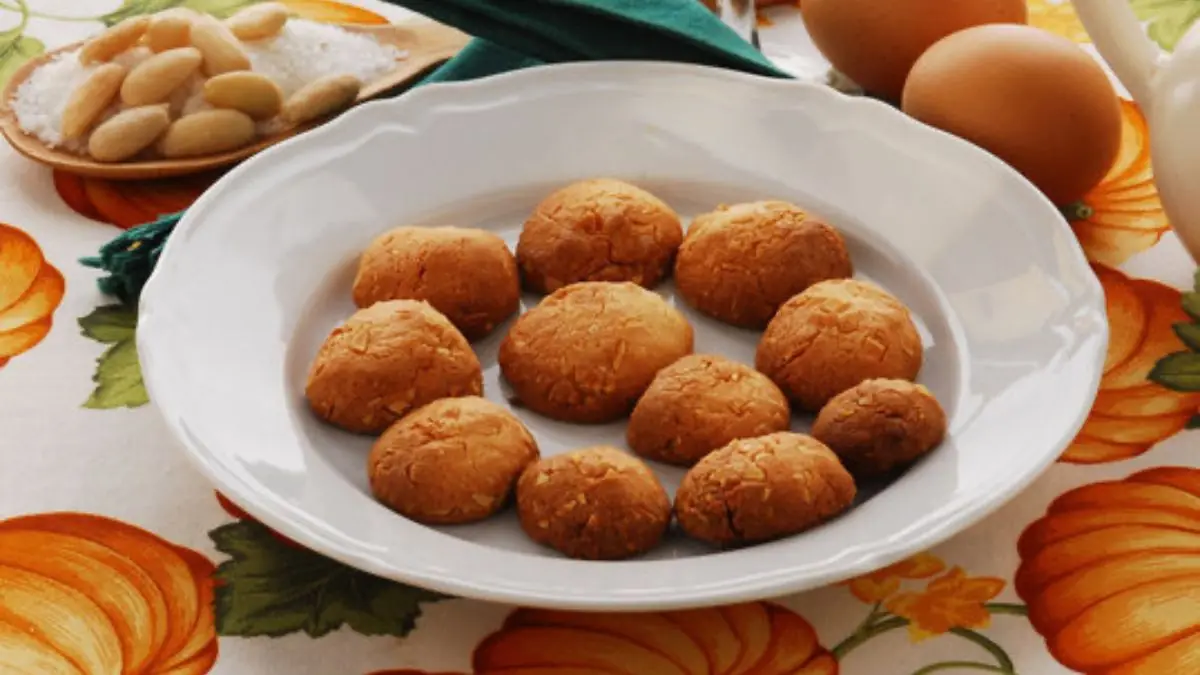
In Italy, small biscuits called fave dei morti, or “beans of the dead,” are baked during All Souls’ Day, which comes soon after Halloween. These almond biscuits are soft inside and slightly crisp on the outside. They were originally shaped like beans because people believed beans had a connection with the soul and the afterlife. Families make or buy them and keep them on the table as a way to remember loved ones. In many regions, these biscuits are part of family gatherings and prayers. Their name may sound simple, but the meaning is full of respect and care passed through generations.