Best Methods To Store Coriander Leaves Without Wilting
Best Methods To Store Coriander Leaves Without Wilting
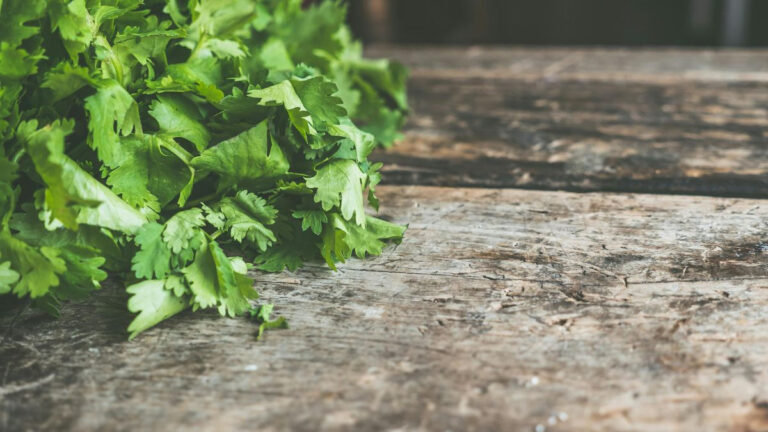


Coriander, an aromatic, savoury leafy green is central to a homemaker’s kitchen. Used to make chutneys and spreads or as a fresh garnish over nearly every vegetable or warm rice variation, Indian cooking is incomplete without coriander. Storing coriander leaves properly so they stay fresh and retain their fragrance means you can use them for a longer time. It also cuts down dramatically on food and veggie waste generated in the kitchen.
For the budget-conscious homemaker, reducing food waste is paramount. One kitchen ingredient which is an absolute essential, yet which is also prone to wilting and drying is fresh coriander leaves. When stored improperly, a fresh bunch of coriander leaves can quickly go to waste, increasing the amount of veggie scraps generated in the kitchen. Coriander is essential to making chutneys, pastes, broths and vegetables. It is also an excellent garnish that brings fresh aromas and vibrancy to curries and rice variations. Adding coriander to crispy snacks like aloo tikkis or samosa stuffings enhances their flavour. Ultimately, it is one of the most staple leafy greens in the kitchen of a budget-conscious homemaker and with a few hacks can be stored prudently enough so it stays fresh for longer.
Method 1: The Paper Towel
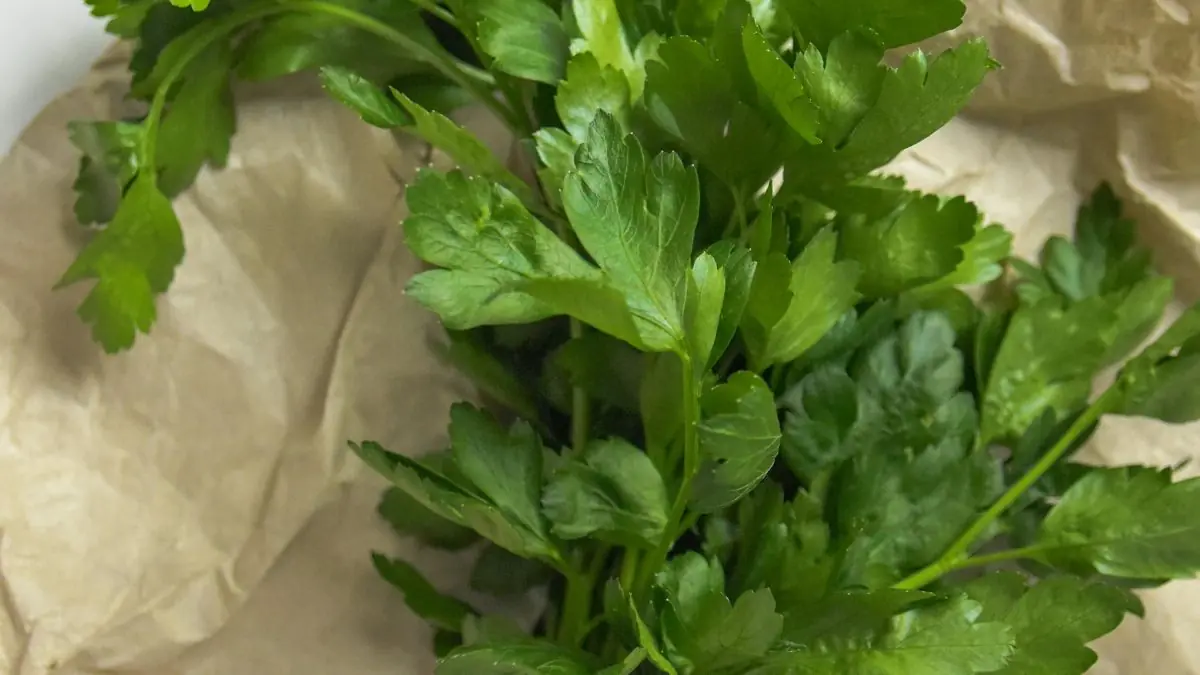
One of the reasons coriander needs to be protected from wilting is because it has thin, delicate stems that are fragile but contain a lot of moisture. Tender leaves bruise easily which means controlling dampness and airflow becomes imperative. So, one of the most reliable storage methods is wrapping coriander lightly in a paper towel while storing in the fridge so the tissue soaks in all excess moisture, without hurting the leaves. Cut off a few inches from the coriander sticks and wash the upper portion thoroughly before storing using this method. Coriander preserved with its stalks intact can be an excellent addition to chutneys prepared in the mixer grinder, warm shorbas simmering in an electric cooker and curry pastes that are turned into aromatic gravies in a kadai.
Method 2: The Airtight Box
A homemaker making buying decisions on a budget is bound to purchase just one bunch of coriander leaves which is expected to last for at least a week or more. But haphazardly stored coriander dries out, turns crisp and blackens in the fridge and ultimately has to be chucked out. Proper airtight storage can prevent this from happening. Bring home a bunch of fresh coriander leaves and pluck them diligently, keeping small stalks and leaves separately from the larger sticks. Line an airtight jar with tissue or parchment and place the delicate coriander leaves inside. The jar or box will prevent external air from coming into contact with the delicate leaves. These can then be used to garnish breakfast essentials like pohe or upma made in the kadai or every day sabzis like bhindi or jeera aloo cooked in the fry pan.
Method 3: Storing Like Fresh Flowers
If you are one of those homemakers who prefers cooking with freshest leafy greens plucked off their stems, then this method is perfect for you. Loose coriander stalks can be placed inside a glass or steel jar containing water. The result? A flower vase-like, herb garden-style aesthetic which will enable you to pluck coriander leaves for sprinkling over sabzis or crushing into chutneys as and when required. Stored thus, the coriander bouquet will stay fresh for at least 3-4 days. This is an exceedingly artsy method that also enlivens the look of your refrigerator. Bring a smaller bunch of coriander leaves to store them using this method while minimising the risk of wilting.
Method 4: Wash And Air Dry Method
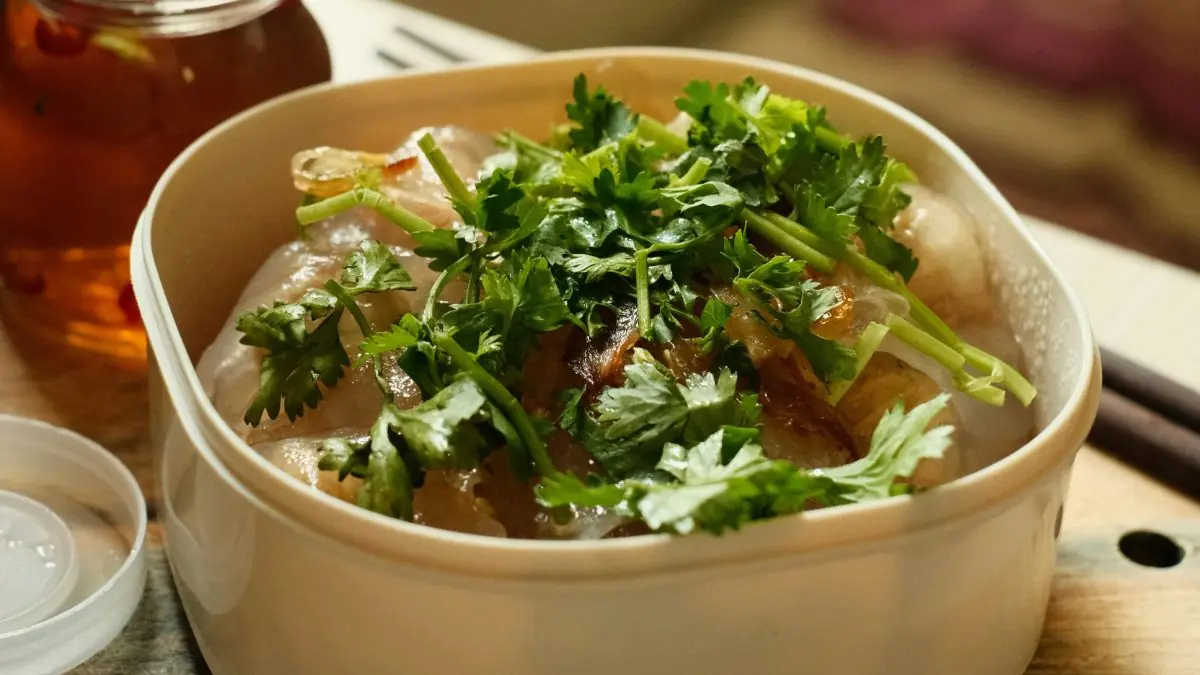
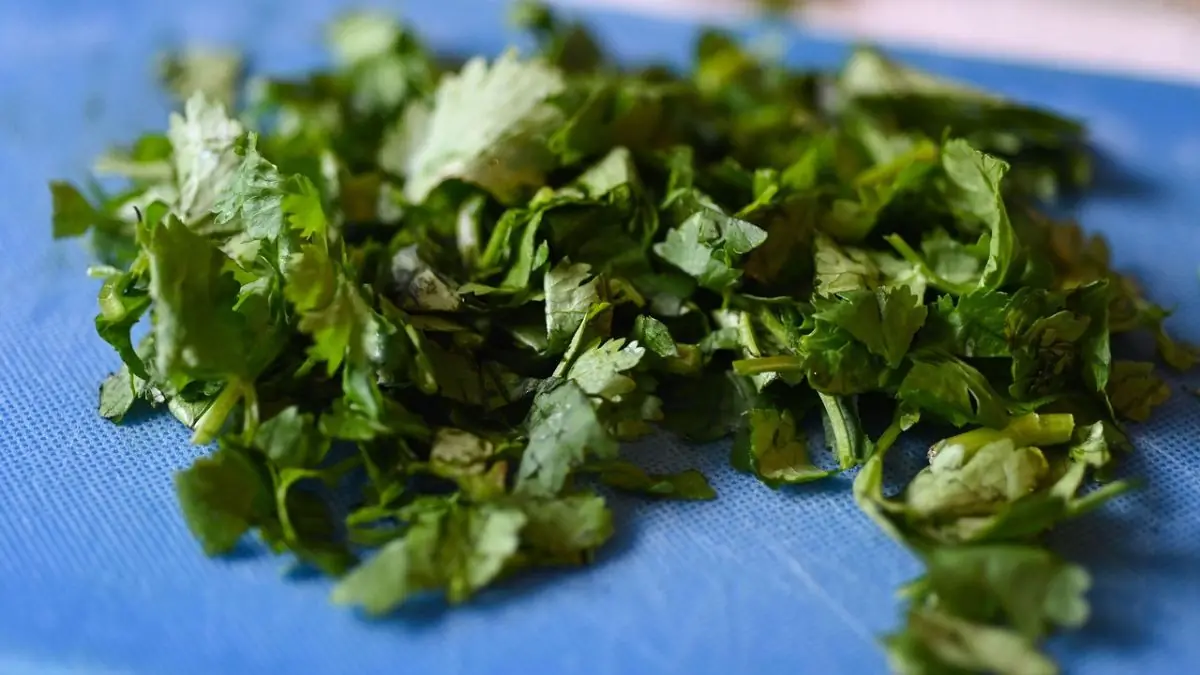
Another interesting and proven hack used by many homemakers is washing and then drying the coriander leaves to store them for a longer duration. First, pluck coriander leaves fresh off the stalks. Then, immerse them in water for a few minutes. Drain the water away and spread the leaves to dry on a thin muslin or any other preferred kitchen towel. Once they are entirely air dried and free of excess moisture, store them in the fridge in a large, airtight box. Line the box with tissue to get rid of any excess moisture that seeps inside. This air dried coriander lasts for a few days but needs to be used immediately otherwise the leaves start to crispen due to the reduced moisture content.
Method 5: Freezing Coriander
For budget homemakers who buy in bulk at once and then make produce last in the pantry or fridge for several weeks, the freezing method works like an absolute charm. Wash and dry whole leaves completely and spread them on a tray. Freeze the leaves before transferring them into a ziploc bag. Now, store this airtight bag in the fridge too and defrost smaller chunks as and when required. The other alternative is to make frozen coriander cubes. This involves plucking the leaves, chopping them finely and mixing them with a little water. The coriander and water mixture can be added to ice trays and frozen into cubes. These cubes can last for weeks in little freezer bags. Such frozen coriander is best used in dals and curries. Avoid using it as a garnish.
Extra Hacks:
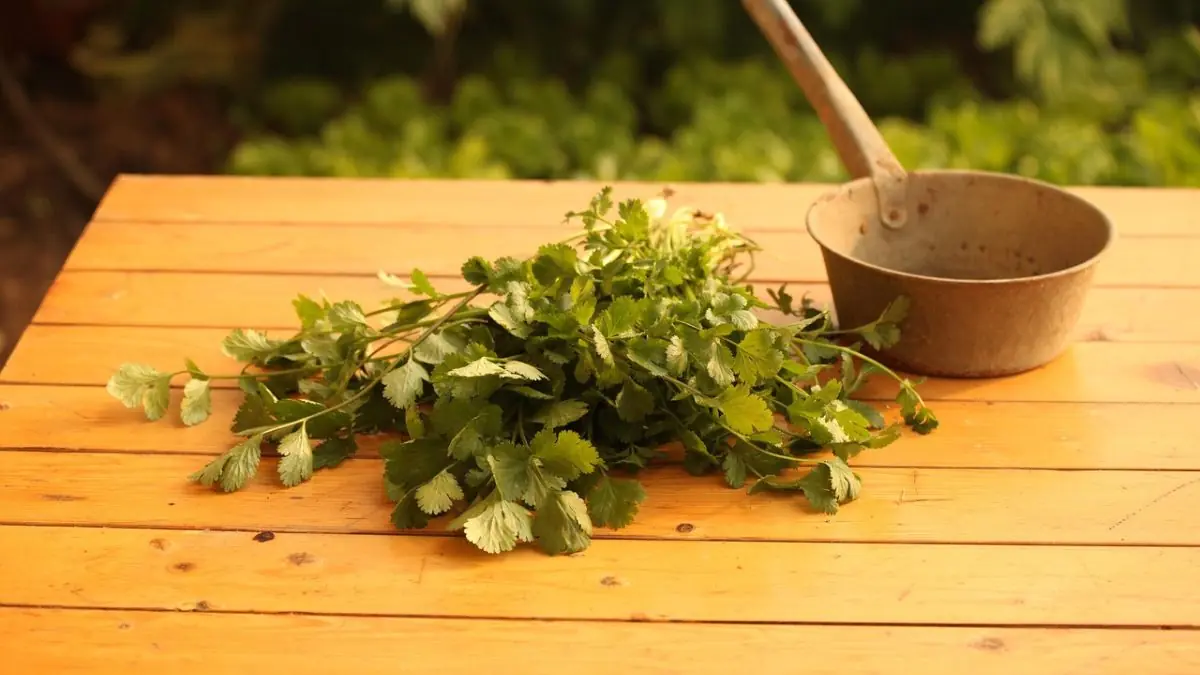
If the coriander stalks appear to be slightly wilted or it feels like they are crispening, simply immerse them in chilled ice water. This might revive and refresh the coriander stalks. Afterwards, use one of the above methods to store the leaves.
One of the best ways to store a whole coriander bunch while minimising waste is to separate the thick, lower stems from the delicate ones which carry the leaves at the top. Both have different uses in the kitchen, so storing them in separate jars not only keeps them fresh for longer but also increases kitchen efficiency. Always keep the coriander in the front of the fridge so it is easily accessible and away from the harsh chill of the rear.