Top 10 Fibre Foods To Improve Digestion And Gut Health
Top 10 Fibre Foods To Improve Digestion And Gut Health



These delicious and healthy selections are high in fibre and can help with a variety of health issues, including indigestion, gut health, weight gain, and the risk of developing certain chronic diseases. So, next time you plan your meals, remember to incorporate these high-fibre foods.
Including foods that are rich in fibre in your everyday meals is a wise decision for several compelling reasons. Fibre, which is an essential part of plant-based foods, provides a wide range of health benefits. First and foremost, it helps support a healthy digestive system by preventing constipation and ensuring regular bowel movements. Additionally, fibre plays a role in weight management by creating a sense of satisfaction, which can help prevent excessive eating. Moreover, it has an important role in maintaining stable blood sugar levels, which makes it a great option for people who have diabetes. In addition, including a diet rich in fibre can help decrease the chances of developing heart disease by lowering cholesterol levels. Here are the top 10 fibre-rich foods to include in your daily diet. Each of these amazing foods provides distinct benefits that contribute to our well-being as a whole. Let’s explore the amazing benefits of these foods that are rich in fibre.
Oats
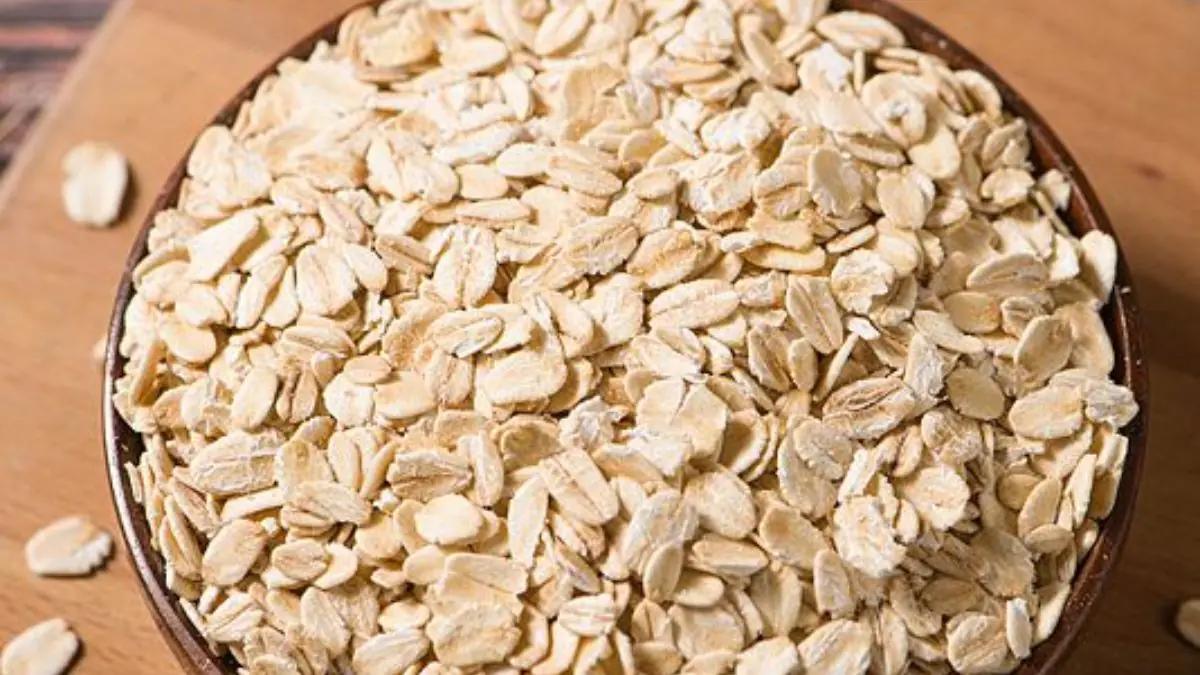
Oats are well-known for their high fibre content, especially beta-glucans, which are a type of soluble fibre that has been extensively studied for its positive effects on health. These foods can help lower cholesterol levels and stabilise blood sugar, which makes them a great option for people with diabetes or those who have questions about their heart health. Oats are not just satisfying, but they’re also incredibly versatile. You can enjoy them in various ways, such as a comforting bowl of muesli, blended into delicious smoothies or used as a nutritious addition to your favourite baked treats.
Carrots
Carrots offer more than just a satisfying crunch and vibrant colours to your meals. These fruits contain a good amount of dietary fibre, mainly in the form of soluble pectin. This type of fibre helps to keep your bowel movements regular and supports a healthy gut. Carrots are not only delicious, but they also provide our bodies with an important nutrient called beta-carotene. Our bodies actually convert beta-carotene into vitamin A, which is essential for maintaining good vision and a strong immune system.
Legumes
Beans, lentils, and chickpeas are excellent sources of both soluble and insoluble fibre. They contribute to a feeling of fullness and help regulate blood sugar levels, curbing sudden spikes that can lead to cravings. Dal soup, dal ki dulhan, dal tadka, makhani and fry, sprout salad, and chhole are great dishes to increase fibre intake. Legumes are similar to meat in nutrients except in terms of iron content. They cost very little but have plenty of options, along with so many delicious ways to cook. The main difference between beans and legumes is that a legume is an umbrella that includes beans, and the seeds collected from different plants are called beans.
Sweet Potatoes
Not only are sweet potatoes delicious, but they are also a root vegetable that is rich in fibre. The fibre in sweet potatoes helps with digestion, and they have a lower glycemic index than regular potatoes, which is great for people who need to keep an eye on their blood sugar levels. In addition, sweet potatoes are packed with vitamins, especially vitamin A in the form of beta-carotene. This nutrient is essential for keeping your skin healthy, maintaining good vision, and strengthening your immune system.
Chickpeas
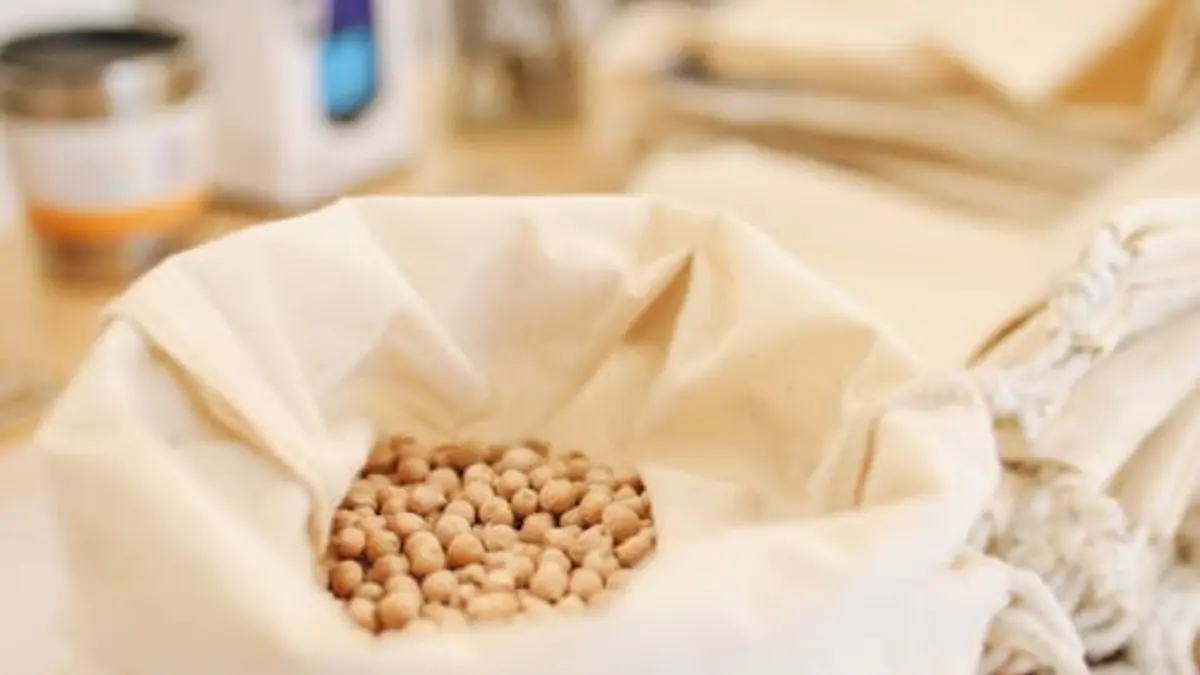
Chickpeas, which are also called garbanzo beans, are a type of legume that contains a good amount of fibre, including both soluble and insoluble fibre. Beans are an excellent source of plant-based protein, which makes them a popular choice for vegetarians and vegans. Moreover, the soluble fibre found in chickpeas plays a role in maintaining stable sugar levels and decreasing the likelihood of developing heart disease. You can use these versatile legumes in a wide range of dishes, such as hummus and curries.
Broccoli
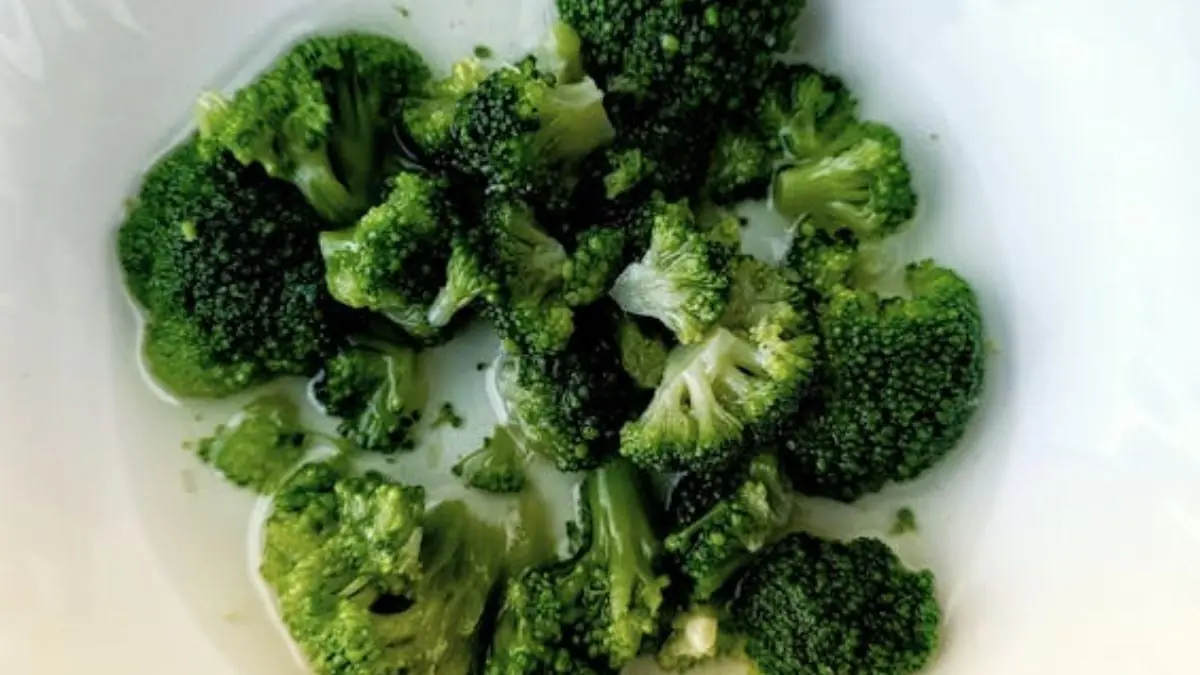
Part of the cruciferous vegetable family, broccoli offers a healthy dose of fibre along with essential nutrients. Its high-water content and fibre make it a great choice for those looking to manage their weight. The vegetable goes well with pasta, salads, and casseroles. For a Desi option, malai broccoli or tandoori broccoli is a great option. The traditional instruction for cooking broccoli is to chop the florets into little pieces before cooking. When it is steamed, sautéed, or stir-fried, it holds up well. In meals like broccoli salad, broccoli can also be eaten raw.
Leafy Greens
Spinach, fenugreek, and other leafy greens are really great for you! They’re packed with fibre and can do wonders for your health. These leafy greens are filled with essential vitamins, minerals, and antioxidants that help promote good health and overall well-being. The fibre in these foods helps with digestion and makes you feel full, which is great for managing your weight. Moreover, leafy greens contain antioxidants that can potentially lower the chances of developing chronic illnesses such as heart disease and specific forms of cancer.
Berries
Although berries are well known for their antioxidant content, they also contain a lot of fibre. Nearly 4 grams of fibre may be found in just one cup of fresh blueberries, and almost as much can be found in one cup of frozen, unsweetened blueberries. Additionally, excellent sources of fibre are raspberries, blackberries, and strawberries. Berries’ naturally low-calorie content is also one of their most advantageous qualities.
Chia Seeds
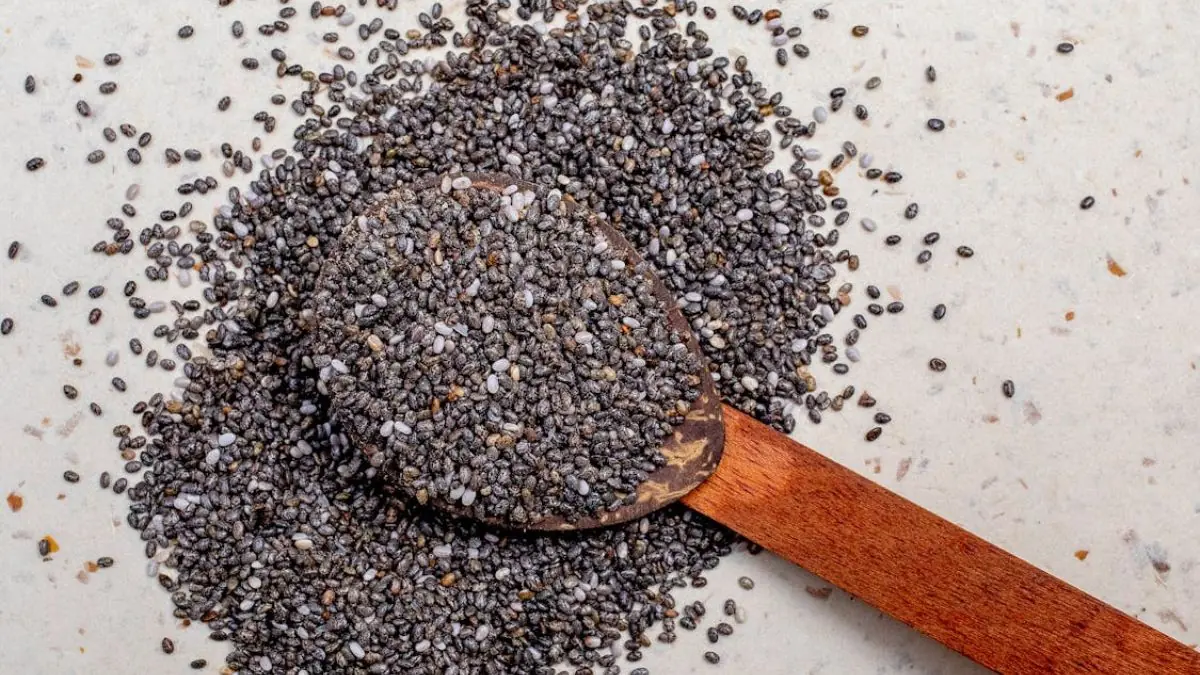
Chia seeds are highly nutritious and are an amazing choice for a weight loss diet. These tiny seeds are rich in magnesium, phosphorus and calcium, along with fibre. According to sources, one ounce of chia seeds contains 34.4 grams of fibre. Chia pudding and oatmeal are the best ways to add this healthy ingredient to your diet.
Brown Rice
Brown rice is a healthy alternative to white rice and can be easily added to meals. It is rich in various nutrients like vitamins, minerals and antioxidants along with dietary fibres. According to PharmEasy, adding brown rice to the daily diet helps in regulating intestinal movements and curing constipation. You can pair it with any of your favourite curries for a wholesome lunch.