World Health Day: Top 10 Iron-Rich Foods To Combat Fatigue And Boost Haemoglobin
World Health Day: Top 10 Iron-Rich Foods To Combat Fatigue And Boost Haemoglobin


World Health Day is marked on 7 April each year as a moment to focus on global health concerns, promote healthier lifestyles and aim towards raising awareness about the importance of physical and mental well-being. For the nutrition-aware reader, one essential aspect of boosting overall health is maintaining good haemoglobin levels.
The health conscious reader and home cooking enthusiast considers haemoglobin levels to be one essential aspect of bodily nourishment. Haemoglobin is nothing but an iron-rich protein in red blood cells that is crucial for regulating healthy blood flow. Lower levels of haemoglobin can cause fatigue, overall dullness and a general lack of energy. But managing haemoglobin levels through simple iron and protein-forward foods can go a long way in enhancing the iron quotient in one’s body. With World Health Day around the corner, the nutrition-aware professional looking after the whole family’s lifestyle and holistic health can definitely benefit from incorporating superfoods in the daily diet that boost iron levels and maintain a robust haemoglobin count which enriches the body and provides it with sustained energy.
Spinach (Palak)
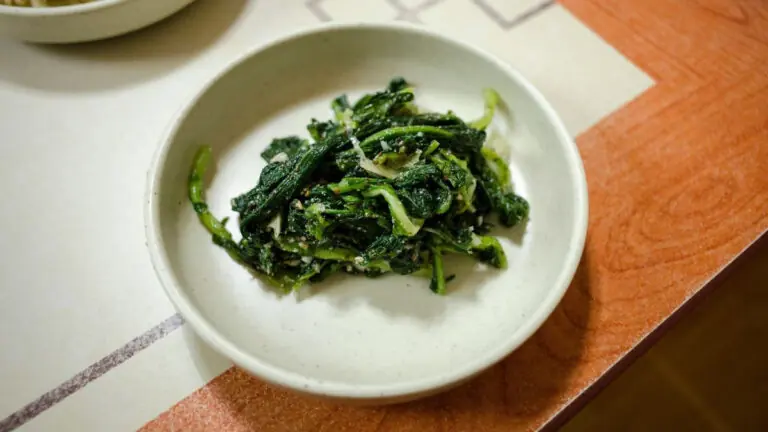
On World Health Day, celebrate the vibrant, green bounty of spinach or palak, a leafy vegetable that is very rich in iron. Use spinach in a sabzi made in a cast-iron kadai, flavoured with garlic and dried red chillies or add baby spinach to a salad with walnuts and feta cheese or slightly steam spinach and have it with some eggs or grilled meats. A very rich source of plant-based iron, spinach is indeed inseparable from a nutrition-conscious home cook’s haemoglobin-focused diet plan.
Jaggery Or Gur
For centuries, Indian kitchens have extolled the virtues of jaggery or gur as a very dense source of iron. However, when it comes to consuming gur for its iron content, it is essential to maximise on its nourishing properties. Having a glass of warm water with a cube of gur first thing in the morning is one of the best ways to harness its iron-rich goodness. Gur or jaggery can also be consumed with peanuts as a mid-morning snack to ward off food cravings.
Legumes And Pulses
Dals, legumes and pulses ranging from chickpeas and kidney beans to white beans and masoor, moong and tur are among some of the most easily available food sources for increasing iron content in the body. Cook lentils and pulses in the pressure cooker and turn them into salads, dal tadkas, sabzis or a masala gravy which can be part of your daily meal plans.
Aliv Or Garden Cress Seeds
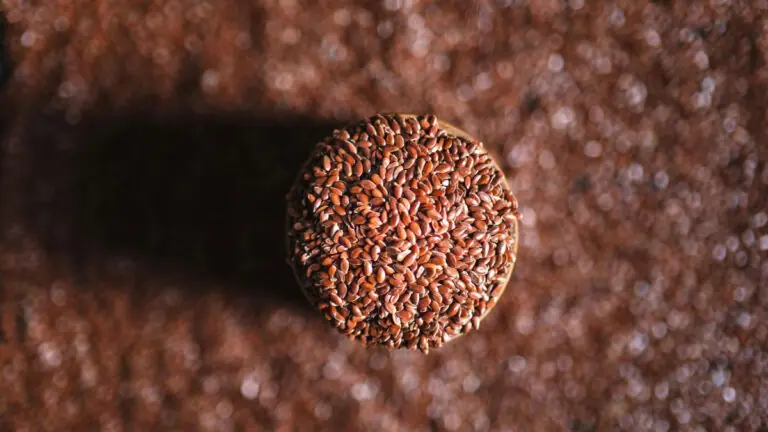
Often enough, aliv is roasted with ghee, jaggery and freshly grated coconut in a fry pan to prepare sweet ladoos that are rich in iron. Aliv ladoos are a staple in winter weather, they are also recommended foods during postpartum periods and are given to children with a glass of milk to boost iron levels in the body. This World Health Day, dive into the nutritious properties of aliv and find ways to include it in the daily diet to up haemoglobin levels.
Red Meat
For those who include non-vegetarian foods in their diet, red meat can be a good source of protein as well as iron. It contains generous amounts of heme iron which can be easily absorbed by the body and used for levelling up haemoglobin. Ensure that meat is consumed fully cooked and in moderation, either grilled or slow-roasted in the oven, without too many overpowering masalas interfering with its taste and nutritious properties.
Nuts And Seeds
Among some readily available bites and munchies in the kitchen, nuts and seeds rank high as rich sources of fatty acids and iron. Adding pumpkin seeds to muesli or sprinkling almonds over a smoothie prepared in a mixer grinder or garnishing a stir-fried vegetable dish with sesame, are all ways of incorporating these rich sources of iron in one’s daily diet. They will raise haemoglobin levels in the most organic way.
Fish
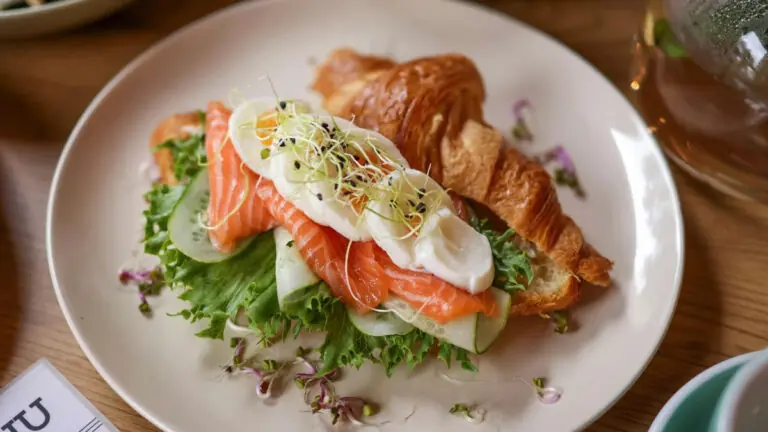
Another interesting source of iron, certain fish such as salmon, mackerel, sardines and tuna can be shallow-fried on a cast-iron tawa and served as a side dish with lunch. Healthy fatty acids and high proportions of iron make these types of oily fish a nourishing part of the diet plan. As you explore these nutritious elements in fish on World Health Day, dig into simple recipes to make grilled fish or baked fish for extracting maximum nutrients out of the lean protein.
Beetroot
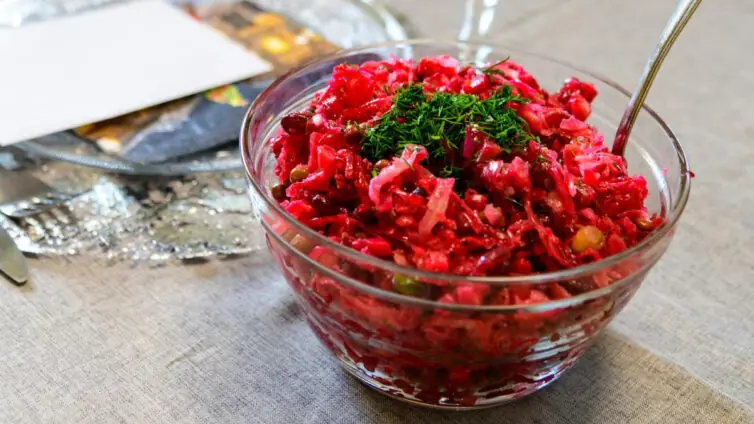
An essential root vegetable which is rich in iron, the bright purple, reddish beetroot is a must-have in the diet. Add beetroot to a salad or toss it in the oven to bake it this World Health Day, and incorporate it into a diet that is aimed at boosting overall haemoglobin levels. Having a glass of beetroot juice in the morning can be an easy way of harnessing its nourishing quotient. Add just a pinch of pink salt to beetroot juice for enhancing its flavour.
Nachni Or Foxtail Millet
Have it as a bhakri or turn it into the traditional ambil, nachni or foxtail millet is one local, regional iron-rich source that is quite inseparable from a nutrition-conscious diet aimed at improving overall energy and haemoglobin levels. Nachni is best consumed in late winters and summers. It boosts energy, its bright red hues are but symbolic of its iron-heavy quotient. This World Health Day, pair nachni bhakri with leafy greens and legumes, to cook a meal that is rich in protein, iron and scores of other micronutrients.
Eggs
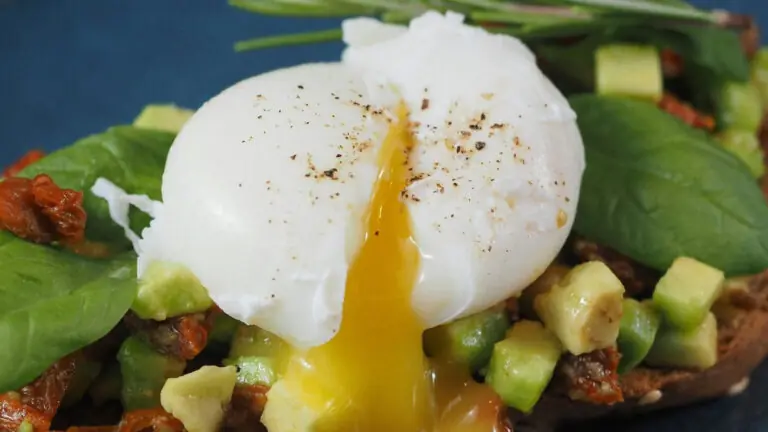
Wholesome protein sources that can be had as an omelette, fried, boiled, poached or baked, eggs are easy to cook and consume. Add them to your daily diet plan as enriching sources of protein and iron. Having an egg a day can really boost iron levels and overall health. Eggs are effective healthy food sources, especially because they can be cooked quickly, particularly on busy days, without compromising on nutrition.