Is Paneer Or Tofu Better For Your Fitness Goals?
Is Paneer Or Tofu Better For Your Fitness Goals?
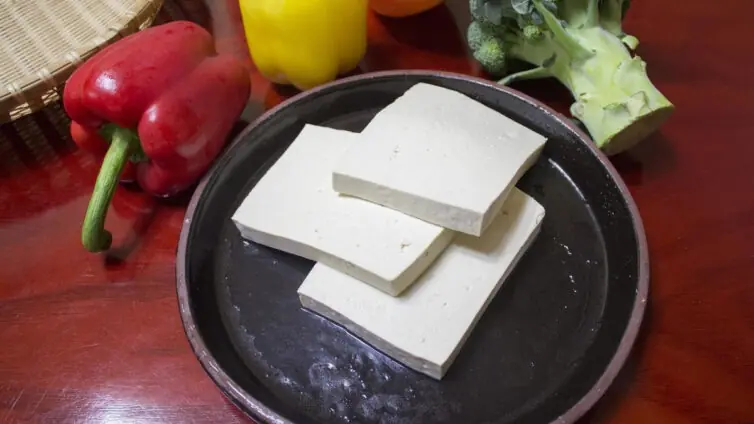


Paneer and tofu are both excellent sources of protein for vegetarians. The fitness-focus gastronome is however many times caught in a predictable quandary. Is paneer better or tofu? This paneer vs tofu contest, and choosing one over the other depends on one’s fitness and lifestyle choices.
When it comes to wisely choosing proteins for their stir-frys, curries and grilled tikkas, fitness-focused vegetarians often come across two essential ingredients: paneer and tofu. While both are nourishing and nutrient-rich sources, the choice between paneer or tofu can be determined by one’s fitness goals and food preferences. For a vegetarian fitness enthusiast comparing protein options, the paneer vs tofu conundrum is all too real and which one to opt for is a choice that comes with multiple deliberations.
Paneer Vs Tofu: How Are They Made?
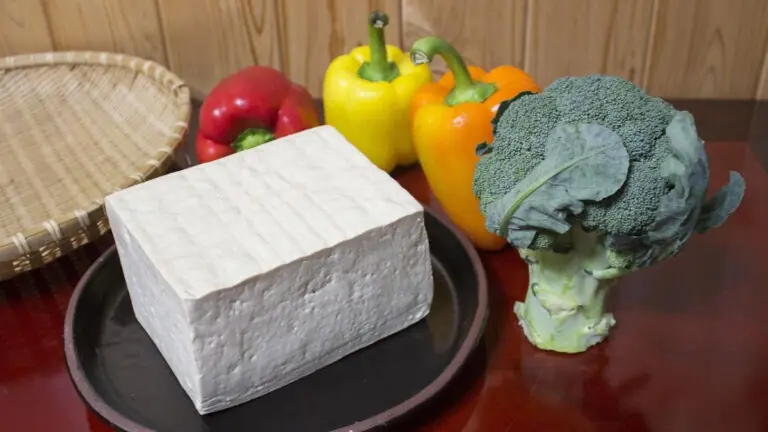
First things first, for a vegetarian fitness aficionado to make the choice between paneer or tofu, it’s essential to understand what goes into each protein. Put simply, paneer is made by curdling milk using an acidic agent and the curds are then drained of all water. The resulting creamy, protein-filled crumbles are nothing but paneer which can be stored as cubes, slices or left crumbled depending on whether they are being used to make a tikka in a griller or a curry in a kadai.
For its part, tofu is made from soy milk that is first coagulated into blocks. These blocks can then be shredded for use as garnishes over freshly chopped veggie salads or can be cut up into cubes that are added to Asian-inspired stir-fry recipes prepared in a wok.
In terms of taste and texture, paneer has a denser, creamier and slightly sweet flavour. It requires minimum marination time and can carry forward multiple robust tasting notes. Tofu on the other hand is mildly flavoured, quite subtle and has the capacity to absorb even the most delicate marinades. This means, the neutral flavour board that tofu offers makes it an interesting addition to recipes with pronounced acidic, tangy and pungent flavours.
Making The Choice: Nutrition Considerations

The paneer vs tofu dilemma begins with nutritional and calorific considerations for the fitness enthusiast. Paneer has a very high protein content, yet it is also quite calorie-dense and contains fats too. For its part, tofu is a leaner protein option and is slightly lower in calories. While choosing a protein for a particular meal, the paneer or tofu complication can be sorted by determining how many calories one wishes to pack into that particular meal.
Dietary Preferences
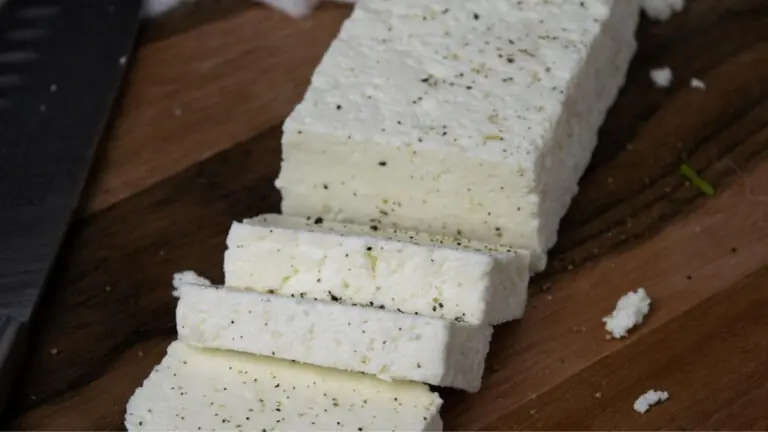
For vegetarians, another important consideration while making the choice in the paneer vs tofu contest is their individual dietary preferences. Since paneer is made from dairy and contains high proportions of lactose, it might be unsuitable for those who have adopted a vegan lifestyle or are intolerant to lactose. Tofu is an excellent protein for such fitness buffs since it is an essential source in an entirely plant-based, dairy-free diet. So too, paneer can be slightly heavier to digest for some, and tofu in such instances is a leaner and cleaner choice. It can be turned into a masala scramble, akin to a paneer bhurji, in a simple kadai as a warm dinner alternative.
Strength And Muscle
The fitness enthusiast often speaks in terms of lean muscle mass and good muscle gain. Both paneer and tofu have a significant role to play in the daily diet for maintaining muscle strength. However, since paneer comprises more protein per serving than tofu, when it comes to choosing between the two, the former is the more beneficial alternative for anyone building muscle mass, who requires higher energy. When enjoyed in controlled proportions as part of a paneer tikka masala or paneer makhani prepared in a heavy-bottomed cast-iron kadai, it can be used for muscle recovery too.
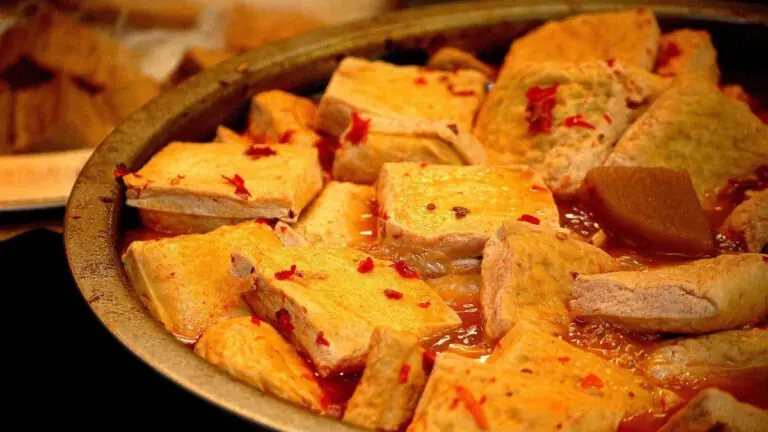
Lean tofu for its part is a low-calorie option for those wishing to cut down their weight or maintain a balanced number on the scale. Comparing these two protein options in this context, the choice leans towards tofu since it is lower in calories and fats. It is much easier to include tofu in a calorie-deficit diet and it can be mixed into salads, veggie bowls or curries as per one’s diet plan.
Fitness And Lifestyle Goals
A balanced composition of the diet plan will most definitely equalise the paneer or tofu choice to include both in one’s protein-rich vegetarian meals. On days that demand more energy expenditure, paneer can be the obvious alternative. On others, when the calorie intake needs to be kept to a minimum, tofu can be the go-to option. Either way, daily fitness goals and overall fitness tracking end up determining which protein to choose on any given day.

While there cannot be a one-size-fits-all choice in the paneer vs tofu contest, suffice to say that both have a prominent place in a vegetarian’s fitness-focused diet. Portion control, cooking techniques and dietary balance all determine which one to choose. One can also opt for paneer and tofu on alternate occasions when the meal is so planned that it should comprise either of these protein sources.
Paneer Vs Tofu: Recipe Options
Even the recipes in which each protein is used greatly influence which one is the best choice for a given meal. When it comes to stir-frys laced with soy sauce, vinegar and light chilli oil, the subtly flavoured tofu emerges as the top contender. Making curries, tikkas and grilled skewers for a protein-rich meal? Look no further than blocks of freshly-made paneer as clever options that absorb a lot of flavour.

Prepare a grilled paneer tikka or a paneer bhurji or add crumbled paneer to salads and wraps for upping its intake. On the other hand, use tofu as an accompaniment with veggies like mushrooms, cabbages, carrots and shallots in stir-frys, with other proteins like sprouts in a cold salad and as a crumble over a healthy rice bowl to fulfill the lean protein needs of the day.