Beyond Dairy: Top 10 Calcium-Rich Foods for Strong Bones and Teeth
Beyond Dairy: Top 10 Calcium-Rich Foods for Strong Bones and Teeth



Calcium is one of the most significant nutrients for the human body, which is good for muscle strength and bone density. Many have complained of not getting enough calcium only through dairy products. Here is good news for each one of you who is looking for calcium beyond dairy products or is allergic to them. Everyone has been persuaded to drink milk twice a day; however, now you have found a list of foods that can be a substitute for all your dairy products and are rich in calcium.
The Harvard T.H. Chan School of Public Health states that calcium is also crucial for blood clotting, aiding in healthy muscle contractions and controlling heart rate and neuron activity. According to the National Institute of Health, people between the ages of 19 and 50 should consume at least 1,000 mg of calcium daily. This indicates that obtaining the right quantity of calcium from your diet is essential for optimal bodily function. The most natural and efficient approach to maintain your daily calcium intake is through your diet, even though calcium supplements are very beneficial for kids and people of all ages. Fortunately, there are plenty of foods that naturally contain high quantities of calcium, so you may quickly meet your daily objectives by including 10 of these in your meals.
Tofu
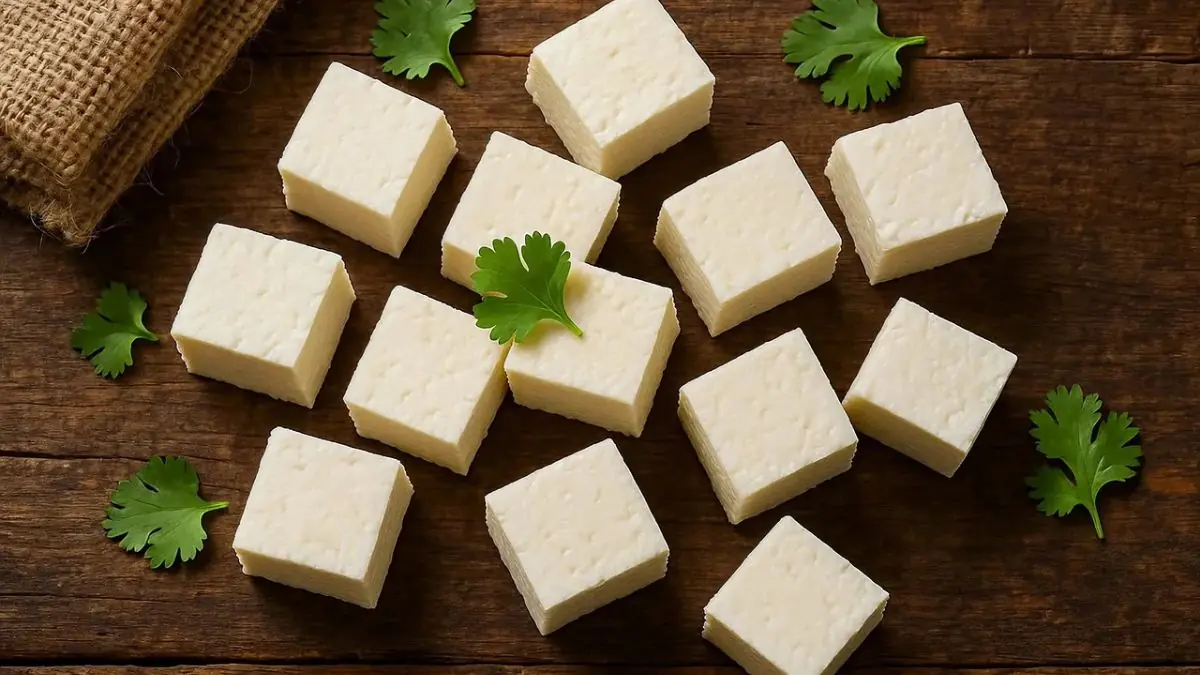
A versatile plant-based option, tofu is often fortified with calcium, making it an excellent choice for vegetarians and vegans. According to the USDA, 100 gms of tofu can contain around 372 mg of calcium, which makes it equal to or even more beneficial than traditional dairy sources. Tofu is also considered a great meat substitute, so use it in dishes the same way you would chicken for a delicious, nutritious meal. Tofu is available in various forms, and identifying the right one to employ will enable you to enhance the flavours, textures, and plain quality of your food.

Almonds
India’s love for badam (almond) is well placed. You can add badam to a variety of foods for that crunchy taste, but it also packs a wallop nutrition-wise. 100 grams of calcium contain 270 milligrams of calcium. That’s nearly 25% of an adult’s daily requirement of calcium. A cup of almonds can add as much as 385mg of calcium in one go! Almonds are also rich in protein and good fats, so adding this ‘super food’ to your diet is a real health hack.
Figs
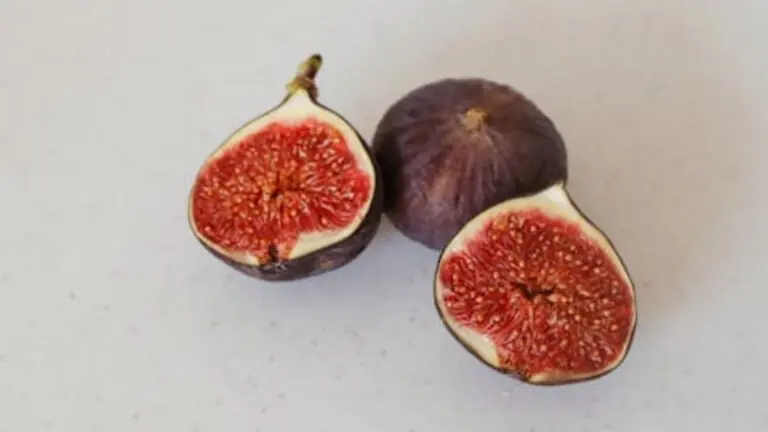
Figs, known as “anjeer” in India, are a seasonal and highly perishable food item that are packed with nutrients. Commonly consumed as dry fruits, figs are recommended by fitness experts to maintain a balanced and healthy diet as they boast various health benefits. They are rich in a host of minerals, namely potassium, calcium, and magnesium. Additionally, they comprise antioxidants, including Vitamin A and Vitamin L, both of which shield the body against tissue damage, helping maintain one’s overall health. It is also believed that figs, both the fresh and dry varieties, are a potent source of iron, which is a mineral that is instrumental in the growth of women. And this is just scratching the surface!
Ragi Flour
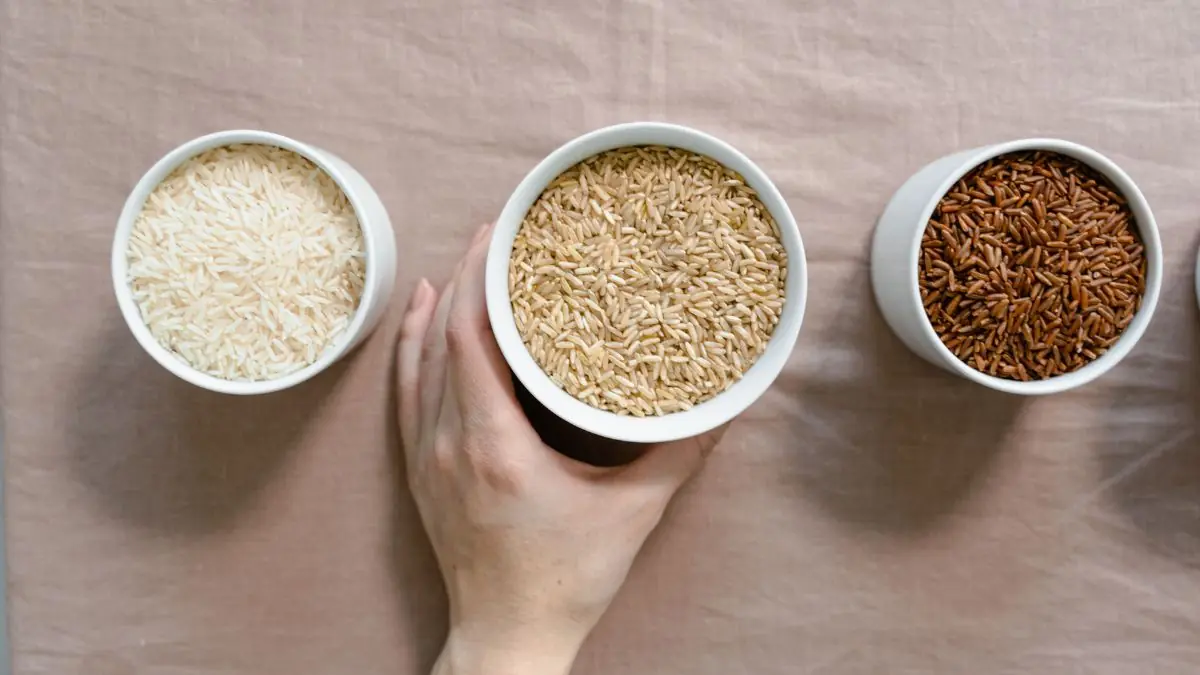
Ragi, or finger millet, is a gluten-free grain that has gained popularity due to its nutritional benefits. Ragi flour can be used to make a variety of dishes. One common way to consume it is by preparing ragi porridge, which is made by cooking ragi flour with water or milk and sweetening it with honey or other natural sweeteners. Ragi flour can also be used to make rotis, pancakes, or baked goods like cookies or muffins. Its nutty flavour adds a pleasant taste to the dishes while providing a significant amount of calcium. It is an excellent source of calcium, with around 350 mg of calcium per 100 grams.
Amarnath Leaves
Amaranth leaves are highly nutritious and rich in calcium. These leaves have a mild and slightly tangy taste. To incorporate them into your diet, you can cook them as a vegetable by sautéing them with onions, garlic, and spices. They can also be added to soups, curries, or stews for added flavour and nutrition. Amaranth leaves can be enjoyed as a side dish alongside rice or rotis. Additionally, you can use them as a replacement for spinach in recipes like omelettes, quiches, or pasta dishes. Amaranth leaves provide around 215 mg of calcium per 100 grams.

Lentils And Beans
Beans and lentils such as chickpeas (chana), black lentils (urad dal), and green lentils (moong dal) are not only rich in protein but also provide calcium. These legumes are staple ingredients in Indian cuisine and are used in a variety of dishes, from curries to soups and snacks. Beans are nutritional powerhouses that boast calcium. A cup of canned white beans, for example, has more calcium (191 mg) than half a cup of milk (149 mg). For dried beans, soak them in water for a few hours, toss the water, and then cook the beans in fresh water.
Oranges
A great source of vitamin C, oranges have a high content of calcium, too. Having a glassful of orange juice in the morning can provide the right amount of calcium to the body. Thanks to its vitamin C content, this humble fruit can also help boost immunity. Who knew that simple oranges could do a lot? A medium-sized orange contains 0 grams of fat, 250 milligrams of potassium, 15 grams of carbs, and roughly 80 calories. With over 60 flavonoids and 170 distinct phytochemicals, orange competes with apple for the title of the healthiest fruit.

Bananas
Banana is among the most consumed fruits in India. But did you know that bananas are a great source of calcium? Not just calcium, it is also rich in fibre and other essential minerals. Consumption of bananas is good for digestion, the immune system and it also keeps a check on blood sugar levels. Bananas are also known for developing lean muscles, supporting bone health and helping the body recover quickly after a workout. Eating 1 banana regularly helps reduce stomach bloating and helps keep you full for long hours; therefore, it supports your diet as well.
Hazelnuts
More minerals like calcium, vitamin E, magnesium and healthy fats are present in hazelnuts, as known from the study mentioned in the article by the National Institute of Health. They can be consumed in several ways to bridge the shortfall in calcium consumption. One may have them either as a snack, raw, or as ingredients in appetisers such as salads, yoghurt or muesli or by adding chocolate. Furthermore, one can sprinkle them on various treats and baked products. Besides, mashed hazelnuts can be used in different dishes as spreads and sauces for flavour and nutrition.
Sesame Seeds
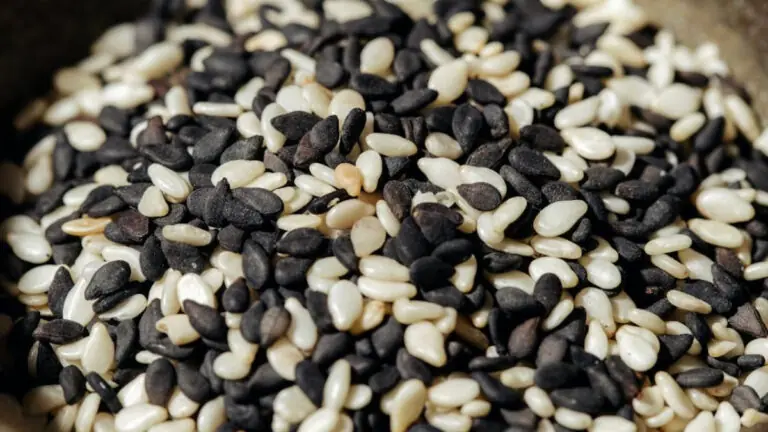
Though it might seem unlikely, sesame seeds are one of the most calcium-dense foods around with 975 mg of calcium per 100 gms according to the USDA. To get more out of these tiny powerhouses, make a homemade tahini sauce and whip it into dips like hummus or as a spread on its own to enjoy the calcium boost. They offer a convenient supply of plant-based protein and are loaded with nutrients like fibre, good fats, vitamins, and minerals. Sesame seeds, which come in black and white variants, give your food a nutty, crunchy flavour and texture. The numerous advantages of sesame seeds aid in enhancing your skin, hair, and general wellness.