Tracing The Delicious Journey Of The Samosa Across Borders
Tracing The Delicious Journey Of The Samosa Across Borders
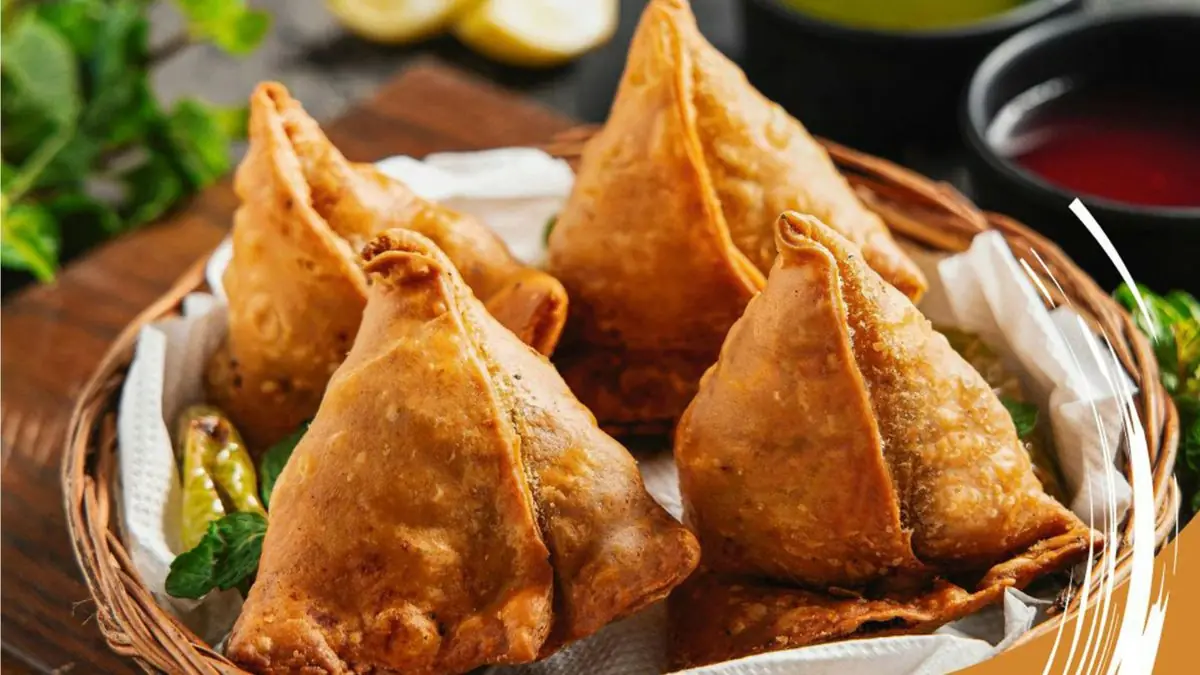


Throughout history, one deep-fried snack which has reigned supreme across several culinary cultures is the samosa. A crisp samosa with a soft interior stuffing has no territorial boundaries. In a centuries-long and interesting journey, the samosa made its way to the Indian subcontinent where it found a permanent home in the region’s street food cultures.
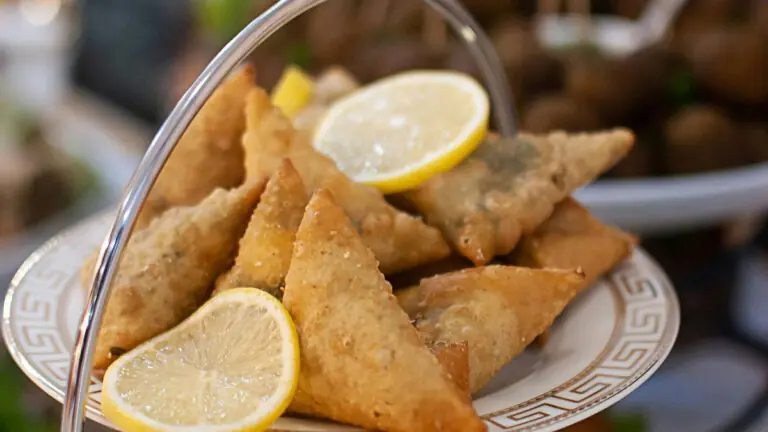
When one thinks about street food in the Indian subcontinent, a popular snack that pops into mind is the samosa. A deep-fried triangular goodie with a crisp exterior that wraps a soft stuffing, the samosa actually came to Indian regions after much travel. The street food enthusiast who loves origin stories and culinary histories would be interested to know that before the samosa became a favourite after-school snack, it was in fact a baked treat popular in the 9th and 10th centuries in central and western Asia. From here, it journeyed into the Indian subcontinent where the practice of wrapping potato stuffing in a patty and deep frying it until crisp and golden brown was mastered by culinary experts in the making of the samosa we recognise today. Served with mint chutney and a helping of thick tamarind chutney, samosa now comes to us in varied forms: one can simply munch on the snack as it is, or have it in the form of samosa chaat, or as a gourmet miniature samosas and even as samosa pav.
Ancient And Medieval Roots
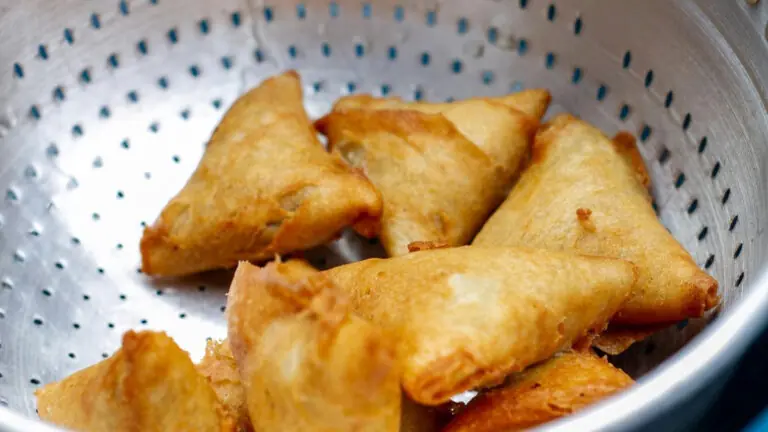
Crisp, adaptable and enduringly delicious, the deep-fried samosa was very different in the early ages than what it is today. Incidentally, Asian and Persian middle-aged cultures preferred the baked samosa (one we concoct in the air fryer or convection today!) and it is believed to have been called the ‘samsa,’ a meat-filled pastry served as a favoured snack. The stuffing for this ancient delicacy was prepared using minced meat, onions and assorted aromatic spices. In fact, early Persian literature does mention the ‘sanbosag,’ a triangular pastry that was quickly garnering a lot of popularity in the royal courts. This early fame would soon make the triangular shape of the snack one of its iconic, defining features.
Samosa Travels To The Indian Subcontinent
This same samsa eventually found its way to the Indian subcontinent on horseback! Of course, it came via Arab traders and Turkic rulers sometime during the 13th or 14th centuries. Once it reached Indian kitchens, the samosa transformed dramatically. Not only did the meat stuffings make room for vegetarian options like peas, potatoes and lentils – now tossed as a sabzi in the fry pan – it also became a deep-fried snack, complete with that favoured audible crunch. Interestingly, every region introduced some of its own flair into the samosa such that distinct provinces across the subcontinent came up with their own versions, in a bold reimagination of a snack fried in the kadai.
Interestingly, this widespread popularity contributed to bringing the samosa out of royal courts and affluent spaces. It soon became a democratic snack reimagined in such ways that it could be enjoyed in all regions and social settings.
Regional Indian Samosas
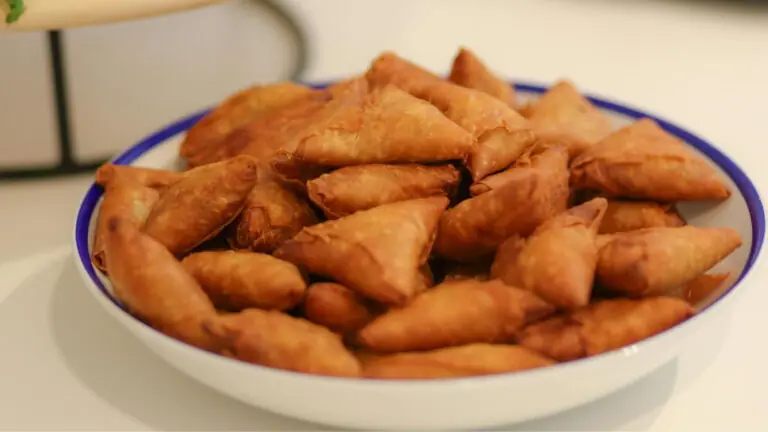
Within diverse Indian culinary spaces, the samosa found its own way of thriving. The basic structure remained the same: it was still a singularly delicious deep-fried triangular treat filled with a spicy, savoury filling. But in every region, this translated into a stuffing that resonated with local flavours and ingredients.
– In northern India, samosas evolved as large snacks, packed with spiced potato fillings, served most commonly with chaat-like mint and tamarind chutneys.
– Traditional Bengali cuisine refers to the samosa as the shingara, a smaller, slightly flakier snack filled with peanuts, cauliflower and even minced meat.
– Samosas are also a very popular snack in Hyderabad. Here, this street food is prepared with a minced meat stuffing flavoured with subtle spices. A thinner pastry is what distinguishes the Hyderabadi samosa from its other regional counterparts.
– Filled with onions or lentils, southern Indian samosas are a brand of their own. They are small and crisp and often found in bakeries or in small, street side shops.
Samosa’s Global Journey
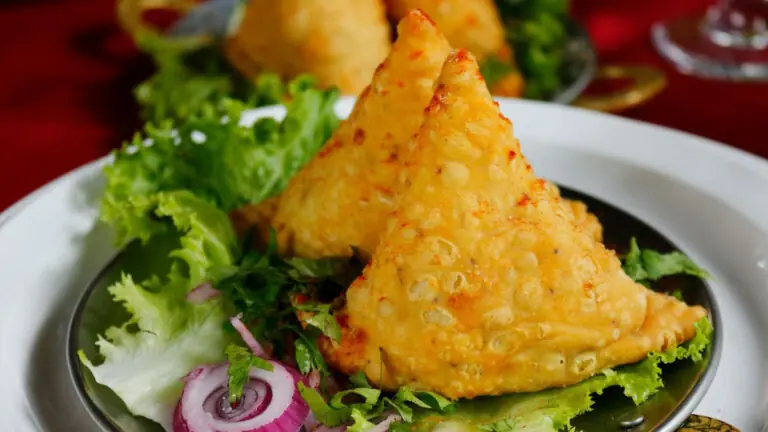
However, samosa’s journey hardly concludes following its arrival to Indian provinces. This time, it was Indian travellers and traders migrating to distant lands who took the samosa with them. The street food travelled and once again, it adapted itself to the changing geography.
For instance, the samosa reached the African continent where Kenya, Tanzania and South Africa witnessed the creation of a spicier snack often filled with different types of meat, cheeses, beef and lentils. In the United Kingdom, the samosa became an integral part of British-Indian cuisine: a crunchy, tropical and often vegetarian treat. Today, the samosa has also travelled to America where different fillings are tried and tested. Spinach and feta samosa, chocolate samosa and quinoa and vegetable samosa are varieties which bring the long, leisurely travels of this age-old snack into the modern age.
Samosa Endures: From Street Food To Fine Dining
One of the more interesting reasons that the samosa has endured through so many changing eras is because of its sheer simplicity which creates space for versatility. Chefs have begun to deconstruct the samosa, miniaturise it, bake it and generally experiment with it in different ways. Evidently, a samosa is now available everywhere, from roadside carts to airline meals to artisanal bakeries to tasting menus in high-end restaurants.
A journey of movement, adaptation and reinvention, the samosa truly enjoys a reputation for being one of the most delicious snacks across global cultures. It is a snack which wonderfully balances tradition with reinvention, history with contemporaneity and stories with lived experience. Whether it is a large potato-filled samosa gorged upon on a rainy day or a small, crispy patti samosa savoured after school, the crackling sound and spicy, savoury goodness of the snack remain etched on the palate long after it has already been devoured.