Notifications x
  • Please to see notifications
X
History
all results for ""

Rajasthani Gatte Ki Sabzi: The Ultimate Guide To Preparing The Staple

Verification badge
share

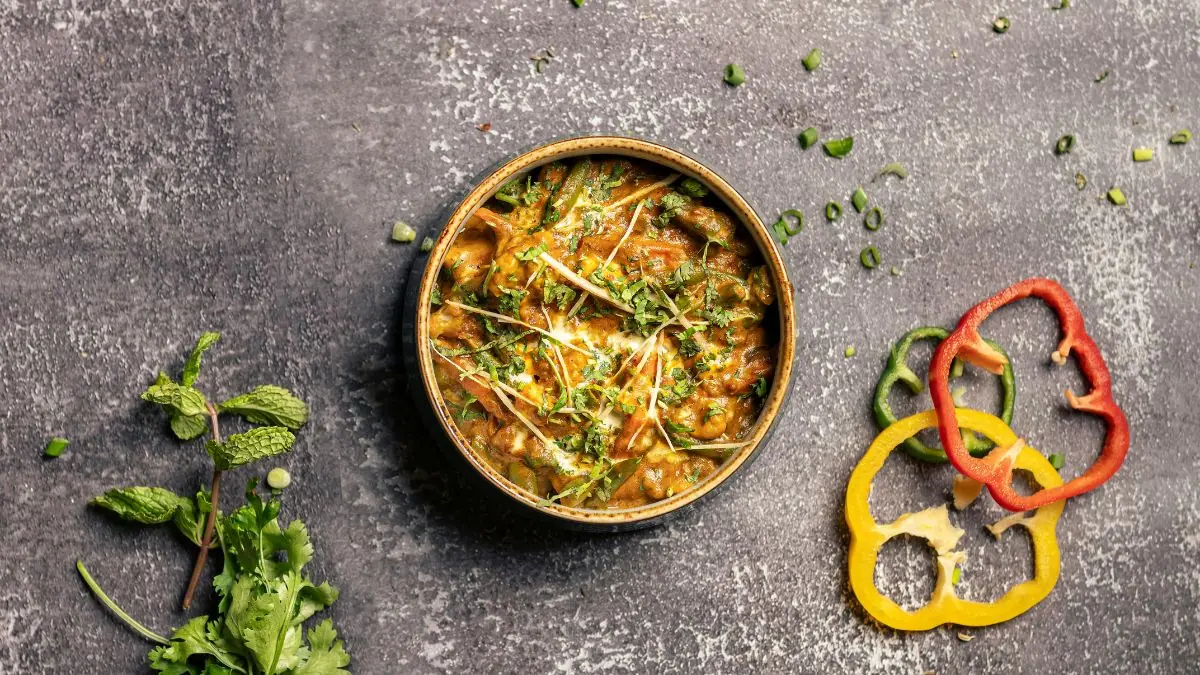
From the dunes of Rajasthan comes a cuisine that is so rooted in complex tasting notes that it delivers a depth akin to the looming sandy hills of this desert. One such Rajasthani staple is the gatte ki sabzi, a classic Marwari dish in which gram flour dumplings are cooked in a tangy, spicy gravy, leading to a delicious desert-land comfort food. Preparing the gatte ki sabzi at home is quite straightforward but requires just a tad bit of cooking time.

prep time 00 Hour 15 Mins
cook time 00 Hour 30 Mins
chef Team Kitchen Diaries

Culinary diversity across the Indian subcontinent is as diverse as all the different regions themselves. Every place has its own cultural moorings, geographical landscapes and rich histories that translate into the culinary preparations that territory produces. Of majestic dunes and an ancestry rooted in royalty comes the cuisine of Rajasthan, known for its light spice and delectable ingredient combinations.

Rajasthani cuisine features different desert cultures. From the dal-bati churma to the ker sangri to laal maas, every dish tells the story of the rich heritage of this desert. And one such dish which is staple to Rajasthani cuisine is the gatte ki sabzi. This Marwari curry is essentially made by tossing gram flour dumplings in a spicy and tangy gravy.

In the absence of fresh vegetables in Rajasthan’s dunes, the gatte ki sabzi becomes a good substitute. It packs robust flavours, a pleasant tang and just the right amount of density which comes from the gatte, or the gram flour roll

Read More
Step 1

To make the gatte, combine besan, curd, ghee or oil, ajwain, red chilli powder, turmeric and crushed fennel seeds. Add salt as required and knead into a soft dough.

Step 2

Roll the gatte into medium-sized cylindrical logs.

Step 3

Boil water in a wide pot and add the gatte to them. Steam for about 8-10 minutes until the besan dumplings start to float. 

Step 4

Bring the gatte out of the water and allow them to cool slightly before slicing into smaller pieces.

Step 5

To prepare the gravy, whisk curd and besan into a smooth mixture.

Step 6

Heat ghee in a pan and add hing, jeera, green chilli and ginger. Sauté lightly until the spices release their aromas.

Step 7

Now, add all the dry spices and sauté again. Add the whisked curd mixture gradually, stirring continuously.

Step 8

Add water and simmer gently for about 8-10 minutes, stirring well to avoid curdling.

Step 9

Add the boiled gatte to the simmering gravy and cook for another 10 minutes until they absorb the gravy’s flavours.

Step 10

Sprinkle kasuri methi and garnish with coriander. Serve the gravy warm with missi roti or jeera rice.

Tips and Tricks

1 To blend the curd and besan into a smooth mixture, use a TTK Prestige Hand Blender that will integrate the two ingredients into a velvety, silky concoction. A well-aerated curd and besan mixture will lead to a creamy and luxurious gravy.

2 The besan dumplings for the gravy need to be boiled enough to cook them from the inside, without making them soggy. A TTK Prestige Tri-ply Stainless Steel Induction Base Tope will come in handy for this purpose. It is a vessel big enough for the gatte to boil and float to the top.

3 For making the gatte ki sabzi, use a sturdy fry pan or heavy-bottomed kadai that will cook the gravy evenly without overbrowning it. Choose the TTK Prestige Omega Select Plus Superior Non-stick Coating Round Base Kadai to prepare the gravy. The non-stick kadai will prevent the creamy mixture from sticking to the bottom of the vessel.

4 Another cooking technique for softening the gatte is to steam them in a pressure cooker. The TTK Prestige Popular Svachh Hard Anodised Pressure Cooker can come in handy. The gatte will steam perfectly in the pressure cooker, without turning too watery or soggy.

5 For those who prefer to put a more indulgent spin on the gatte ki sabzi, shallow-frying the besan dumplings can give them a crispy, pakora-like texture that is thoroughly delicious. Use the TTK Prestige Fry Pan to shallow-fry the gatte in minimum oil.

Frequently Asked Questions

Gatte might break apart when the dough is too soft. Rolled into cylindrical shapes, the soft gram flour dough might not have enough structural integrity to hold this shape when immersed in boiling water. So, ensure the dough for the gatte is malleable enough to be moulded into cylinders, yet not so soft that the gatte fall apart. 

Gatte ki sabzi acquires its tangy nuance when it is prepared using regular curd that is slightly sour. So, instead of using full-fat curd, go for the sour, homemade curd to make this curry.

If there are clumps in the gravy, it means the dish has curdled. Avoid this by cooking the sabzi on a low flame. Simmer it gently to reduce the risk of curdling.