Why Fenia Is Eaten During Karwa Chauth
Why Fenia Is Eaten During Karwa Chauth


Fenia or pheni is a light vermicelli that has always been part of Karwa Chauth customs. It is eaten before sunrise during the sargi meal and is linked to tradition, family blessings, and the practical needs of fasting.
Karwa Chauth is observed mainly by married women, where food and rituals are followed with great care. The fast is kept from sunrise until the moonrise and during this time no food or water is consumed. The meal taken before sunrise, called sargi, is therefore of high importance. Among fruits, sweets and other preparations, fenia is something that cannot be missed. It is placed in the thali with milk and sugar and eaten before the fast begins. The dish has been part of the festival for many generations, and its presence is not just out of habit but carries meaning. Some reasons are linked with health, others are bound with custom, and together they explain why fenia has never lost its place in Karwa Chauth.
A Food Chosen For Fasting Hours
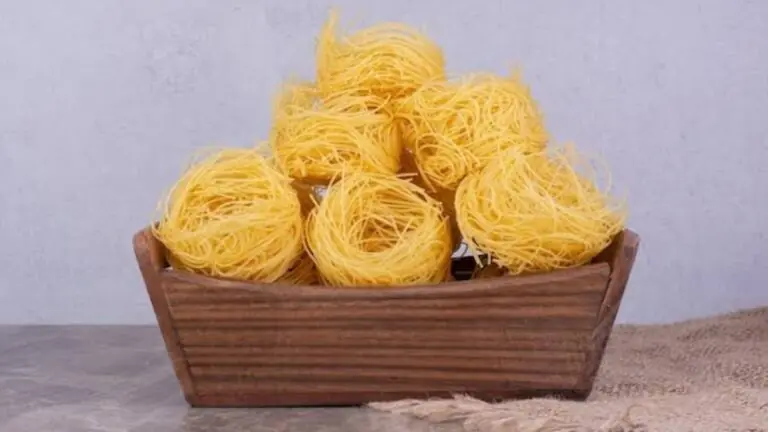
One of the first things to notice is how simple fenia is. It is prepared from wheat flour that is pulled into fine threads and later dried. When soaked in milk and sugar, it becomes filling but never too heavy. For women who are to stay without food and water for the entire day, this lightness matters. Too much oily or spicy food in the morning would only create discomfort and thirst, and the body would feel burdened. Fenia balances this by being gentle yet giving energy. The milk with which it is cooked also gives hydration and strength to sustain the day. This makes fenia not only a ritual item but also a practical choice for the pre-dawn meal.
Tradition Passed Through Families
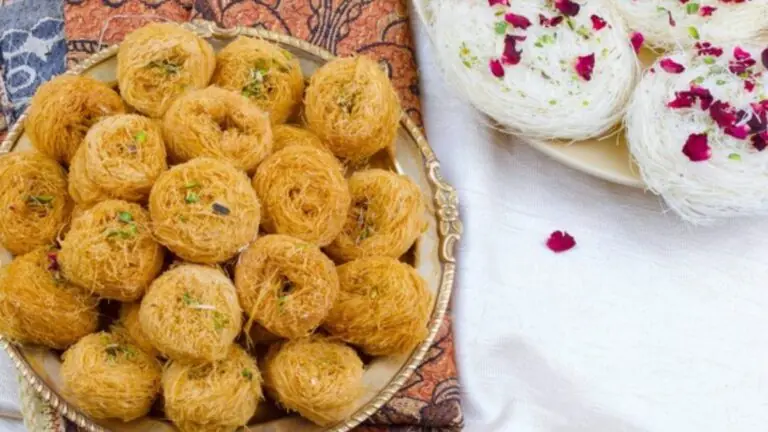
Beyond its nutritional part, fenia has a place in custom. The sargi thali is often given by the mother-in-law to her daughter-in-law, and fenia is always included. The gesture is treated as a blessing, almost like a promise that the fast will go well. In many homes the preparation of fenia is not done daily but only during festivals, so its presence on Karwa Chauth makes the occasion special. The act of eating it becomes more than food, it is a continuation of tradition that is handed down from one generation to another. Women recall their mothers or grandmothers making it, and by keeping the practice alive, they pass the same to the next.
The Symbol In The Threads
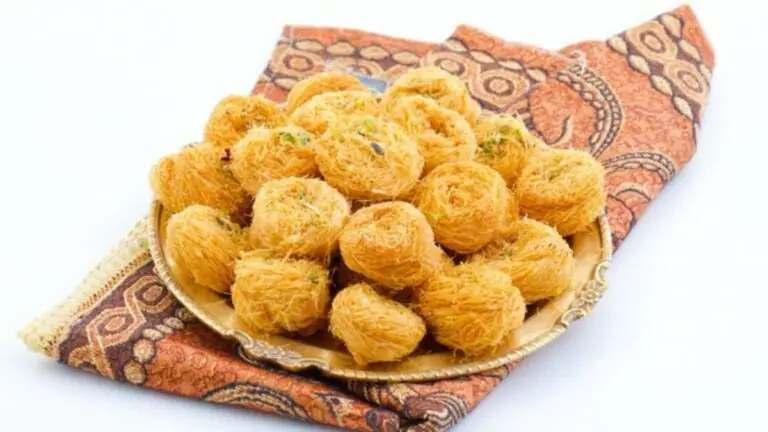
The fine strands of fenia have also come to hold symbolic meaning. Their delicate form is often spoken of as representing the bond of marriage. Fragile in appearance but strong when bound together, it reflects the ties of a household. Cooked with sugar in a deep pot, it carries the thought of sweetness in relationships, and with milk, it connects to purity. These ideas are not always explained in words, but they are felt in how the food is treated. The dish is never just eaten in a casual way during Karwa Chauth, it is given respect because of what it represents.
Market And Regional Differences
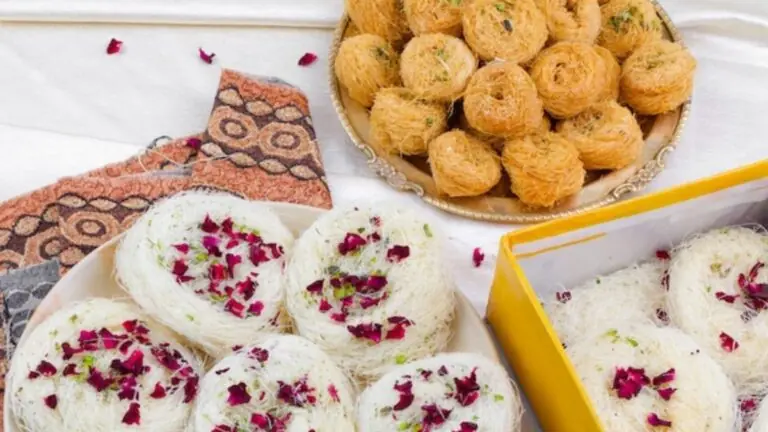
Markets in North India become crowded with trays of fenia in the days before Karwa Chauth. Shops prepare special packets, sometimes even tied with festive decoration, because the demand is so high. In Punjab, Haryana, Delhi and Uttar Pradesh, the presence of fenia in stalls is a sure sign the festival is near. Families may choose to make it rich with nuts and thick milk or keep it very plain. Both are considered correct because the central idea is that fenia must be part of the sargi, not the exact recipe. This regional variety shows how customs can adapt to local taste without changing their meaning.
Holding Relevance In Modern Homes
In present times, food habits have changed. Health concerns lead many to avoid sweets or heavy milk preparations. Yet when Karwa Chauth arrives, fenia continues to appear on the plate. Women may prepare a lighter version, or even buy a readymade pack to save time, but they rarely leave it out. This shows the strength of the ritual. Even when the rest of the diet has modern adjustments, this single dish remains untouched. The act of having fenia before beginning the fast becomes a link that joins the older ways with present life. Families recognise it as a connection to heritage, and women observing the fast see it as a source of blessing as well as nourishment.


