How To Make Paneer from Milk: A Step-by-Step Guide
How To Make Paneer from Milk: A Step-by-Step Guide
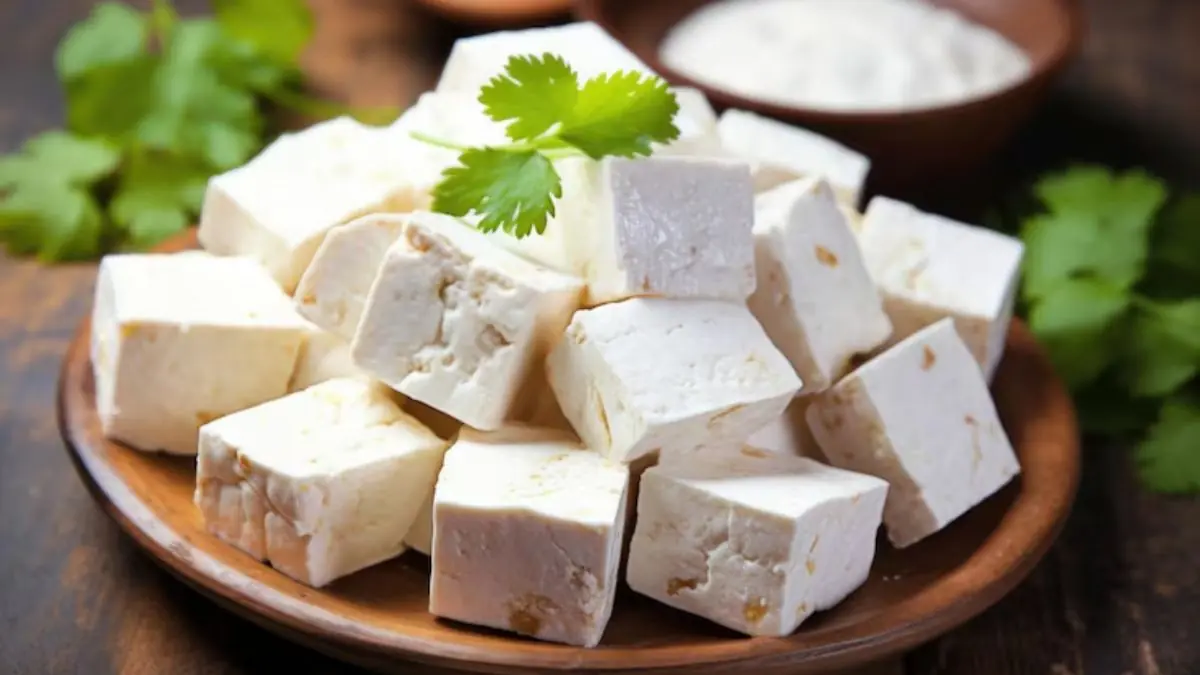


Making paneer from milk is like cooking 101. It is super easy and assures that the cottage cheese has no adulteration. From pepper to turmeric, you can add spices, aromatics, and herbs to infuse your regular paneer with invigorating notes.
Paneer is one of the richest ingredients in Indian thali. If you ask 80s or 90s kids, cottage cheese gravies were prepared on special occasions, like festivals, gatherings, weddings, etc. If you attend any Indian wedding, even today, especially in the north, it will have a paneer-based starter and gravy on the menu. It is also a popular substitute for non-vegetarian dishes in restaurants. Take a look at any menu, and the non-veg section will have chicken, mutton, fish, prawns, etc. But the vegetarian section will have at least 10 types of paneer curries.
Being a rich source of protein and healthy fats, cottage cheese is also beneficial for health. However, with time, reports of adulteration and contamination have left people scared about purchasing it from shops. But you don’t have to worry about it because paneer is probably one of the easiest milk-based products that can be prepared at home with minimal effort. It is, in fact, a solution to salvage curdled milk and transform it into something that everyone loves. Scroll to know how you can make paneer with milk, tips to ace the process, and variations you can create at home.
Ingredients
- 1 litre of milk
- 2 tbsp white vinegar/ lemon juice
- 2 tbsp curd
Instructions
- Pour milk into a heavy-bottom pan and bring it to a soft boil.
- Reduce it to a simmer and add either curd, lemon juice, or white vinegar.
- The sourness of lemon, vinegar, and curd breaks the milk compounds and coagulates them into protein solids. Stir the concoction, and turn off the heat.
- You will soon witness milk solids forming in the pan and milky liquid separating from them.
- Add a cheese or muslin cloth to a strainer and strain the concoction.
- Instead of throwing away the milky liquid, keep it aside and use it in gravies for extra flavour and depth.
- Wash the milk solids with clean, unflavoured, and cold water to remove the sourness.
- Strain the excess water, keep it covered with the damp muslin cloth, and keep a heavy weight on it for at least 30-40 minutes.
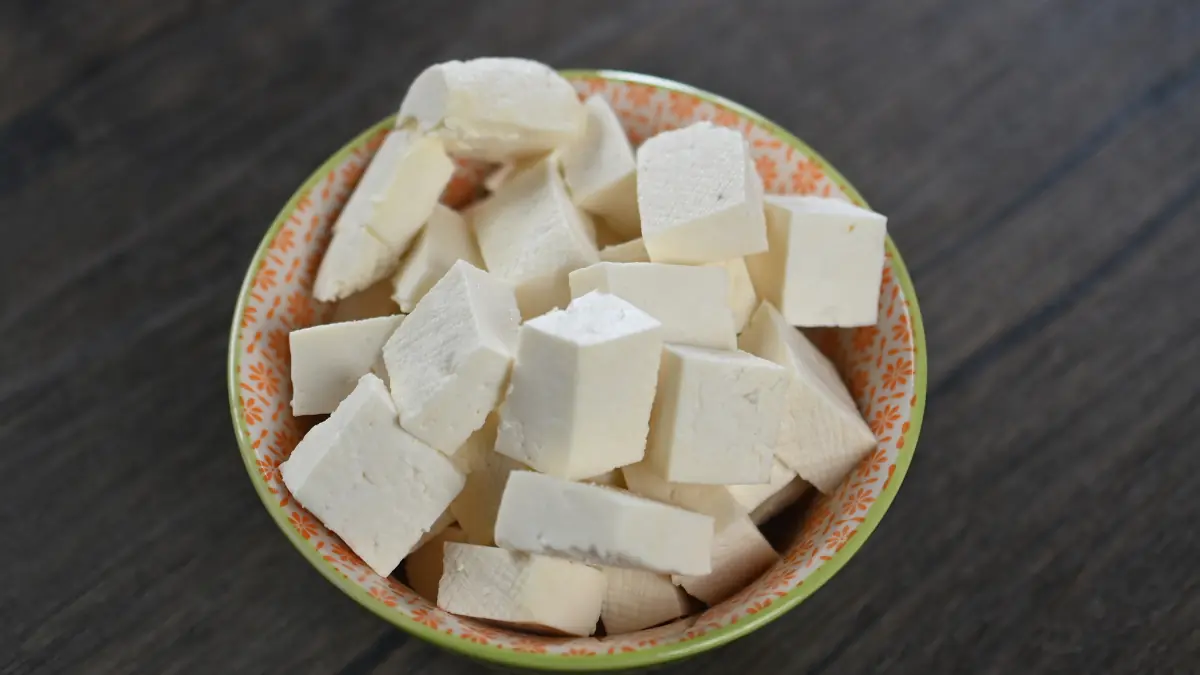
- The milk solids will bind to form a soft and spongy block of fresh paneer.
Different Variations Of Paneer
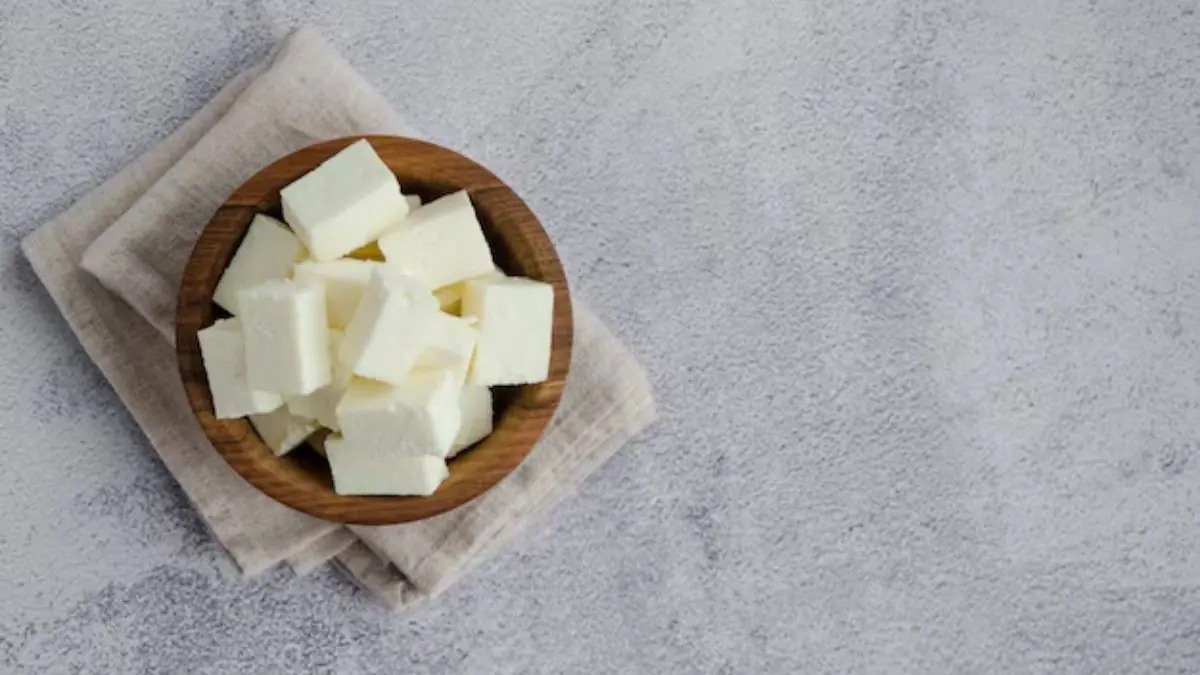
Have you been relishing only the plain paneer? While the non-flavoured variant is versatile, you can still experiment with it. By adding spices, herbs, and aromatics to the milk, you can prepare different types of paneer blocks. This will help you create more paneer recipes. It is also easier to incorporate different notes in paneer during the making process than when you are cooking it.
Spiced Paneer
Add cloves, cinnamon, and cardamom in a muslin cloth and dunk the potli in milk. While the milk simmers, it will absorb the flavours of the aromatic. When you turn down the heat, add freshly chopped coriander and a pinch of cumin powder. Add curd and lemon juice after 5 minutes. And keep stirring until the milk curdles and the whey is separated. The paneer cubes will have earthiness from whole spices, slight sweetness from cardamoms, and freshness from coriander. It can be added to any gravy base, and the recipe will turn out better than what you have been making for years.
Smoked Paneer
When you are heating the milk, add burning coal in a bowl, and place it in the centre of the saucepan. Pour ghee into the bowl and cover the pan with a lid. The dhungar method will add a smoky touch to the paneer. After 10 minutes of heating, add curd and lemon juice to the milk to boost the curdling process and set the paneer. This kind of paneer can be used for preparing barbecue dishes.
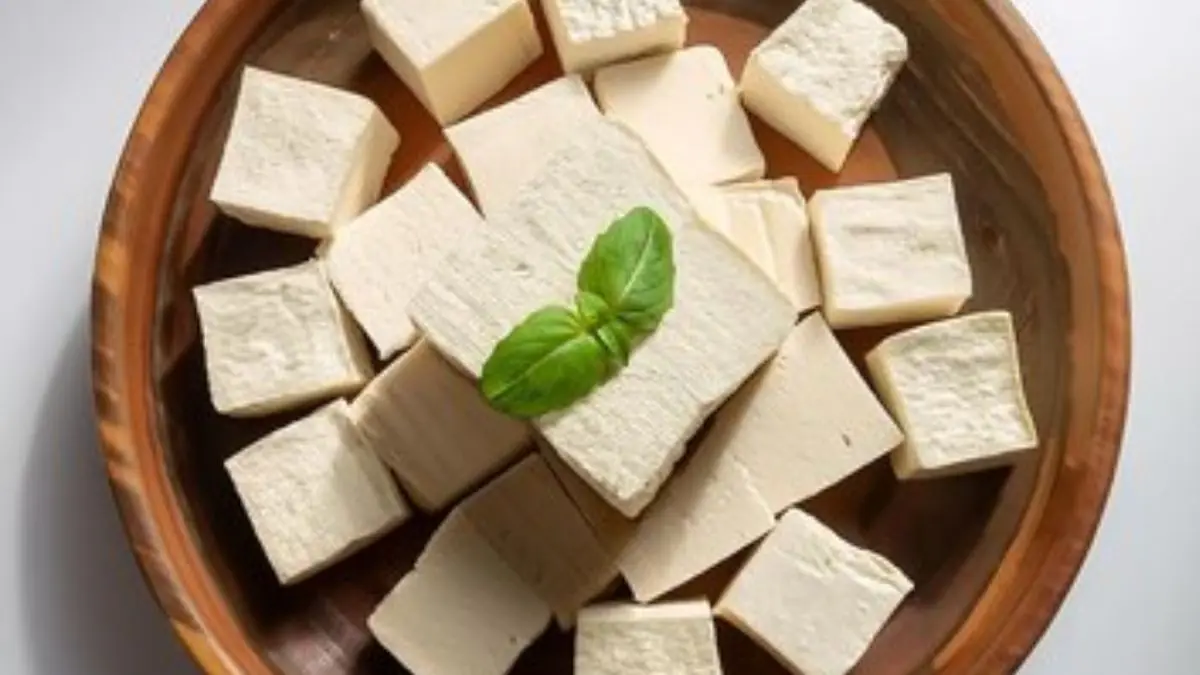
Turmeric Paneer
For this variety of paneer, you need a pinch of turmeric powder, a teaspoon of red chilli powder and chilli flakes, half a teaspoon of saunf (fennel powder), and a tablespoon of finely chopped mint leaves. Imagine the symphony of flavours – sweetness from fennel, heat from chilli flakes and red chilli powder, and refreshing sensations from mint. Another thing you will add to the milk with curd and lemon juice is a dollop of ghee. It will make your paneer extra soft and delicious. Since you have added turmeric and ghee, the milk will take more time to curdle, so add at least 3-4 tablespoons of lemon juice. You can also add a potli of clove, cinnamon, and black cardamom in the beginning.
Lemon Basil Paneer
While heating the milk, add citrusy lemon leaves and chopped basil leaves. You can also add lemon zest in a potli and dunk it in the hot milk. Once the milk has absorbed the flavours, you can add lemon juice and a little bit of ghee. Don’t forget to wash the curdled milk with fresh water to get rid of excess sourness. You can use this block of paneer to prepare Mediterranean or Mexican fusion dishes.
Black Pepper Paneer
This is another variant of paneer that stands for warmth. Every bite of this cottage cheese will give your taste buds a kick. When the milk is hot, add a teaspoon of crushed black pepper and a pinch of hing (asafoetida). The paneer will be fiery and pungent. Add ghee to make sure your paneer is soft and spongy, and save its water. The whey can be used later to add depth of flavour to the gravy.
Mistakes To Avoid While Making Paneer At Home With Milk
Making paneer is easy, but people often end up making mistakes that ruin the milk or texture of the final product. Just like you cannot complain to Chef Ranveer Brar about any of his recipes, because he tells every little detail, similarly, this article will cover all the bases so your cottage cheese turns out soft, spongy, and delicious.
- Using too much acid can turn the paneer sour. So keep the amount in check and wash the curdled blocks before setting the block.
- Once you add the acidic component, turn off the heat, and stir. If you keep subjecting the milk to heat, the paneer will turn rubbery.
- Don’t add curd, lemon juice, or vinegar too soon. The milk should be near boiling temperature or should have come to a soft boil.
- Nothing can replace a muslin cloth, not even your finest sieve. Milk solids at the time of straining are soft, can disintegrate, and pass through the sieve.