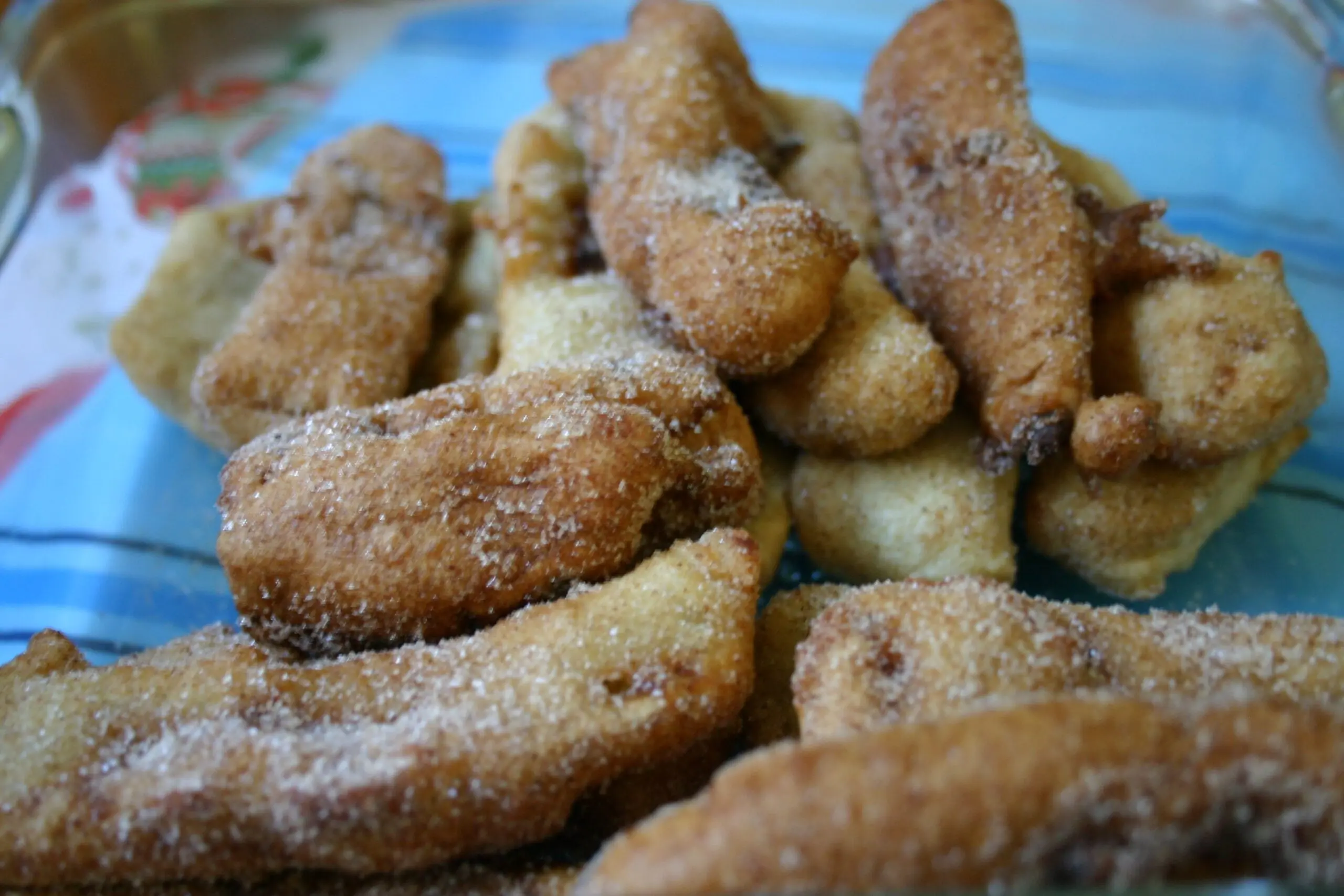
Indians are particular about their tea time, be it any state, culture or any region, each region has its own way to enjoy the tea time. Kerala is no different; tea time is not just a break, it’s an event here too. While the rest of India may turn to samosas, pakoras, or biscuits, in Kerala, a plate of freshly made Pazham Pori is often the highlight of the evening. Also called Ethakka Appam, this traditional snack features slices of ripe banana coated in a smooth, sweet golden batter and deep-fried..
The star ingredient here is the Nendram Pazham, a long, firm, and mildly sweet variety of banana that’s as iconic to Kerala as coconut trees and backwaters. When ripe, Nendram Pazham offers a deep yellow skin and a rich aroma that beautifully turns into fritters. Its soft texture, firm yet tender, ensures that the fritters hold their shape while offering a soft, almost creamy bite inside. However, Nendram Pazham isn’t always available outside Kerala. But worry not, we are here to help
Indians are particular about their tea time, be it any state, culture or any region, each region has its own way to enjoy the tea time. Kerala is no different; tea time is not just a break, it’s an event here too. While the rest of India may turn to samosas, pakoras, or biscuits, in Kerala, a plate of freshly made Pazham Pori is often the highlight of the evening. Also called Ethakka Appam, this traditional snack features slices of ripe banana coated in a smooth, sweet golden batter and deep-fried..
The star ingredient here is the Nendram Pazham, a long, firm, and mildly sweet variety of banana that’s as iconic to Kerala as coconut trees and backwaters. When ripe, Nendram Pazham offers a deep yellow skin and a rich aroma that beautifully turns into fritters. Its soft texture, firm yet tender, ensures that the fritters hold their shape while offering a soft, almost creamy bite inside. However, Nendram Pazham isn’t always available outside Kerala. But worry not, we are here to help, you can still make delicious Pazham Pori using other varieties of bananas. Just avoid overly soft or blackened ones, as they may not hold their shape and make the fritters soggy.
Pazham Pori is comfort food with deep cultural significance. Locals from the Kerala region recall growing up eating these fritters made by mothers and grandmothers, often served with steaming cups of chai on rainy evenings. Hotels and tea shops across the state also feature them on their evening snack menu alongside Parippu Vada (lentil fritters) and Uzhunnu Vada (medu vada).
The recipe itself is straightforward. A simple batter made from all-purpose flour, mixed with a pinch of turmeric for a slight yellow hue, a little sugar, and some water. Some people also add rice flour for extra crispiness, and a pinch of baking soda for a light, airy coating. Prepare the batter to the right consistency that helps hold its shape. Once dipped in this batter, the bananas are fried until golden, creating a mellow taste that contrasts between the crispy shell and the tender fruit within.
Served hot, Pazham Pori is best enjoyed fresh out of the pan. It’s wholesome and doesn’t require any chutney or dipping sauce. Let’s learn how to make them with easy tips and bring the taste of Kerala to your kitchen.