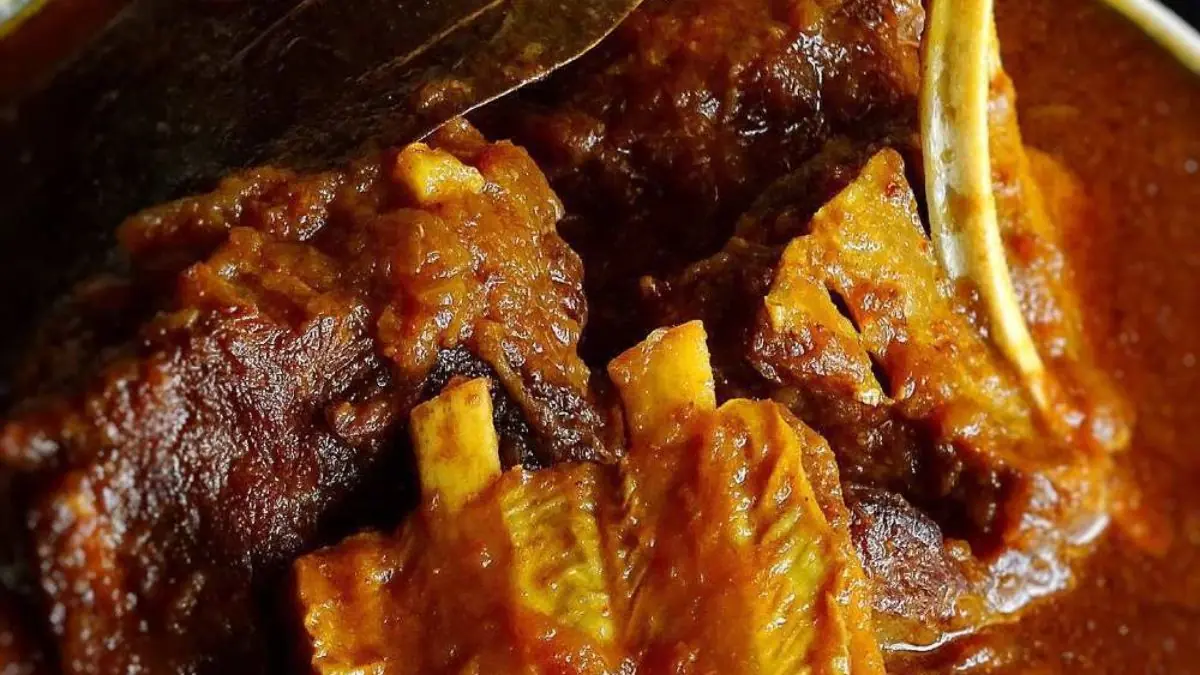
What truly makes the Kolhapuri mutton rassa sensational is the fiery Kolhapuri masala or chutney, which is essentially a red-coloured masala powder, which is a blend of many hot spices. It is this masala that makes most Kolhapuri dishes so fiery and punchy.
Kolhapuri cuisine is also heavily influenced by the local ingredients that are available in the region. The use of kokum, a souring agent, and the fiery Kolhapuri mirchi, a special variety of chilli pepper, are two examples of ingredients that are unique to the region.
The history of Kolhapuri cuisine can be traced back to ancient times when the region was ruled by various dynasties, including the Satavahanas, Rashtrakutas, and Marathas. The Maratha Empire, which ruled over the region in the 17th and 18th centuries, had a significant influence on the cuisine of Kolhapur. The Marathas were known for their love of rich and flavourful foods, and this influence can be seen in many of the dishes that are popular in Kolhapuri cuisine
What truly makes the Kolhapuri mutton rassa sensational is the fiery Kolhapuri masala or chutney, which is essentially a red-coloured masala powder, which is a blend of many hot spices. It is this masala that makes most Kolhapuri dishes so fiery and punchy.
Kolhapuri cuisine is also heavily influenced by the local ingredients that are available in the region. The use of kokum, a souring agent, and the fiery Kolhapuri mirchi, a special variety of chilli pepper, are two examples of ingredients that are unique to the region.
The history of Kolhapuri cuisine can be traced back to ancient times when the region was ruled by various dynasties, including the Satavahanas, Rashtrakutas, and Marathas. The Maratha Empire, which ruled over the region in the 17th and 18th centuries, had a significant influence on the cuisine of Kolhapur. The Marathas were known for their love of rich and flavourful foods, and this influence can be seen in many of the dishes that are popular in Kolhapuri cuisine today.
In addition to the Marathas, the cuisine of Kolhapur has also been influenced by the neighbouring regions of Karnataka and Goa, as well as the Portuguese who arrived in India in the 16th century. Kolhapuri cuisine is also heavily influenced by the local ingredients that are available in the region.
This authentic Kolhapuri mutton rassa recipe is a must-try for those who love to eat spicy food. In addition, this Maharashtrian mutton dish is perfect for serving guests at lunch or dinner parties. So, prepare this delicious Kolhapuri mutton rassa at home and woo your guests with your culinary skills. There is a party vibe in the air, and winter is upon us. Give this dish a try and have fun. Cooking it is straightforward.
It is a rich blend of spices made from bone-in mutton pieces simmered till they become succulent. The beginning of your dinner is worthwhile when the mutton is immersed in Kolhapuri spices. One of the most popular starting dishes among fans of Kolhapuri cuisine is this one. Because the mutton is cooked in its own fat and juices, this dish has a distinct flavour and texture.
It is also called the Tambada rassa. The name “tambada” means “red” in Marathi, which is the local language of Maharashtra, and “rassa” means “gravy” or “sauce”. The curry is typically made with mutton, but chicken can be used as well. Onions, garlic, ginger, and a blend of aromatic spices are used to make the thick gravy.
The spices used in Tambada rassa include coriander, cumin, turmeric, red chilli powder, and the fiery Kolhapuri mirchi, which gives the dish its signature spiciness. The dish is slow-cooked on a low heat to allow the flavours to blend and develop. The result is a rich, spicy, and flavourful gravy that is perfect for dipping bread or can be served with steamed rice.