Makar Sankranti, known as Poush Sankranti in Bengal, is a harvest festival celebrated with traditional fervour and a delectable array of sweets made primarily from freshly harvested rice, date palm jaggery (nolen gur), and coconut. These dishes reflect Bengal’s rich culinary heritage and are a treat for the taste buds. The sweets prepared during Makar Sankranti in Bengal are deeply tied to the region’s agricultural roots. The use of freshly harvested rice and date palm jaggery celebrates the season’s bounty and showcases the ingenuity of Bengali cooks in creating diverse flavours from simple, local ingredients.
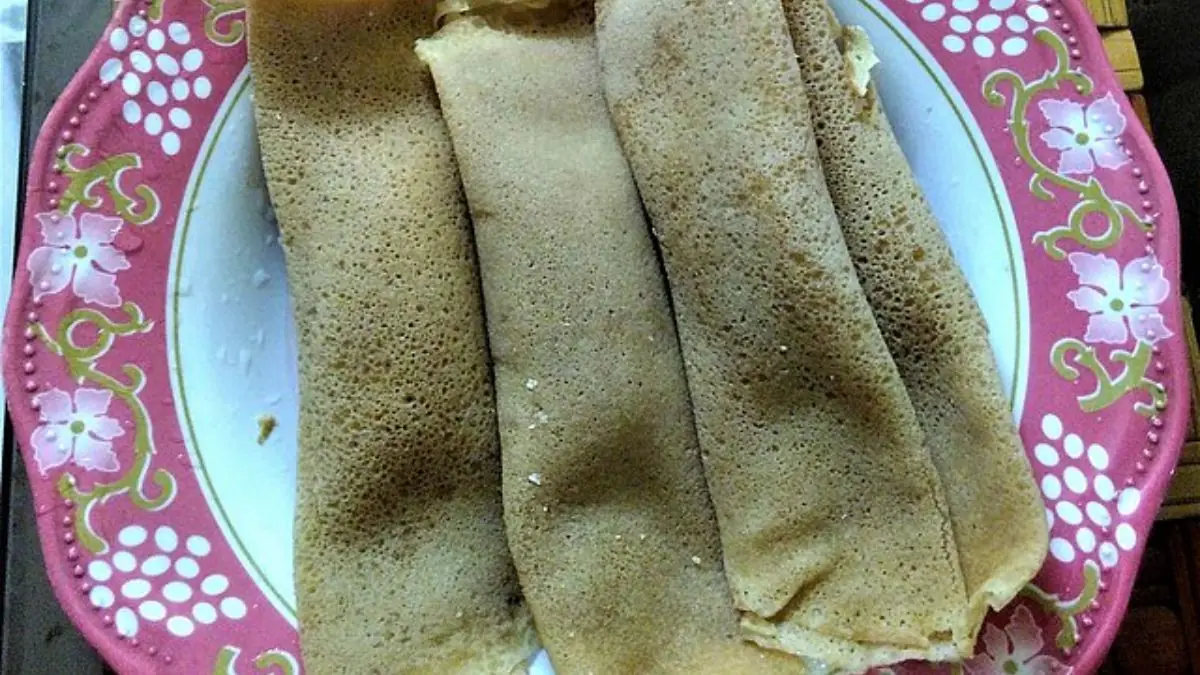
Patishapta is a quintessential Sankranti dessert that resembles thin crepes stuffed with a sweet filling. The batter is made from rice flour, semolina, and milk, while the filling consists of grated coconut, khoya, and nolen gur. These delicate rolls are soft, aromatic, and melt-in-your-mouth delicious, often served warm during the festivities. Every variant of patis
Makar Sankranti, known as Poush Sankranti in Bengal, is a harvest festival celebrated with traditional fervour and a delectable array of sweets made primarily from freshly harvested rice, date palm jaggery (nolen gur), and coconut. These dishes reflect Bengal’s rich culinary heritage and are a treat for the taste buds. The sweets prepared during Makar Sankranti in Bengal are deeply tied to the region’s agricultural roots. The use of freshly harvested rice and date palm jaggery celebrates the season’s bounty and showcases the ingenuity of Bengali cooks in creating diverse flavours from simple, local ingredients.
Patishapta is a quintessential Sankranti dessert that resembles thin crepes stuffed with a sweet filling. The batter is made from rice flour, semolina, and milk, while the filling consists of grated coconut, khoya, and nolen gur. These delicate rolls are soft, aromatic, and melt-in-your-mouth delicious, often served warm during the festivities. Every variant of patishapta offers unique flavours and textures. From sweet to savoury fillings, you can explore the variety that makes patishapta a cherished treat during festivals.
The traditional method of making patishapta involves creating delicate crepes filled with various sweet or savoury fillings, each bite embodying the essence of Bengali heritage. Patishapta’s connection to Bengali festivals makes it an indispensable part of the celebrations. Each variant of Patishapta offers a unique taste experience, making it a versatile dessert that appeals to diverse palates. Whether enjoyed hot or cold, the creamy and flavourful fillings wrapped in delicate crepes provide a comforting and indulgent treat. The diversity of Patishapta recipes highlights the creativity and richness of Bengali cuisine, ensuring that this traditional dessert remains a cherished part of festive gatherings and everyday meals alike. It’s very easy to make at home and does not require too much work.