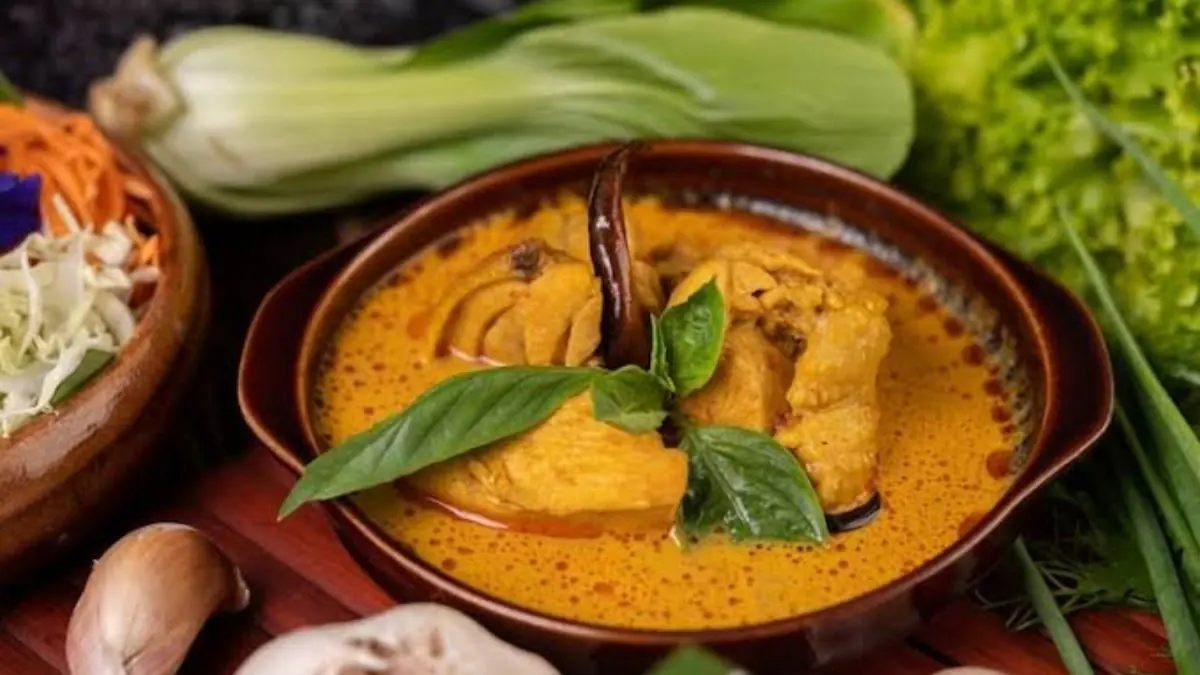
Thai red curry has a strong and inviting smell when it begins cooking, and that is what makes it feel special even though the recipe itself is very easy. This tofu version cooks quickly because most of the flavour comes from the curry paste, so you don’t have to add too many spices. Once the curry paste touches the oil, it releases a warm aroma, and you can almost tell from that moment that the dish will come together smoothly. The coconut milk mixes in and makes the curry thick and soft, and the tofu absorbs it almost right away.
The dish is simple to prepare because there is not much chopping involved. You need only a few vegetables that cook fast, like peppers or carrots, and the tofu only needs to be pressed a little so it does not fall apart in the curry. After that, everything cooks in one pan. The curry becomes creamy in a few minutes, and that is why this recipe is easy even for someone who does not cook often. You don’t need to watch the pan for long; you only need to give
Thai red curry has a strong and inviting smell when it begins cooking, and that is what makes it feel special even though the recipe itself is very easy. This tofu version cooks quickly because most of the flavour comes from the curry paste, so you don’t have to add too many spices. Once the curry paste touches the oil, it releases a warm aroma, and you can almost tell from that moment that the dish will come together smoothly. The coconut milk mixes in and makes the curry thick and soft, and the tofu absorbs it almost right away.
The dish is simple to prepare because there is not much chopping involved. You need only a few vegetables that cook fast, like peppers or carrots, and the tofu only needs to be pressed a little so it does not fall apart in the curry. After that, everything cooks in one pan. The curry becomes creamy in a few minutes, and that is why this recipe is easy even for someone who does not cook often. You don’t need to watch the pan for long; you only need to give it a light stir and let it bubble gently.
This red curry is also flexible because you can change the vegetables depending on what you have at home. Some days you may want it mild, other days a little spicy, and it works every time because the base is simple. The coconut milk gives a soft sweetness, and the paste adds heat, and together they balance each other without needing much else. The tofu tastes better the longer it sits in the curry for those few minutes, and it becomes soft on the inside while staying firm enough to hold shape.
The whole dish cooks in about 20 minutes from start to finish, so it helps on days when you come home tired or when you want something different from the usual Indian sabzi. The bright colour of the curry, the soft tofu, and the smell of lime and basil at the end make it feel complete even though it is so quick. Once you make it once or twice, you may find yourself keeping curry paste at home because it becomes a helpful meal on days when you don’t want complicated recipes.