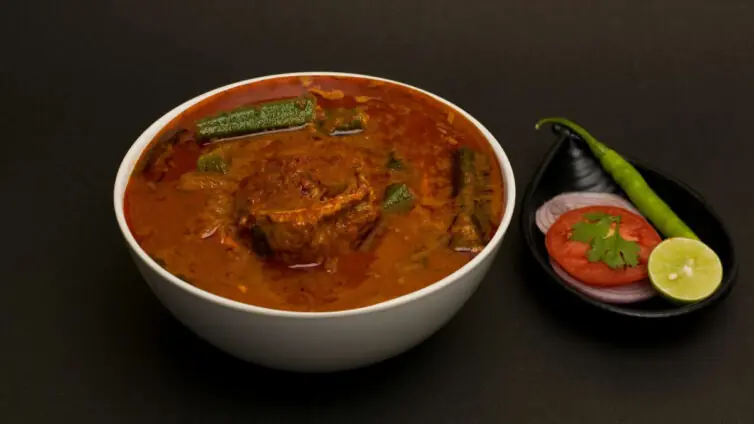
Characterised by tangy flavours, a coconutty nuance and spicy undertones, Mangalorean recipes are truly a coastal treat to emerge from Karnataka’s kitchens. Fish curry is a celebrated offering with warm, steamed rice and when prepared in the Mangalorean style, it brims with aromatic coconut masalas and a mild heat that complements the sour notes of tamarind added to the classic dish.
The coastal cuisine lover who dabbles with different food cultures in the kitchen can replicate these authentic home-style flavours by following a simple Mangalorean recipe that brings to the fore the features of this style of coastal cooking. The recipe itself involves preparing a fish curry made by simmering the seafood in a rich paste that uses coconut as its base. Dried chillies and assorted spices contribute to elevating the flavours of the coastal masala.
Prepare this Mangalorean recipe at home over the weekend to recreate a coastal fish curry and serve it with steamed rice or neer dosa as a staple
Characterised by tangy flavours, a coconutty nuance and spicy undertones, Mangalorean recipes are truly a coastal treat to emerge from Karnataka’s kitchens. Fish curry is a celebrated offering with warm, steamed rice and when prepared in the Mangalorean style, it brims with aromatic coconut masalas and a mild heat that complements the sour notes of tamarind added to the classic dish.
The coastal cuisine lover who dabbles with different food cultures in the kitchen can replicate these authentic home-style flavours by following a simple Mangalorean recipe that brings to the fore the features of this style of coastal cooking. The recipe itself involves preparing a fish curry made by simmering the seafood in a rich paste that uses coconut as its base. Dried chillies and assorted spices contribute to elevating the flavours of the coastal masala.
Prepare this Mangalorean recipe at home over the weekend to recreate a coastal fish curry and serve it with steamed rice or neer dosa as a staple southern Indian offering. It will bring a slice of bold coastal cooking into your contemporary kitchen space.
Read More
Tips and Tricks
1 Make the coconut masala which acts as the primary flavour base of the curry in a sturdy mixer grinder. This will blend the coconut and other ingredients into a smooth paste.
2 A cast-iron kadai is perhaps the best type of cookware to prepare the Mangalorean recipe. It reduces the risk of the curry paste sticking to the bottom as it cooks.
3 Use a serrated knife to finely chop onions and tomatoes essential to preparing the foundations of the fish curry. Uniformly chopped pieces cook quickly and evenly.
4 If required, sautée the fish pieces lightly in some coconut oil on a separate fry pan to lend them a semi-cooked texture. This will make preparing the curry faster once the seer or pomfret is added to the gravy.
5 Make the steamed rice that is served with the Mangalorean recipe in a pressure cooker so it cooks quickly and can be served immediately once the fish curry is ready.