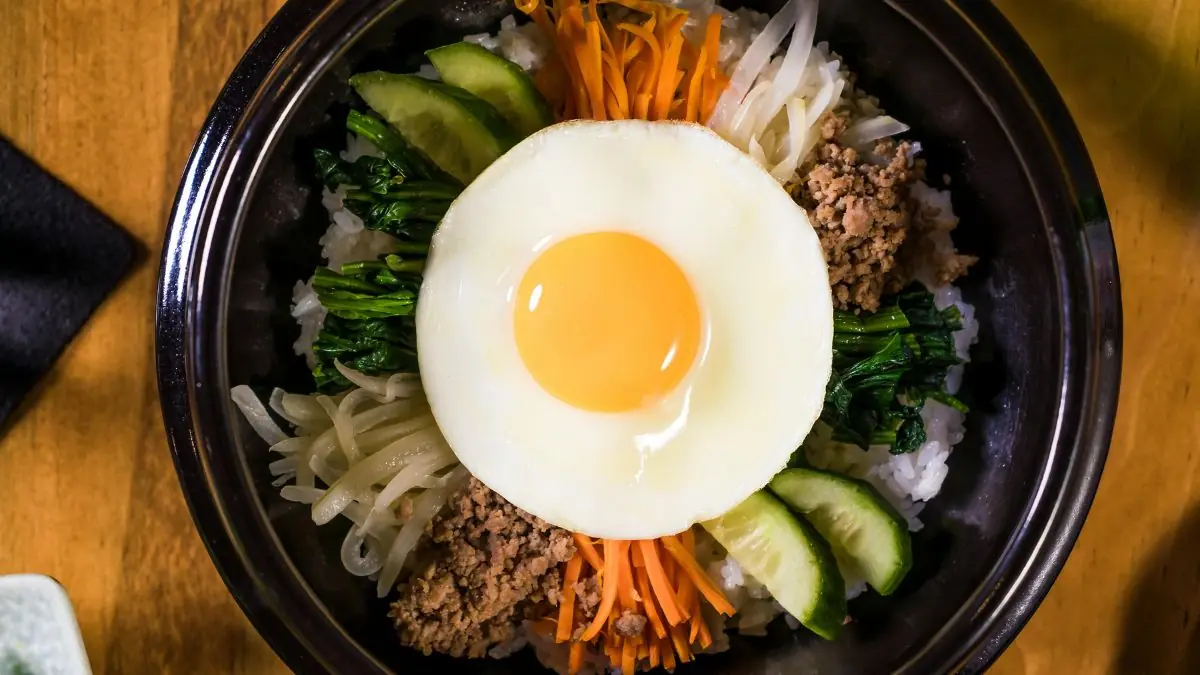
Making the Korean bibimbap conducive to the Indian palate is all about integrating its classic, iconic profile with local ingredients and spices that lend the dish a desi effect. The traditional Korean bibimbap is a classic rice bowl, made with warm rice, veggies, spices and protein. Its complex flavour notes and umami-rich profile can be recreated in the Indian kitchen with a smattering of some desi ingredients to make the dish a bright fusion of two rather interesting culinary cultures.
In fact, the bibimbap’s basic structure, which is all about mixing essentials like rice and seasonal vegetables, closely resembles the Indian thali cultures, which are full of colourful regional, local and seasonal produce. Mixed rice preparations like puliyogare, curd rice toppings and jeera rice and dal bowls echo with a similar integration of rice and other vibrant accompaniments as found in the bibimbap.
So, while making this Korean delight at home, adding a desi touch to it become
Making the Korean bibimbap conducive to the Indian palate is all about integrating its classic, iconic profile with local ingredients and spices that lend the dish a desi effect. The traditional Korean bibimbap is a classic rice bowl, made with warm rice, veggies, spices and protein. Its complex flavour notes and umami-rich profile can be recreated in the Indian kitchen with a smattering of some desi ingredients to make the dish a bright fusion of two rather interesting culinary cultures.
In fact, the bibimbap’s basic structure, which is all about mixing essentials like rice and seasonal vegetables, closely resembles the Indian thali cultures, which are full of colourful regional, local and seasonal produce. Mixed rice preparations like puliyogare, curd rice toppings and jeera rice and dal bowls echo with a similar integration of rice and other vibrant accompaniments as found in the bibimbap.
So, while making this Korean delight at home, adding a desi touch to it becomes that much smoother when the dish is infused with Indian twists such as adding tandoori chicken or cooking the rice in ghee and curry leaves. Masala omelette strips and grilled paneer skewers are also among some of the more interesting additions to a desi-style bibimbap bowl.
Read More