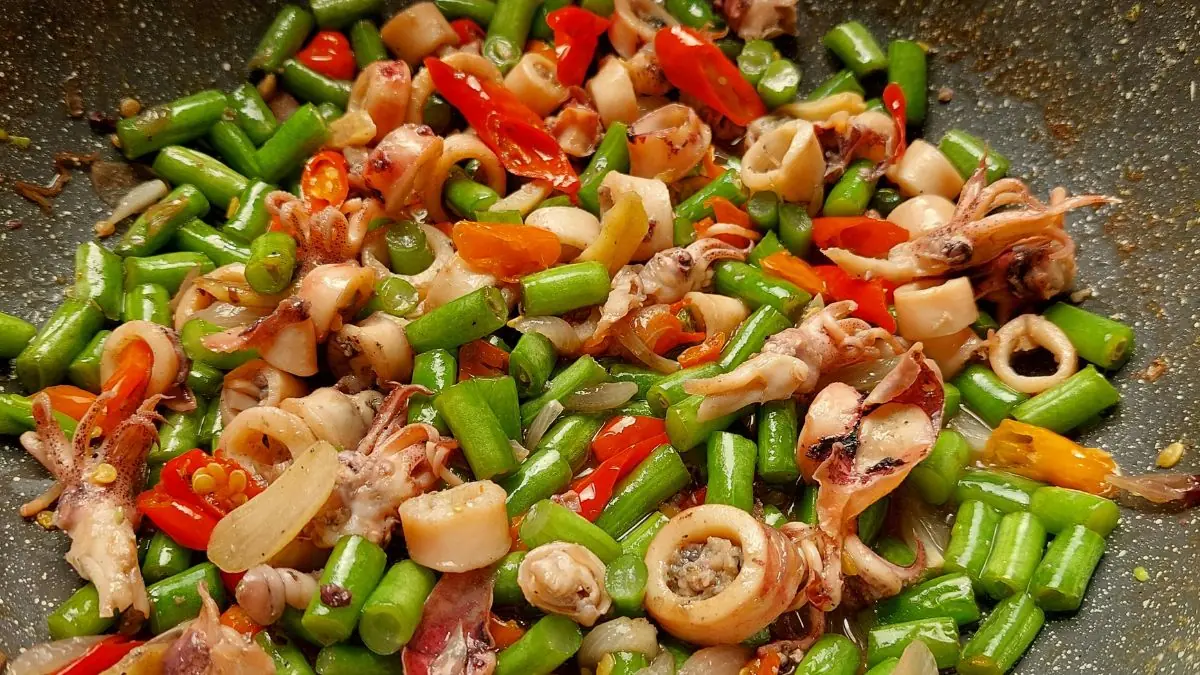
Within Korean cuisine lies a rich repository of sauces, dips, pastes and spreads that bring lots of brightness and touches of spicy, sweet and umami notes into various dishes. One such classic Korean paste is the gochujang, predominantly containing the spice of red chillies. Brightly coloured gochujang is a staple addition to broths, stir frys and even classic bibimbap or rice bowls because it endows these dishes with a touch of spice and heat.
Making a Korean-inspired stir-fry at home, peppered with gochujang sauce, can actually become your next binge-worthy meal. The crispiness of the stir-fried vegetables is nicely complemented by the spicy sauce, leading to a meal that is quite hearty, but light enough for you to binge on without feeling weighted or too full.
Preparing gochujang stir-fry at home is quite a straightforward process. It is a dish that is quick, comforting and one which can be prepared easily in a wok, kadai or a skillet. Fresh vegetables added to the gochujang stir-fr
Within Korean cuisine lies a rich repository of sauces, dips, pastes and spreads that bring lots of brightness and touches of spicy, sweet and umami notes into various dishes. One such classic Korean paste is the gochujang, predominantly containing the spice of red chillies. Brightly coloured gochujang is a staple addition to broths, stir frys and even classic bibimbap or rice bowls because it endows these dishes with a touch of spice and heat.
Making a Korean-inspired stir-fry at home, peppered with gochujang sauce, can actually become your next binge-worthy meal. The crispiness of the stir-fried vegetables is nicely complemented by the spicy sauce, leading to a meal that is quite hearty, but light enough for you to binge on without feeling weighted or too full.
Preparing gochujang stir-fry at home is quite a straightforward process. It is a dish that is quick, comforting and one which can be prepared easily in a wok, kadai or a skillet. Fresh vegetables added to the gochujang stir-fry recipe cook swiftly, and when paired with the red chilli paste, provide a balance of sweet, savoury and spicy tasting notes. It is also possible to put a desi spin on the gochujang stir-fry by using certain Indian spices and masalas in its preparation.
Read More
Tips and Tricks
1 Stir-fries are all about cooking vegetables on a high flame for a short duration. What works best while preparing veggie stir-fries are heavy-bottomed kadais which can take the high heat while eliminating the risk of the vegetables sticking to the bottom. Use a TTK Prestige Cast Iron Scratch Resistant Round Base Kadai which will lend the vegetables an even cook on high heat.
2 Use a hand-held whisk or blender like the TTK Prestige Hand Blender to make the gochujang sauce. The blender ensures perfect integration of all the ingredients used to make the stir-fry dressing. It also aerates the sauce really well, elevating all its spicy, umami and lightly tangy notes.
3 When certain ingredients need to be chopped quickly, go for an electric chopper such as the TTK Prestige Electric Vegetable And Fruit Chopper which can finely dice ginger and garlic into small, stir-fry essential sizes.
4 For those who prefer a stir-fry-like recipe which is made on a skillet instead of using the wok-toss technique, a good alternative can be the TTK Prestige Omega Select Plus Aluminium Non-stick Coating Square Grill Pan which grills vegetables evenly. The vegetables can be drizzled with the gochujang sauce as they cook.
5 Stir-fries can also be prepared just as well in a fry pan. All you have to do is ensure that all of them receive even heat. Use a TTK Prestige Omega Die-Cast Non-Stick Fry Pan as a simple but effective cookware option to craft a Korean-inspired stir-fry, without the hassle of procuring a wok.