Notifications x
  • Please to see notifications
X
History
all results for ""

Making Idlis? Tips To Make The Fluffiest Batch

Verification badge
share

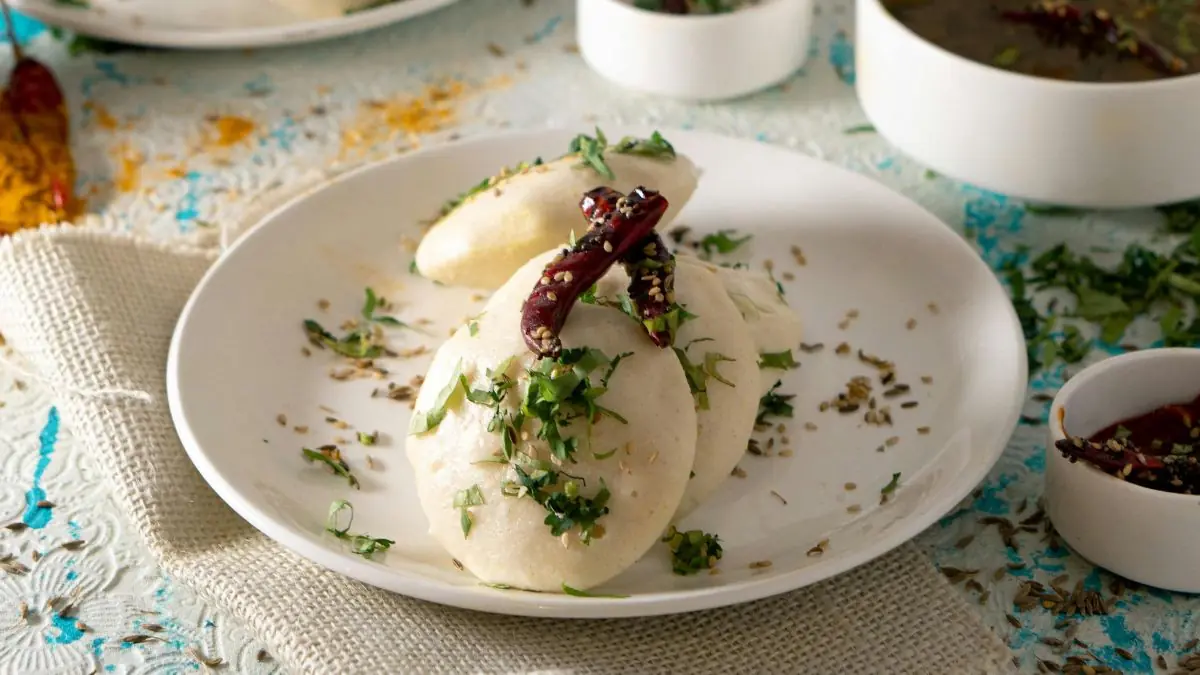
Soft, cloud-like idlis are a staple across southern Indian cuisines. Light, airy and spongy, idlis are a very popular breakfast dish served alongside chutneys and warm sambar, all year round. Making the fluffiest batches of idlis involves more than just steaming the batter. It is about getting the ingredient ratios right and then fermenting them well before they can be ground into batter. Evidently, steaming the perfect idlis requires much culinary skill.

prep time 00 Hour 20 Mins
cook time 00 Hour 15 Mins
chef Team Kitchen Diaries

One of the most favoured breakfasts across southern Indian kitchens is a delicious plateful of steaming idlis, served with a dollop of butter or ghee and some podi, coconut chutney and sambar. Fluffy, soft and spongy idlis might well be the staple across several regions of the Indian subcontinent, but getting them right is a tricky affair.

That’s because making cloud-like, airy idlis requires more than just steaming the batter in the idli cooker or the pressure cooker. First, the ingredients must be measured and soaked in water, before they can be ground and fermented to precision. That’s why making batch after batch of fluffy idlis can put one’s culinary proficiency to test.

To make such idlis at home, one needs to choose the precise rice to urad dal ratio which is converted into a slightly coarse batter, fermented for a good amount of time. This batter can then be poured into idli stands to make warm, steamed idlis – the perfect breakfast dish on a cold winter morning.

Step 1

Start by soaking the rice. Rinse the idli rice thoroughly and soak it in water for 4 to 5 hours.

Step 2

Next, wash the urad dal and fenugreek together and soak them separately in water for 4 hours.

Step 3

Rinse the flattened rice and soak it for 10 minutes just before grinding the mixture.

Step 4

Now, grind the urad dal until it is slightly coarse, soft, fluffy and airy.

Step 5

Grind the soaked rice and poha into a slightly coarse batter.

Step 6

Combine both batters gently while keeping them light and airy.

Step 7

Transfer the integrated batter into a vessel which is large enough to allow it to double in size upon fermentation.

Step 8

Cover the batter loosely and allow it to ferment overnight or for about 8 to 12 hours. The batter should rise enough to become airy and bubbly.

Step 9

To steam the idlis, add salt to the batter as required and mix gently without letting the air deflate. 

Step 10

Grease the idli moulds with oil or ghee. Pour the batter and steam for about 10-12 minutes. Let the steamed idlis rest for a couple of minutes before demoulding and serving them.

Tips and Tricks

1 Making fluffy idlis starts with an airy batter. This is possible when the rice and urad dal mixture is coarsely ground in a good mixer. Go for the TTK Prestige Mixer Grinder which will blend the rice and urad dal into a fluffy, light batter.

2 Alternatively, the best way to prepare the idli batter is in a wet grinder which carries the quintessential grindstone that breaks the rice and urad dal down, all the while introducing a light airiness into the batter. The TTK Prestige Wet Grinder can become a handy kitchen apparatus for this purpose.

3 Use a pressure cooker to steam the idlis. Take the whistle out before placing the idli stand inside so the excess steam can be released. The TTK Prestige Popular Aluminium Straight Wall Outer Lid Pressure Cooker is perfect in size to accommodate a small idli stand.

4 The idli stand should be such that the batter spreads across the moulds without spilling, or without touching the bottom part of the mould resting on top. Use the TTK Prestige Idli Plates that have about six dishes with four moulds in each one, which rest equidistantly to make the steamed idlis.

5 If at all the idli batter feels dense before the fermenting process begins, use a blender such as the TTK Prestige Hand Blender to introduce just a bit of airiness into the grain mixture. This will create a lightness in the idli batter that allows it to ferment well.

Frequently Asked Questions

One of the reasons for this could be that the batter did not receive adequate warmth. To make a light, perfectly fermented batter, cover the vessel with a cloth towel and place it in someplace warm so the fermentation process occurs smoothly. 

Preheating the idli steamer with the addition of a bit of water enables the vessel to warm up before the idli batter is placed inside. This lends the batter instant heat as soon as it is placed inside the steamer, allowing idlis to rise properly. So, many experts prefer to preheat the idli steamer before placing the first batch of idlis inside, which in effect yields fluffy, light and cloud-like idlis.

One of the reasons for this could be that the batter has been mixed too much. Over-mixing or vigorously mixing the idli batter breaks down the bubbles in it, leading to a very flat and dull mixture that in turn leads to flat idlis. That’s why always fold in the salt gently, and avoid stirring the batter too much to retain its bubbly essence.