As the harvest season arrives in Assamese regions, so too it marks the coming of Bihu, a festival dedicated to celebrating the new crop. Bihu is traditionally marked on three separate occasions in Assam: as the new year in the spring season, in autumn to hope for a good harvest and at the end of winter to celebrate the end of the harvest season. And each rendition of Bihu is marked by a lot of song, dance and music resonating with the local tunes, stories and mores of Assamese cultures.
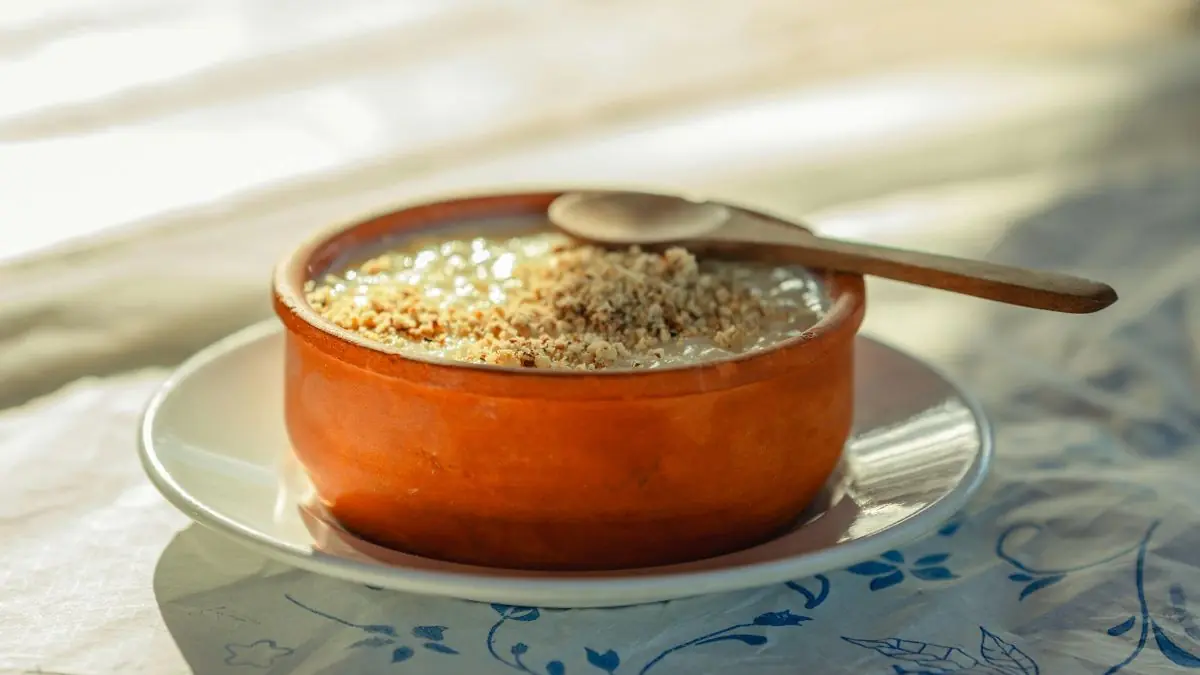
This is also a time of the year when culinary recipes are prepared that not only represent the regional gastronomical nuances of Assamese provinces, but which are also markers of the celebratory fervour associated with the region’s festivities. Komal saul is one such porridge-like dish, traditionally prepared for breakfast during Bihu.
While different types of delicacies are cooked throughout different Bihu celebrations, komal saul made using the local Assamese rice is a clear favourite once the harve
As the harvest season arrives in Assamese regions, so too it marks the coming of Bihu, a festival dedicated to celebrating the new crop. Bihu is traditionally marked on three separate occasions in Assam: as the new year in the spring season, in autumn to hope for a good harvest and at the end of winter to celebrate the end of the harvest season. And each rendition of Bihu is marked by a lot of song, dance and music resonating with the local tunes, stories and mores of Assamese cultures.
This is also a time of the year when culinary recipes are prepared that not only represent the regional gastronomical nuances of Assamese provinces, but which are also markers of the celebratory fervour associated with the region’s festivities. Komal saul is one such porridge-like dish, traditionally prepared for breakfast during Bihu.
While different types of delicacies are cooked throughout different Bihu celebrations, komal saul made using the local Assamese rice is a clear favourite once the harvest season is concluded. It places rice at the centre of the preparation, which is accompanied by the fresh and lightly tangy flavours of curd and the sweetness of jaggery. All of these ingredients come together to make a soft, creamy and lightly rich dish that is sweet, tangy and fresh all at once.
Celebrating Magh Bihu with the recipes which come from Assamese regions? The komal saul can become an excellent breakfast repast to prepare for the full family coming together to mark the end of the harvest season.
Read More
Tips and Tricks
1 One of the key tips to get the komal saul right is to use warm liquid instead of hot. When excessively hot milk is added to the komal saul recipe, there are chances of curdling once the mixture is topped off with dahi. Hot milk also runs the risk of changing the soft and plump texture of the rice into a slightly sticky or gooey mess. The best way to get precise control over temperature is by using an induction cooktop. You can also use an infrared cooktop to save yourself from investing in induction-safe cookware.
2 Another essential hack is to use full-fat milk to prepare the komal saul. This ensures that the recipe acquires a thick and rich flavour, bringing out the aromas of the rice along with the creaminess of the milk. To make sure the milk doesn’t stick to the bottom, use a non-stick milk pan.
3 Adjust the sweetness of the dish mindfully. Adding jaggery lends the dish a very earthy and caramelised depth. While this can be flavourful, when in excess, it can throw off the balance of the dish. So taste as you go while building the sweetness in the komal saul.