5 North Indian Recipes Made With Seasonal Produce Every Vegetarian Will Love
5 North Indian Recipes Made With Seasonal Produce Every Vegetarian Will Love


This article highlights five classic North Indian vegetarian recipes that showcase peak seasonal produce. It explains how cooking with hyper-local vegetables across winter, summer, and monsoon months yields superior flavour and nutritional balance without requiring overly complex techniques.
North Indian home cooking has long been dictated by the agricultural calendar and the changing weather patterns across the northern plains. Long before seasonal eating became a modern culinary movement, regional kitchens naturally adjusted their daily menus to match whatever local soil yielded in every distinct time of year. Dense, bitter winter greens give way to cooling summer gourds, while the monsoon brings tender pods and versatile legumes. Cooking with produce at its absolute seasonal peak guarantees maximum natural sweetness, vibrant colour, and optimal nutritional value for the body. These five classic vegetarian dishes demonstrate how humble, seasonal vegetables can be elevated through thoughtful spice layering, careful heat control, and time-tested regional cooking methods.
Sarson Ka Saag
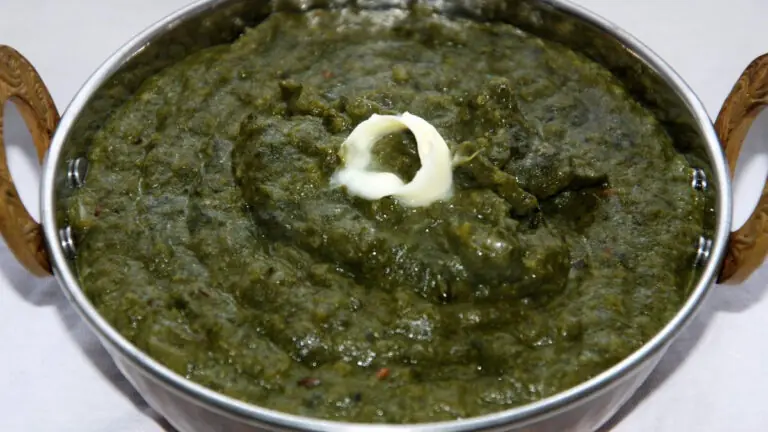
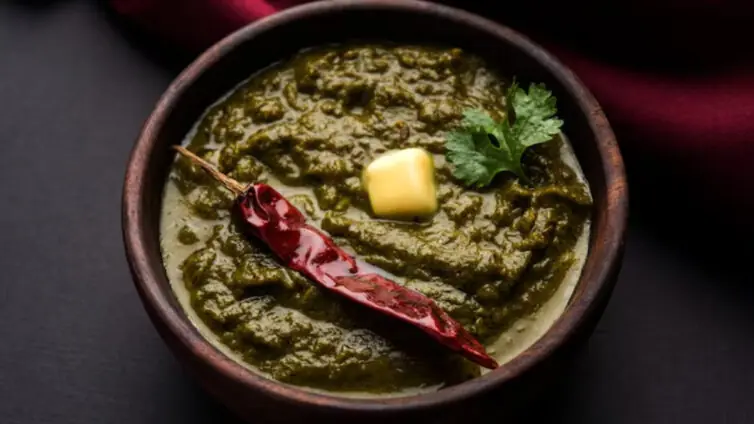
Winter across North India is synonymous with sprawling, lush fields of leafy greens, and sarson ka saag remains the ultimate celebratory dish of the cold months. The recipe combines pungent mustard greens with milder bathua, spinach, and radish leaves to create a deeply comforting and rustic stew. The greens are washed meticulously to remove any farm soil, chopped finely, and slow-cooked in a heavy pot until every leaf turns completely tender. Mashing the softened greens with a traditional wooden churner while adding a handful of maize flour binds the mixture into a thick, velvety texture. A generous final tempering of hot ghee, crushed garlic, freshly grated ginger, and green chillies brings out the natural earthiness of the mustard leaves. Serving this rich saag alongside hot makki ki roti and a dollop of fresh white butter offers an authentic taste of northern winter dining.
Lauki Chana Dal
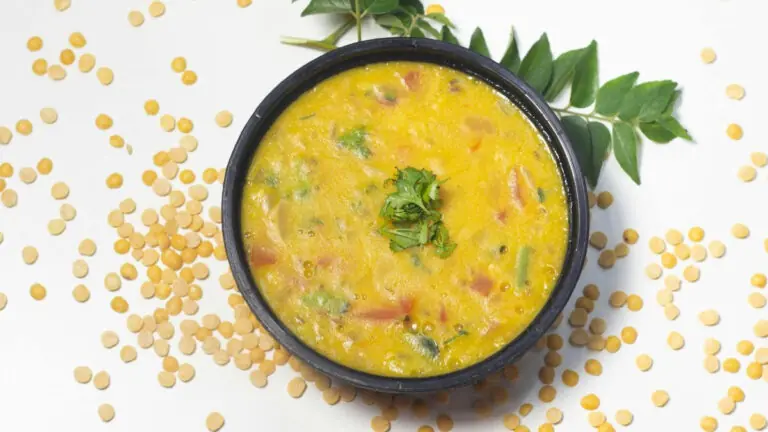
During the intense heat of peak summer, light and cooling vegetables like bottle gourd take centre stage in daily home cooking. Lauki has a mild, subtle profile and an exceptionally high water content, making it light on the stomach and easily digestible when temperatures rise. Pairing diced bottle gourd with protein-rich split Bengal gram creates a balanced, deeply comforting curry that satisfies hunger without feeling heavy. The chana dal is soaked briefly and cooked alongside the juicy gourd cubes in a fragrant base of ripe tomatoes, toasted cumin, and warm turmeric. Using a pressure cooker softens the lentils completely and allows the mild bottle gourd to absorb the tangy spices throughout its core. A fresh garnish of chopped coriander leaves and a bright squeeze of lemon juice lift the entire dish, making it an essential lunch staple during hot months.
Kathal Ki Sabzi
Raw jackfruit arrives in local markets during late spring, prized by home cooks for its dense, meaty texture and remarkable ability to soak up heavy spice mixes. Often prepared for elaborate weekend lunches or family gatherings, raw jackfruit requires careful and deliberate preparation in the kitchen. The tough, spiky exterior is peeled away, and the fibrous interior flesh is cubed before being lightly fried or boiled until completely tender. These cooked jackfruit pieces are then simmered in a robust, dark gravy made from heavily caramelised onions, garlic, ginger, and aromatic whole spices like cinnamon and black cardamom. The unique fibrous structure of the jackfruit holds onto the rich, savoury gravy, resulting in a substantial vegetarian main course that pairs beautifully with soft tandoori rotis or fluffy steamed basmati rice.
Gobi Matar Adraki

As the temperature drops sharply in late autumn, regional markets fill with tightly packed heads of white cauliflower and sweet green peas. Gobi matar adraki is a dry vegetable preparation that celebrates the natural sweetness and crisp texture of cold-weather produce. Florets of cauliflower are sautéed over medium heat alongside vibrant green peas and a generous amount of finely julienned fresh ginger. Unlike heavy gravy dishes, this dry stir-fry relies on minimal water, allowing the cauliflower edges to char slightly in the pan while retaining a pleasant, firm bite. Toasted cumin seeds, coriander powder, and a light touch of garam masala tie the vegetables together without overpowering their fresh characteristics. The sharp, clean heat from the ginger cuts through the richness of heavy winter meals, providing a wonderfully aromatic contrast.
Bhindi Do Pyaza
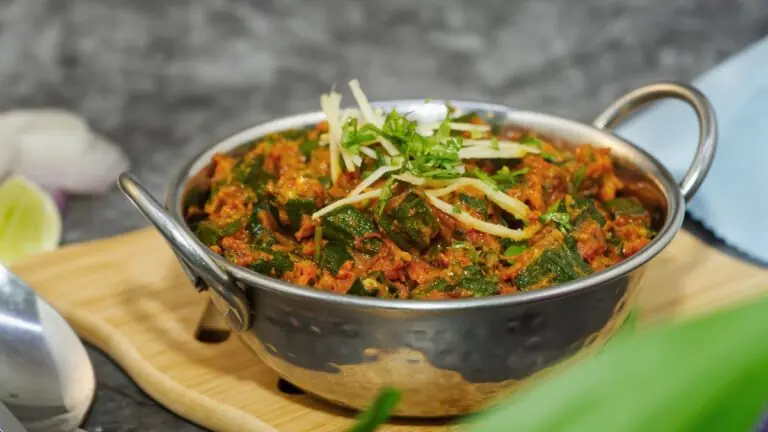
Fresh, tender okra thrives during the warm, rainy monsoon months when the pods are slender, bright green, and snap easily at the tip. Bhindi do pyaza relies on using onions in two distinct forms: finely chopped onions cooked down into a spiced tomato base, and large, crunchy onion petals tossed into the pan near the end of cooking. Cutting the okra into clean bite-sized pieces and sautéing them in a wide pan before adding any acidic tomatoes prevents any unpleasant sliminess from developing during the process. The combination of sweet, charred onion layers alongside tender okra pods creates a wonderful play of textures in every bite. A final dash of dry mango powder adds a pleasant tartness that cuts through the earthy vegetables, resulting in a vibrant side dish that pairs effortlessly with warm parathas.