Induction Cooktop VS Infrared Stove: Your Guide To Make The Best Choice
Induction Cooktop VS Infrared Stove: Your Guide To Make The Best Choice
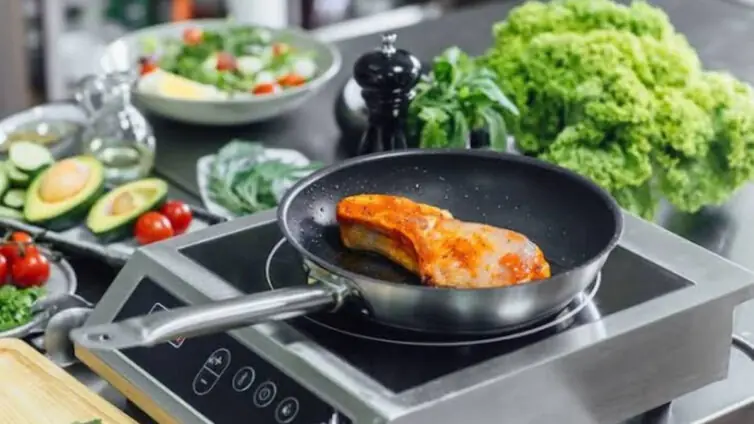


This comprehensive guide breaks down the technical and practical differences between induction cooktops and infrared stoves. It evaluates heating mechanisms, cookware compatibility, thermal efficiency, daily safety, and overall convenience to help you choose the ideal flameless appliance for your kitchen.
Upgrading a modern kitchen often involves transitioning away from open flame gas burners toward electric alternatives that offer better temperature control and easier maintenance. Modern flameless cooktops have evolved far beyond the slow electric coil stoves of past decades, presenting home cooks with sleek glass topped appliances that promise fast heating and clean operation. The two main technologies dominating the market today are electromagnetic induction cooktops and infrared radiant stoves. While both appliances look remarkably similar at first glance with their smooth black glass surfaces and digital touch controls, they function on fundamentally different scientific principles. Choosing the right appliance for your cooking style requires understanding how each technology generates heat, how efficient it is with electrical energy, and how it impacts your daily cooking routine.
Understanding Electromagnetic Induction Technology
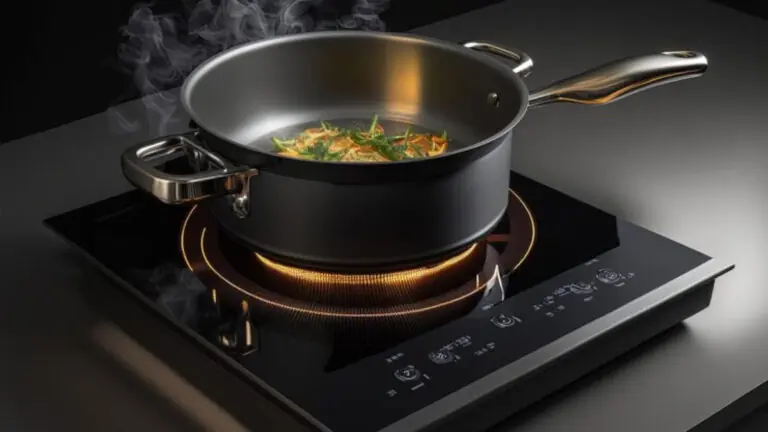
Induction cooktop operates using high frequency electromagnetic fields located directly beneath the smooth ceramic glass surface. When you turn on an induction unit, an alternating electric current flows through a dense copper coil inside the machine. This current generates an oscillating magnetic field above the glass surface. The transformation occurs when a compatible magnetic pan is placed onto the active cooking zone. The magnetic field passes through the metal of the pot, creating fast moving electric currents inside the vessel itself. This internal friction causes the pan to heat up instantly while the glass surface underneath remains largely cool, absorbing only the residual heat coming back from the base of the hot vessel.
Because the pan effectively becomes the primary heating element, there is virtually no middleman in the heat transfer process. You gain precise control over temperature changes, allowing you to drop from a rapid boil to a gentle simmer in a fraction of a second. The immediate responsiveness mimics the control of an open gas flame while providing superior thermal consistency across the bottom of the pan.
Decoding Infrared Radiant Heat Systems
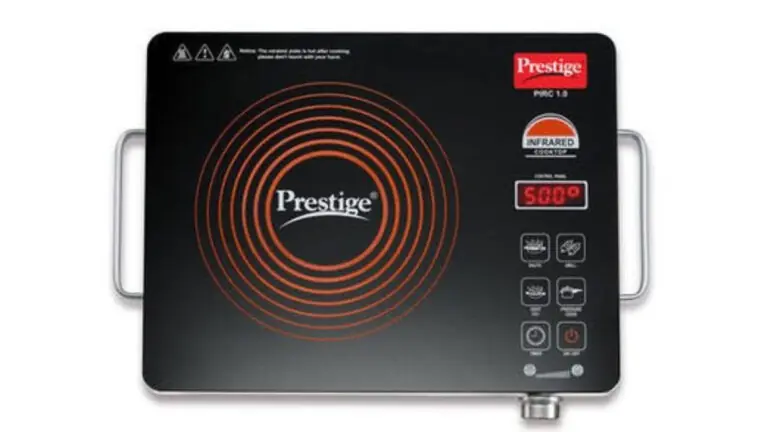
Infrared stoves take a more traditional approach to thermal energy by generating radiant heat through halogen lamps or high resistance electric heating coils positioned beneath a durable glass ceramic plate. When electricity powers the internal heating elements, they glow intensely and emit infrared thermal radiation. This radiant energy heats the protective glass surface first, which then conducts heat upward into whatever vessel is resting on top of the cooking zone.
Unlike induction systems, an infrared stove operates much like a high tech electric hot plate. Heat is transferred via radiation and direct conduction from the glowing glass plate to the cookware. This means the burner surface gets extremely hot during operation and retains that heat for a considerable period after you turn off the power. While the heat up time is slightly slower than magnetic induction, radiant energy produces a steady, continuous warmth that mimics the behaviour of traditional hot coal or stove cooking.
Cookware Compatibility And Kitchen Versatility
The biggest operational contrast between these two appliances lies in the types of pots and pans they accept. Induction technology demands ferromagnetic metals to complete the magnetic circuit. This means you must use cookware made from cast iron, enamelled iron, or specific types of magnetic stainless steel. Standard aluminium, copper, heat resistant glass, and traditional unglazed clay pots will simply fail to trigger the magnetic field, leaving the stove completely inactive. If you plan to switch exclusively to induction, you may need to replace a significant portion of your existing kitchen cookware set with induction compatible bases.
Infrared stoves offer total cookware freedom because they rely on radiant surface heat rather than magnetism. You can place virtually any flat bottomed vessel onto an infrared cooktop, including standard aluminium pressure cookers, copper pots, ceramic baking dishes, tempered glass saucepans, and traditional clay handis. This versatility makes infrared cooktops an attractive option for homes that rely heavily on regional cookware or specialized artisanal vessels that cannot be magnetized.
Energy Efficiency And Speed
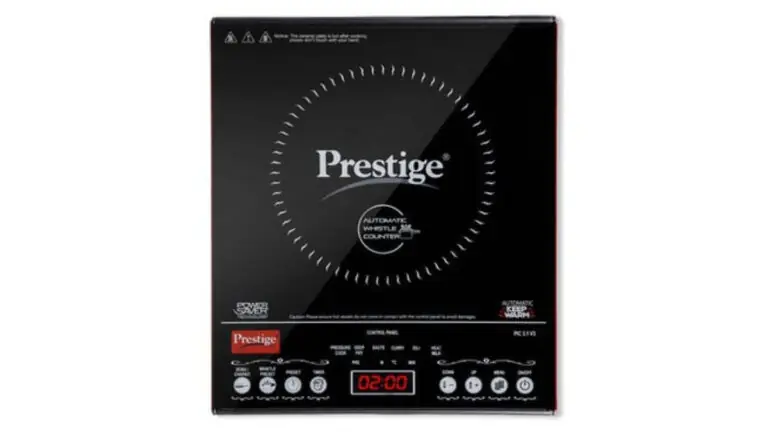
Energy efficiency directly impacts both cooking times and monthly power bills. Induction cooktops stand as the most energy efficient electric cooking technology available today, converting roughly eighty five to ninety percent of consumed electricity directly into usable heat inside the pan. Because the glass surface does not need to get hot first and no flame laps around the sides of the pot, heat loss into the surrounding kitchen air is minimal. A litre of water boils nearly twice as fast on an induction surface compared to a standard gas burner or radiant stove.
Infrared cooktops operate at an efficiency level of around sixty to seventy percent. A noticeable portion of the radiant heat escapes into the surrounding ambient room air before it reaches the pan, particularly if the cookware base is not perfectly flat or slightly misaligned with the cooking ring. While still far more efficient than old fashioned coiled electric stoves, infrared units consume slightly more electricity to achieve the same cooking results as induction cooktops.
Safety Features And Surface Cleaning
Safety considerations vary significantly between the two appliances due to surface heat differences. Induction cooktops are undeniably safer for busy households with young children or pets. Since heat generates inside the pan rather than the stovetop, the glass surface surrounding the pot stays relatively cool to the touch. Built in sensors automatically shut off power the moment a pan is lifted, eliminating the risk of leaving an active heat source unattended. Spills on an induction top rarely burn onto the glass because the surface temperature remains low, allowing you to wipe away sauce splashes immediately with a damp cloth.
Infrared cooktops present a higher risk of accidental contact burns because the ceramic glass plate reaches intense temperatures during cooking and stays dangerously hot long after the unit is switched off. Most modern infrared units include residual heat warning indicators, but caution is essential until the surface cools completely. Cleaning an infrared stove also requires more effort because food spills that drip onto the glowing hot glass burn instantly, forming dark crusts that require careful cleaning once the unit is entirely cold.
Selecting The Right Stovetop For Your Home
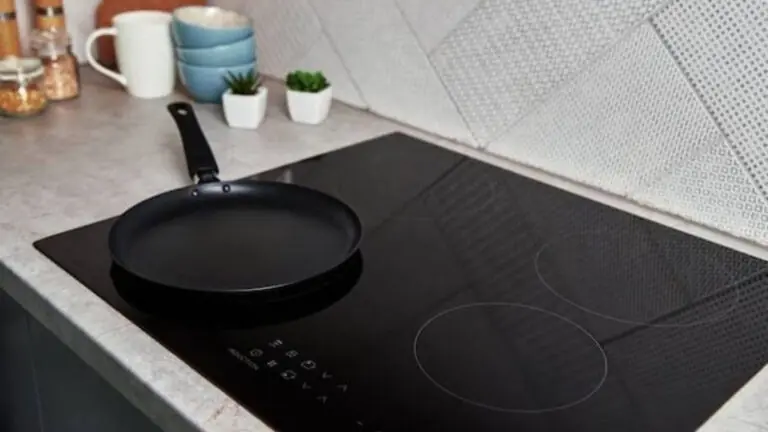
Deciding between an induction cooktop and an infrared stove comes down to balancing your existing kitchen inventory against your desire for speed and safety. If your priority is maximum energy efficiency, rapid boiling, easy cleaning, and a cool surface that keeps the kitchen comfortable, induction cooking is the clear winner provided you own or are willing to buy magnetic cookware. On the other hand, if you want a flexible, single appliance that works seamlessly with your existing collection of aluminium, glass, and traditional clay pots without requiring a total cookware overhaul, an infrared stove provides the ideal middle ground between traditional flame versatility and modern electric convenience.