Regional Indian Rice Dishes You Need To Try At Least Once
Regional Indian Rice Dishes You Need To Try At Least Once
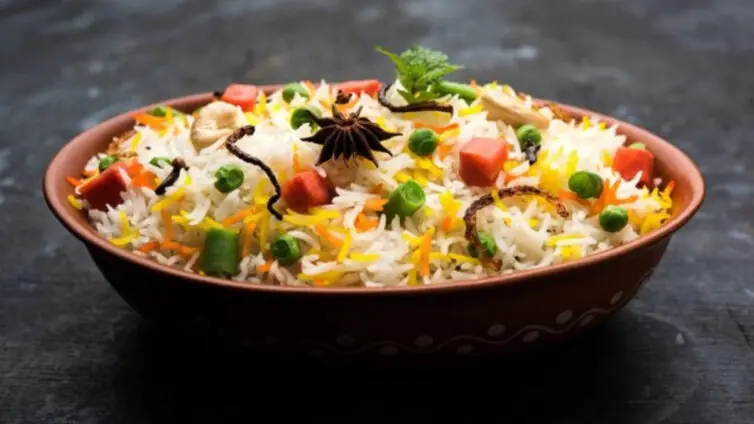


Rice serves as the fundamental cornerstone of Indian cuisine, yet regional variations offer remarkably distinct textures, preparation methods, and flavour profiles. Exploring five iconic rice dishes, from fermented sour pots to layered festive aromatics, reveals how different climatic conditions and local ingredients shape the diverse culinary landscape of the subcontinent.
In many households, rice is the daily staple, but moving beyond simple steamed grains reveals a vast, complex world of regional recipes. Indian rice culture is incredibly diverse, influenced by the geography of the land, the local availability of spices, and centuries of traditional cooking wisdom. Whether it is the earthy grains of the Himalayan foothills or the fragrant, short-grain varieties of the coastal south, each region treats rice as a canvas for local flavour. The challenge with complex rice dishes, particularly those involving slow-steaming or delicate layering, is maintaining an even heat that prevents the bottom layer from turning into a mushy crust while the top remains undercooked. Using precise equipment like the Induction Cooktop ensures that your heat source remains steady throughout the entire cooking duration, allowing grains to fluff perfectly without scorching. These five rice varieties are essential markers of India’s cultural heritage and are well worth the effort to prepare in your own kitchen.
Hyderabadi Kacchi Dum Biryani
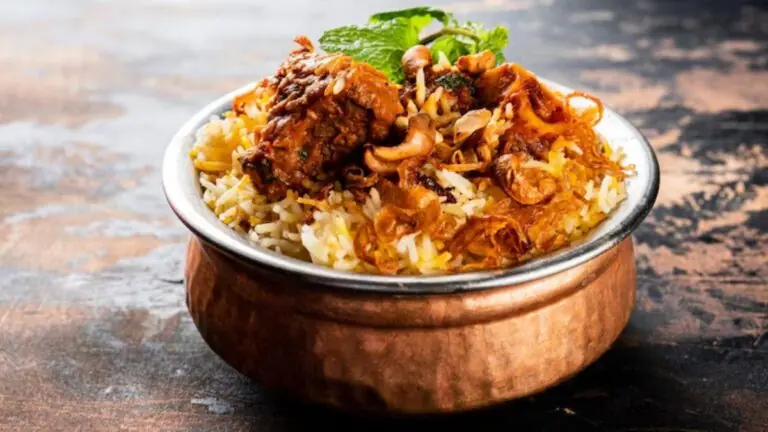
The Hyderabadi kacchi dum biryani is perhaps the most sophisticated rice dish in India, defined by the kacchi or raw method where marinated meat and partially cooked basmati rice are layered and sealed together. The magic happens during the dum process, where the steam trapped inside the vessel cooks the ingredients slowly, allowing the rice to absorb all the fat, juices, and complex spice notes from the meat beneath. Preparing this on an induction cooktop is surprisingly effective, as you can set the power level to a very low, consistent heat for the final steaming phase. Using a Pressure Cooker or a heavy-bottomed handi helps create a perfect airtight seal. The long, slender grains should remain distinct and aromatic, each one coated in a faint golden tint of saffron and spice, representing the pinnacle of layered cooking.
Tamil Nadu Bisi Bele Bath
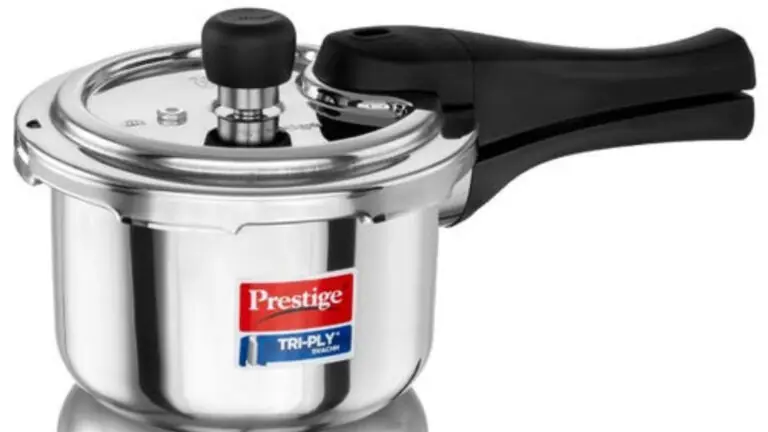
Hailing from the southern regions, Bisi Bele Bath is a deeply comforting, hearty one-pot meal that combines rice, lentils, and a complex mixture of roasted spices. Unlike light, fluffy rice dishes, this is a thick, porridge-like preparation that requires a perfect balance between the starch of the rice and the creaminess of the lentils. The key to its flavour is a fresh spice powder containing dry coconut, cinnamon, cloves, and poppy seeds. Preparing this in a Pressure Cooker ensures that the rice and lentils are cooked to a completely soft, uniform consistency while the spices infuse deeply into the mix. Finished with a generous drizzle of hot ghee and crispy boondi, it offers a warm, earthy comfort that is emblematic of traditional South Indian home cooking.
Bengali Gobindobhog Khichuri
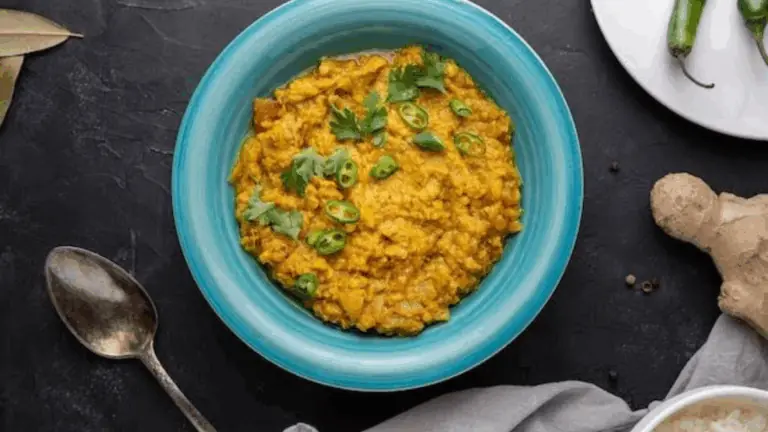
In Bengal, Khichuri is not just a dish but an emotional experience, particularly during the rainy season. Using the aromatic, short-grain Gobindobhog rice, renowned for its buttery fragrance, gives this preparation a unique identity. The rice is typically roasted in ghee with spices like ginger, cumin, and bay leaves before being boiled with yellow moong dal until it reaches a thick, velvety texture. Using a Kadai provides the necessary heat control to toast the rice grains gently without burning them, ensuring that the final dish retains its signature nutty aroma. Served with crispy fried aubergines, papad, and a sharp mustard oil pickle, this humble dish demonstrates how high-quality regional ingredients can transform a simple grain into a celebrated feast.
Kashmiri Modur Pulao
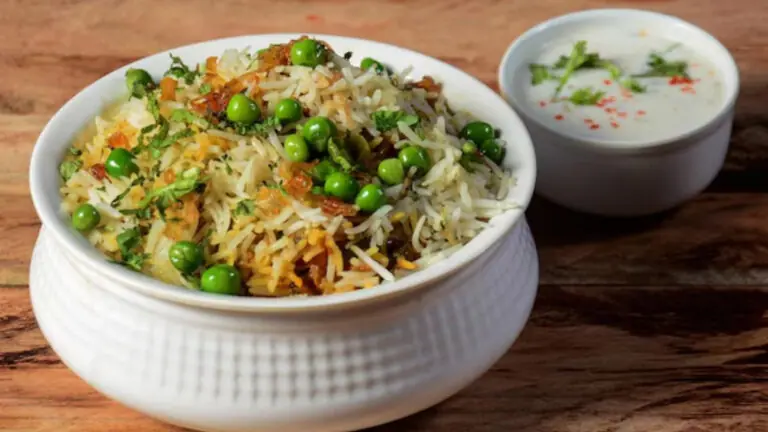
Kashmiri cuisine is famous for its elegant use of dried fruits and aromatic spices, and Modur Pulao is a shining example of this sweet-savoury balance. This pulao is rich, fragrant, and golden, cooked with milk, saffron, and a generous amount of ghee. The dish is studded with slivered almonds, cashews, raisins, and dried apricots, which lend a natural sweetness that permeates the long-grain basmati rice. Because this dish relies on delicate ingredients like milk and saffron, you must cook it at a very gentle temperature to prevent the milk from curdling. A Hard Anodised Fry Pan or a shallow pan works beautifully here, allowing you to stir the grains carefully without breaking them. It is a dish that highlights the luxury of Kashmiri ingredients and is typically reserved for festive celebrations.
Maharashtrian Vangi Bhat
Vangi Bhat is a vibrant, spiced rice dish from Maharashtra that features brinjals (aubergine) as the star ingredient, cooked in a unique blend of goda masala. The goda masala, which includes toasted sesame seeds, dry coconut, and stone flower, provides an earthy, complex depth that defines this dish. The rice is cooked alongside the sautéed brinjals so that the grains absorb the tangy, spicy juices completely. Achieving the right texture requires precision in the amount of water and heat; too much liquid turns it mushy, while too little leaves the rice hard. Using a Vegetable Chopper to get perfectly uniform slices of brinjal ensures they cook evenly and integrate seamlessly with the grains. When prepared on an induction cooktop, the heat remains consistent throughout the pan, allowing the rice to soak up every drop of flavour without any risk of scorching the delicate spice base at the bottom.