Luchi vs Poori: What Sets Bengal’s Favourite Bread Apart
Luchi vs Poori: What Sets Bengal’s Favourite Bread Apart
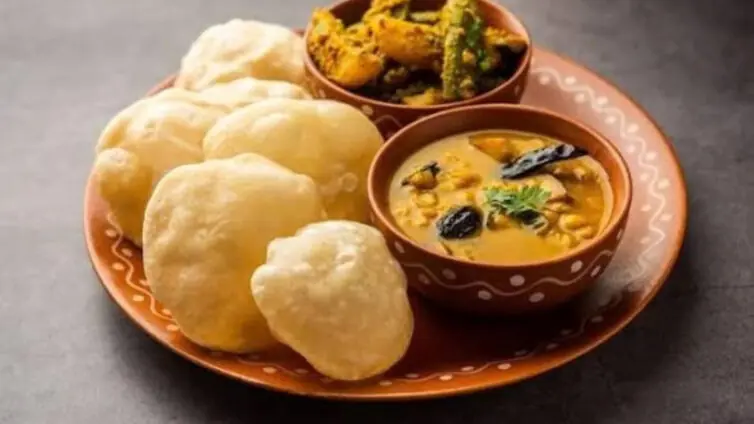


Luchi and poori may look similar, but they are quite different once you get into the dough. Bengal’s soft, white luchi is typically made with refined flour, while poori is usually made with whole wheat flour, giving it a deeper colour and heartier texture. From the flour and fat to the way each is fried, here’s what makes these two popular Indian breads so different.
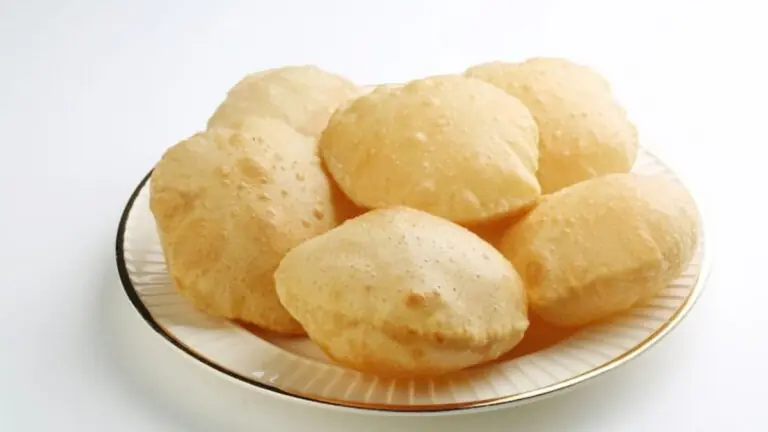
At a distance, a basket of freshly puffed flatbreads looks uniform: round, golden-tinted globes rising out of bubbling oil, ready to be paired with spiced curries or rich lentils. Yet, step into a Bengali kitchen during a festival or a Sunday morning breakfast, and you will quickly learn that calling a Luchi a “Poori” is a culinary misnomer. Though both belong to the family of unleavened puffed breads, Luchi occupies a singular space in South Asian gastronomy.
The differences between the two go far beyond mere geography. They lie in the choice of grain, the ratio of fat rubbed into the dry flour, and the precise thermal control needed during deep frying. Where a classic Poori leans on robust whole wheat for structure and a deep golden crust, a Luchi demands delicate refined flour, yielding a bread that is impossibly light, pale ivory, and shatteringly tender. Deconstructing these subtle differences reveals how simple changes in technique transform basic dough into two completely distinct dining experiences.
The Grain Matters: Maida Versus Whole Wheat Atta
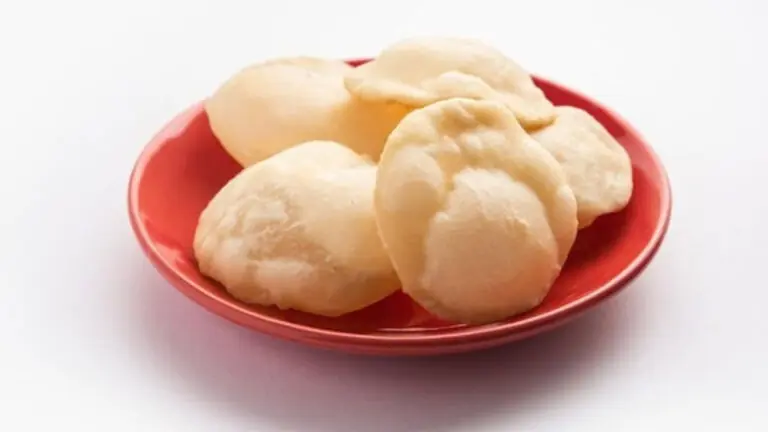
The most fundamental divide between Luchi and Poori starts with the flour sack. A traditional Poori relies on whole wheat flour, known as atta. Whole wheat contains the entire wheat kernel, including the bran and germ, which gives Poori dough a higher fibre content, a rich nutty aroma, and its characteristic golden-brown hue when fried. The presence of bran cuts through gluten strands, resulting in a firm, slightly chewy shell that holds its puffed shape for several minutes after leaving the pan.
Luchi, on the other hand, is made exclusively with maida, or refined all-purpose flour. By removing the bran and germ, maida provides a fine, silky powder that produces a pale, delicate dough. Because there is no bran to disrupt gluten development, maida creates a smooth, elastic network that can stretch extraordinarily thin without tearing. When dropped into hot oil, this refined dough expands into a translucent, papery sphere with a pale ivory finish that contrasts sharply with the deep brown tone of a standard wheat poori.
The Secret Of Moyan: Fat Ratios And Textural Contrast
Beyond the flour, the secret to a memorable Luchi lies in a process called moyan, which involves rubbing shortening, oil, or melted ghee directly into the dry flour before adding a single drop of water.
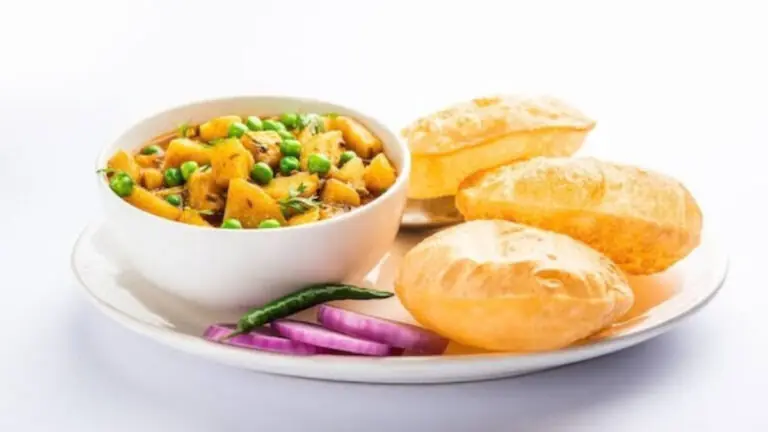
While a standard Poori dough uses very little oil in the mix—relying instead on a stiff, tight knead to build structure—Luchi dough demands a generous hand with the moyan. The oil coats the starch granules and breaks up the gluten network, a process known in baking as “shortening.” This step ensures that once the water is introduced and the dough is rested, the resulting bread will not turn tough or leathery. Instead, it yields a Luchi that is soft to the touch, with a delicate outer layer that yields effortlessly to the softest tear.
Oil Temperature And Frying Mechanics
Frying a Luchi requires a completely different approach to heat management than frying a Poori. A whole-wheat Poori needs intense, immediate heat to vaporise the moisture inside the dough quickly, forcing the heavy whole-wheat walls outward into a rigid, golden dome. The goal with a Poori is to achieve a deep caramelisation on the outer crust.
Frying a Luchi is a far more delicate operation. The oil must be hot enough to trigger an instant steam puff, yet not so hot that it browns the delicate refined flour before the bread fully inflates. The ideal Luchi should puff up completely into a soft, pale globe without developing dark brown spots or a tough, greasy skin.
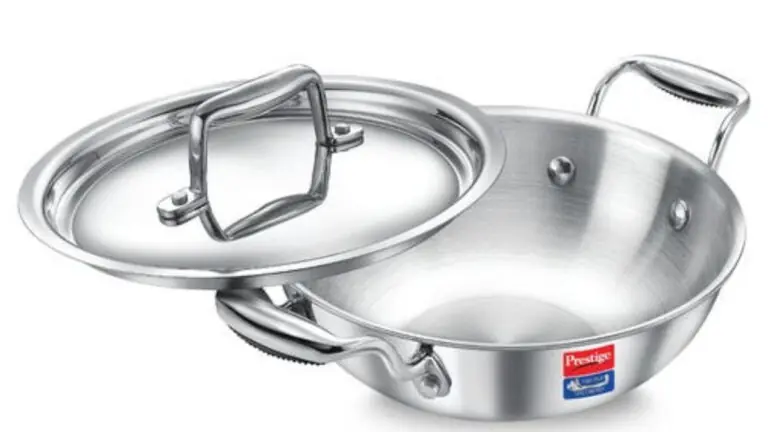
Achieving this level of temperature stability requires cookware that retains heat evenly without creating scorching hot spots. Using a heavy-gauge vessel like a Tri-Ply Kadai or a Hard Anodised Fry Pan helps maintain a steady oil temperature when the cold dough hits the pan. The thick aluminium core layered between stainless steel ensures thermal energy spreads uniformly across the base, preventing sudden temperature drops that would otherwise force the Luchi to absorb excess oil or brown prematurely.
Regional Pairings: Complementing Distinct Textures
Because Luchi and Poori possess entirely different textures and structural weights, they are traditionally paired with very different side dishes designed to match their characteristics.
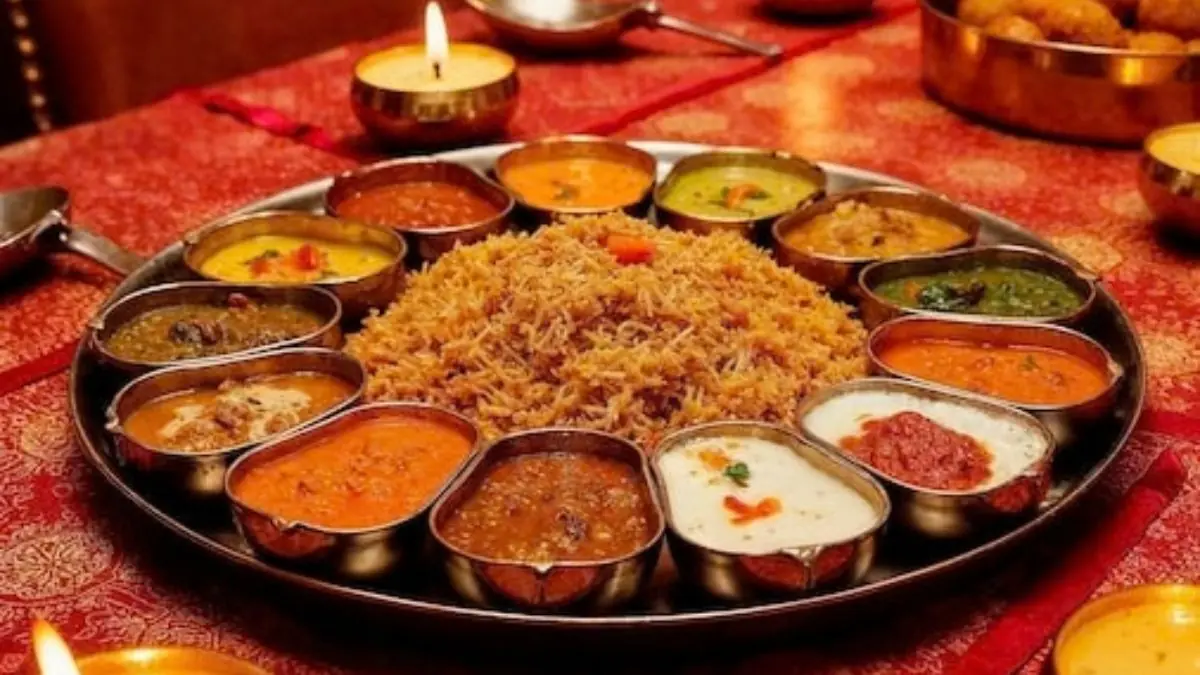
– Classic Luchi Pairings: Because Luchi is light, delicate, and slightly sweet, it is paired with mild, aromatic, or rich festive preparations. Its iconic companion is Cholar Dal, a sweet-and-savoury Bengal gram lentil cooked with fried coconut chips, raisins, and mild spices. During celebrations, it is served alongside Alur Dom (spiced baby potatoes in a thick tomato-ginger gravy) or Kosha Mangsho (slow-braised mutton). For breakfast, a simple Sada Aloo Charchari (boiled potatoes cooked with green chillies and nigella seeds) allows the delicate flavour of the Luchi to shine.
– Classic Poori Pairings: Thanks to its robust, nutty whole-wheat structure, Poori can stand up to heavier, bolder, and more pungent gravies. Across Northern and Western India, Pooris are paired with fiery Chole (spiced chickpea curry), rustic Aloo Bhaaji loaded with coarse turmeric and onions, or sweet, dense treats like Halwa and Srikhand. The thicker crust of a Poori acts as a sturdy scoop for thick, rustic masalas.
Tips For Rolling And Frying Without Excess Oil
Whether you are making Luchi or Poori, dealing with soggy, grease-laden dough is a common kitchen frustration. A few simple adjustments to your prep routine can ensure every flatbread emerges light, airy, and dry to the touch.
First, never use dry flour to dust your board when rolling out Luchi or Poori. Loose flour falls off in the pan, burns in the hot oil, turns the fat dark, and sticks to the bread as bitter black specks. Instead, lightly grease your rolling pin and work surface with a drop of cooking oil to roll out smooth, clean discs.
Second, ensure your dough is kneaded to a firm, smooth consistency rather than a soft, wet sticky mess. Soft dough absorbs oil like a sponge during deep frying. Resting the kneaded dough under a damp cloth for twenty minutes allows the starches to hydrate fully, making it pliable enough to roll thinly without needing extra oil or flour.
Finally, place your cooked breads directly onto an elevated wire rack or a paper-towel-lined plate immediately after lifting them from the oil using a slotted skimmer. Giving the hot steam a clear path to escape prevents condensation from forming on the underside, keeping the crust crisp and airy until it reaches the dining table.