Regional Arbi Recipes From Across India You Should Try Once
Regional Arbi Recipes From Across India You Should Try Once
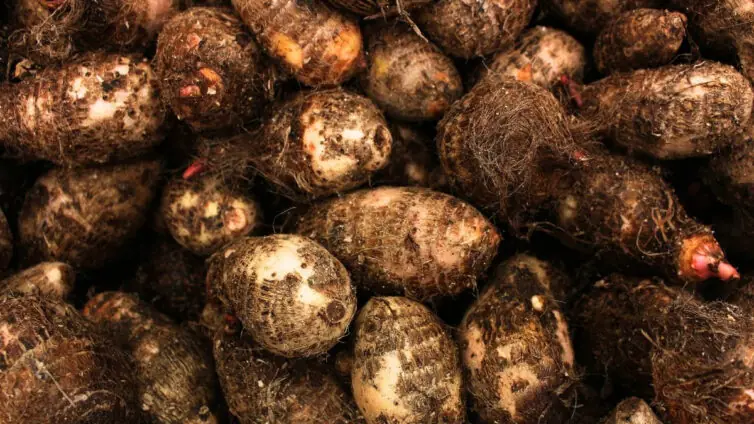


Arbi appears in very different forms across Indian kitchens, from Bengali kochu and Bihari arbi patta to Manipuri eromba, Himachali patrodu and South Indian curries.
Arbi is one of those vegetables that can look rather ordinary at the market and turn into something completely different once it reaches the kitchen. The starchy root is fried, curried, boiled and spiced in different ways. The leaves are treated almost like a vegetable of their own, rolled with gram flour, steamed, fried, cooked into gravies and even paired with fish.
The names change as you travel. So do the ingredients and cooking methods.
In Gujarat, arbi leaves become patra. In Himachal Pradesh, they are made into patrodu. Odisha has several preparations using the leaves, while Manipur turns the root into a spicy eromba. Bengal has its own vocabulary of kochu dishes, and Bihar cooks both the leaves and stems.
Here are some regional arbi preparations worth seeking out.
Arbi Patta Ki Sabji, Bihar
Bihar has several traditional preparations using colocasia leaves, including arbi patta ki sabji. The leaves are coated with a gram flour mixture, rolled or layered, steamed and then cooked with spices. Some versions fry the steamed pieces before adding them to a gravy.
The leaves need careful preparation because raw colocasia leaves can cause an irritating sensation in the mouth and throat. Proper cooking, along with sour ingredients such as tamarind, curd or lemon in some recipes, is commonly used when preparing them.
Bihar also uses the stems and leaves in different sabzis, making good use of parts of the plant that often get discarded elsewhere.
Kochu Preparations, West Bengal
In Bengal, colocasia is known as kochu, and it appears in several forms. The roots, stems and leaves can all be cooked, with preparations ranging from simple vegetable dishes to combinations with fish and prawns.
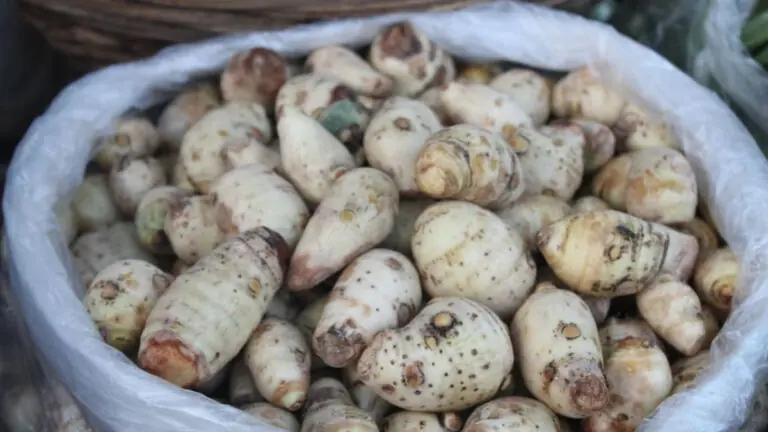
One particularly Bengali approach is to cook tender colocasia leaves with fish head or prawns, using mustard oil and spices to build the dish. The earthy flavour of kochu works well with the strong savouriness of fish like hilsa (ilish), bhekti or even prawns (chingri).
Bengali cooking also has preparations where the root is cooked with mustard, coconut or other vegetables. If you grew up eating potatoes and posto, machher jhol or shukto, kochu offers another way to work familiar Bengali flavours into a vegetable dish.
Arbi Jhol, Uttar Pradesh
In Uttar Pradesh, arbi can be cooked into a simple, lightly spiced gravy. The boiled root is usually peeled, cut into pieces and cooked with spices, tomato or yoghurt depending on the household recipe.
The soft, starchy texture of arbi works particularly well with a thin gravy, which you can eat with roti or rice.
Another interesting UP preparation is sahina, which uses colocasia leaves. The leaves are cooked with spices and other ingredients to make a regional dish that is less familiar outside the area.
Patrodu, Himachal Pradesh
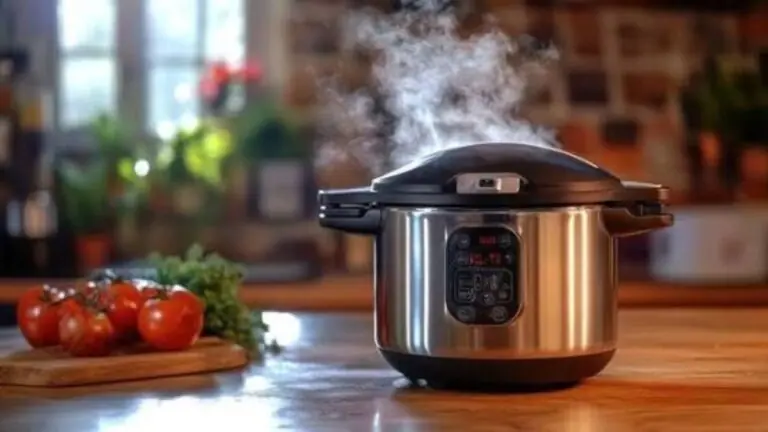
Himachali patrodu is another version of the arbi-leaf roll, but it has its own character. The leaves are layered with a thick paste made from besan, rice flour and spices, then rolled tightly and steamed. The cooked roll is sliced and fried until crisp. Some traditional preparations also wrap the roll in a turmeric leaf before steaming it in a steamer or multi-cooker, which helps retain its aroma.
The crisp, browned slices are commonly served as a snack with chutney or alongside tea. So if you know patra from Gujarat, patrodu gives you another regional version of the same basic idea.
Paan Eromba, Manipur
Manipur takes arbi in a completely different direction. Here, colocasia is known as paan, and it can be used in eromba, a rustic mashed preparation made with boiled vegetables, chillies and fermented fish called ngari. Smoked fish can also be included.
The boiled arbi provides the starchy base, while fermented fish and chillies give the dish a strong, savoury flavour. It is traditionally eaten with rice.
This is one of the more unusual ways to cook arbi because the root isn’t fried or simmered in a conventional curry. It becomes part of a mash with the distinctive flavours of Manipuri cooking.
Colocasia in the Northeast
The Northeast has several traditional uses for colocasia beyond the better-known Manipuri eromba.
In Nagaland, colocasia leaves have traditionally been dried and processed into a powder that can be used in meat preparations. The leaves are also valued as a way to add thickness and flavour to certain dishes.
Mizoram also uses colocasia leaves in traditional cooking, including dried preparations.
These uses are worth mentioning because they show how the plant has been preserved and used beyond the fresh-root and fresh-leaf dishes more familiar in other parts of India.
Saru Patra Magura, Odisha
Odisha has an impressive range of colocasia preparations, particularly using the leaves.
For saru patra magura, leaves are layered with a spiced paste, rolled and steamed. The cooked roll is sliced into discs and fried before being added to a gravy.
The name has an interesting connection to the dish’s appearance. In western Odisha, the sliced pieces are said to resemble pieces of magura, a type of catfish.
Coastal versions can use mustard and other ingredients to create a sharper, more pungent gravy.
Patra, Gujarat
Patra is perhaps the most recognisable arbi-leaf preparation from Gujarat. Tender colocasia leaves are coated with a spiced besan mixture, stacked and rolled. The roll is steamed until the gram flour cooks through, then sliced. The pieces can be served steamed or given a quick tempering and shallow-fried in a kadai.
Gujarati versions often combine chilli, spices, jaggery and a souring ingredient. That gives the dish its characteristic sweet, sour and spicy profile.
Similar preparations appear elsewhere under different names, but the Gujarati patra has become particularly well known.
Alu Chi Patal Bhaji, Maharashtra
Maharashtra uses colocasia leaves in a curry called alu chi patal bhaji. Here, the leaves are cooked with ingredients such as chana dal, peanuts, coconut and tamarind. Jaggery adds sweetness, while the tamarind brings acidity. The finished curry has a relatively thin consistency and works well with rice or bhakri.
Maharashtrian cuisine also has alu vadi, where the leaves are layered with a gram flour mixture, rolled, steamed and sliced before being fried.
The same plant therefore gives you both a curry and a snack within the same regional cuisine.
Pathrode, Coastal Karnataka
In coastal Karnataka and parts of the Konkan belt, colocasia leaves become pathrode. Rice, coconut, red chillies, coriander seeds, tamarind and jaggery can go into the paste spread between the leaves. The layers are rolled and steamed in a steamer or multi-cooker with a steamer basket before being sliced. Depending on the preparation, the pieces can be served steamed or fried.
The use of rice and coconut gives this version a very different flavour from the besan-heavy patra and patrodu found farther north and west.
Chembu Puzhukku, Kerala
In Kerala, colocasia is known as chembu. The root is used in several traditional preparations, including chembu puzhukku, while the leaves also appear in dishes such as chembilacurry and chembilappam.
The root can be cooked with grated coconut, cumin, chillies and shallots, followed by a tempering of mustard seeds and curry leaves. The result is a simple preparation that goes well with rice.
Kerala’s use of coconut, curry leaves and tempering gives chembu a distinctly different character from the mustard-heavy preparations found farther east.
Seppankizhangu, Tamil Nadu
Tamil Nadu gives the root a much simpler treatment. Known as seppankizhangu, arbi is boiled until tender in a pressure cooker, then peeled, cut into pieces, seasoned and fried.
The finished pieces develop a crisp exterior while staying soft inside. Depending on the household, the seasoning can include chilli, turmeric, cumin and other spices. Serve it with rice, sambar and rasam, or alongside a simple curd-based meal.
Chemagadda Curry, Andhra Pradesh
In Andhra and Telangana, colocasia is known as chemagadda and is commonly cooked as a curry.
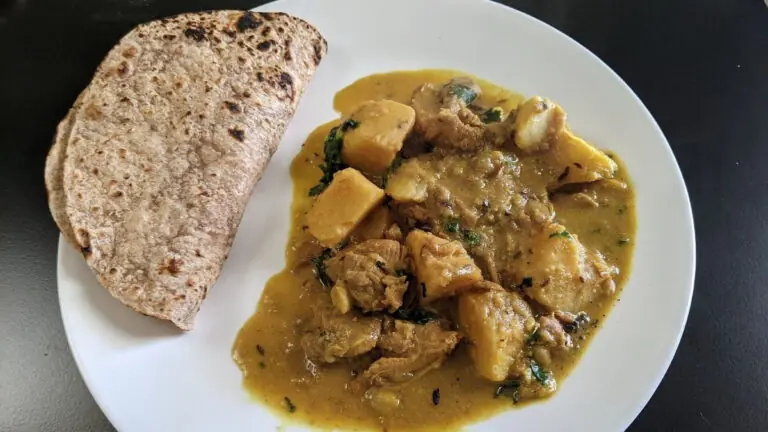
The boiled roots are peeled and cooked with spices, tamarind and sometimes onion or tomato. The sourness of tamarind works well with the mild, starchy root and is characteristic of many Andhra-style preparations.
The preparation is quite different from a typical arbi fry, which you can shallow-fry in a fry pan before serving with steamed rice.
Arbi Patta Pakoda
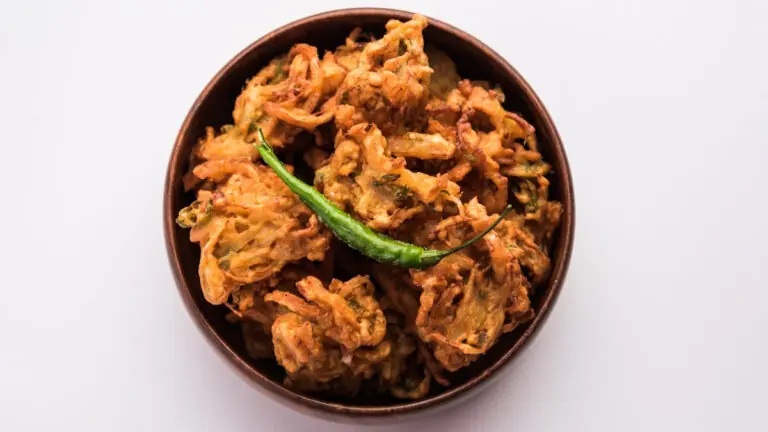
Colocasia leaves also make their way into pakoras. The leaves and stems can be chopped, mixed with besan, spices and a souring ingredient such as curd or tamarind, and deep-fried until crisp.
This preparation is less tied to one particular state, so it is better treated as a wider Indian use of arbi leaves rather than assigning it to a single region.
The souring ingredient is particularly useful here because it balances the flavour of the leaves and forms part of the traditional preparation.