How To Cook Brown Rice In A Pressure Cooker: The Ultimate Guide
How To Cook Brown Rice In A Pressure Cooker: The Ultimate Guide
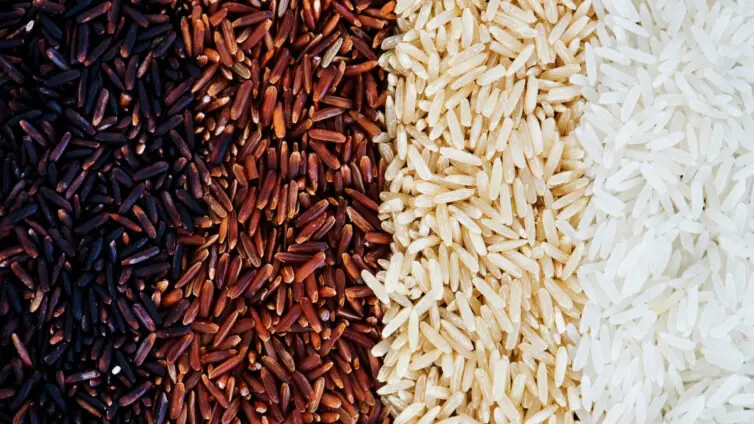


The notoriously tough bran layer of brown rice makes it super slow and, at times, unpredictable to cook on a stovetop. If you’re transitioning from white to brown rice, here’s a guide to help you navigate through the cooking process, one step at a time.
Everyone knows brown rice is a healthier choice. Packed with fibre, magnesium, vitamin B, and much more, brown rice has a better nutritional value when compared to white rice. However, it does have a reputation problem, and not everyone knows how to cook, to get fluffy brown rice hassle-free. Whether it’s the soaking time, water-to-rice ratio, cooking time, or more, many people don’t prefer cooking brown rice at home. And for the times they do, ending with chewy and sticky brown rice even after pressure cooking for about an hour is a pretty disappointing experience. So, what exactly is the trick to making brown rice? Read on to know how to make fluffy and evenly cooked brown rice within half an hour. Whether you’re using a pressure cooker, instant pot, or an electric cooker, here’s the ultimate guide to cooking brown rice like a pro.
Water-To-Rice Ratio
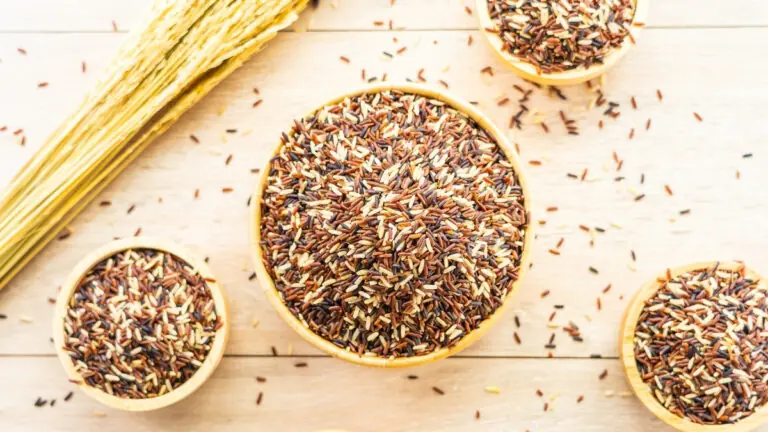
One of the biggest factors that determines the success of fluffy brown rice is maintaining the water ratio. Unlike white rice, which requires a 1:2 rice to water ratio, brown rice requires less water. For every one cup of brown rice, use 1.25 cups of water. If soaked properly, you can even use 1 cup of water to avoid ending up with sticky rice. If you’re using an electric pressure cooker and instant pot, you’ll require more water than cooking on a stovepot since less steam escapes during the cooking process. Also, if you’re cooking a large batch of brown rice, ensure that you’re leaving room in the pressure cooker or pot for the rice to fluff up.
Rinse The Rice Before Cooking
You might feel rinsing brown rice might be an unnecessary step, but it affects the texture. Since raw rice grains are coated in starch or bits of debris, skipping the rinsing can make the rice gummy or add cause foaming in the pressure cooker, which can even block the whistle pores, and thus the mechanism of the pressure cooker. So, start by straining the rice with a fine-mesh strainer and rinsing the brown rice under cold running water. In about 30 to 60 seconds, the water should run clear. You can then soak the rice for fifteen to twenty minutes and let it soften before pressure cooking.
The Right Pressure Setting And Cook Time
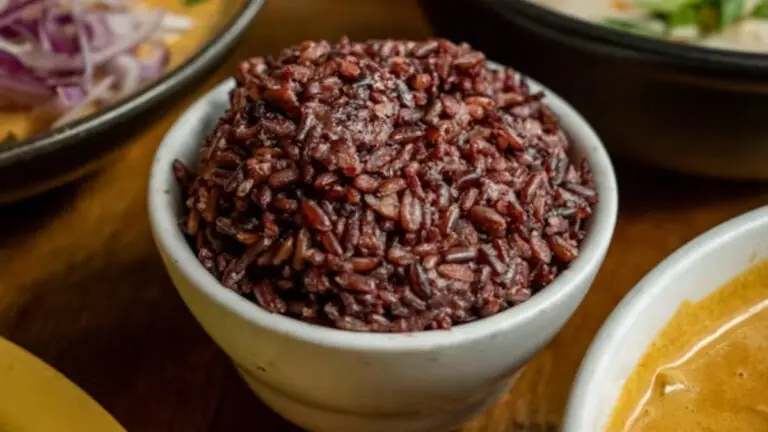
Brown rice requires sustained high pressure to break down its fibrous bran layer. Thus, ensure that you’re not using a low-pressure cooker, the one with a mis-managed whistled or ring, or a gentle setting on an electric cooker. As for a stovetop pressure cooker, you’ll need about fifteen minutes till the cooker reaches its full pressure. If you’re cooking less than one cup of rice, the job will be done faster. Lastly, resist the urge to decide the cooking time based on your experience of getting the fluffiest batch of white rice. While white rice requires about 5 to 10 minutes to cook, brown rice needs triple that time due its structural density.
Let The Pressure Release Naturally
The way you let the pressure release matter just as much cooking time. There are two main ways to release the pressure, natural pressure release (NPR), where you turn off the heat and and allow the cooker’s pressure to drop on its own. The other is quick release (QR), when you manually pick up the whistle and release the steam. For cooking brown rice, letting the pressure release naturally is recommended. The resting period lets the rice continue to cook with the help of the trapped steam. In case the steam is released quickly, the rice will end up moist and with an uneven texture.
Season The Cooking Water
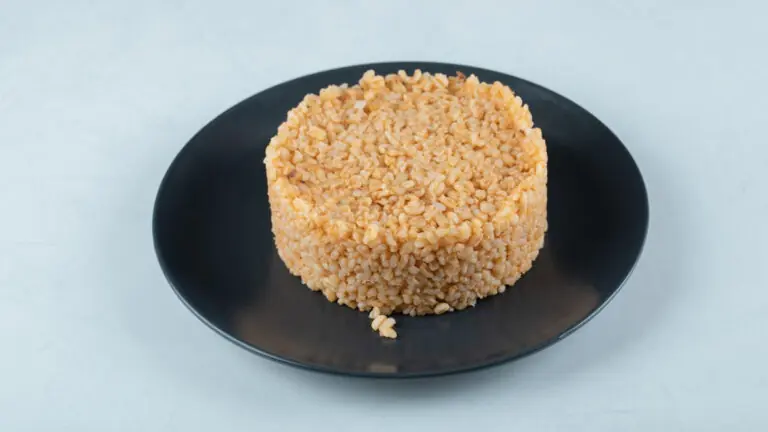
A lot of cooks season rice after it is cooked. However, brown rice tends to absorb flavour when the seasoning goes into the cooking liquid. You can add a pinch of salt per cup of rice into the water before pressure cooking. The dissolved salt will help the grains to absorb extra moisture rather than having the seasoning sit on the surface. You can also add aromatics like crushed garlic cloves, bay leaf, minced ginger, black pepper, and more. To turn your serving of brown rice into much more than a side dish, you can use vegetable broth or stock instead of plain water. Once the rice is cooked, you can garnish the top layer with toasted sesame seeds or cashew nuts, some lime juice, and chopped coriander leaves before serving.