How To Make Curd Without Curd? Try These Easy Homemade Dahi Hacks
How To Make Curd Without Curd? Try These Easy Homemade Dahi Hacks
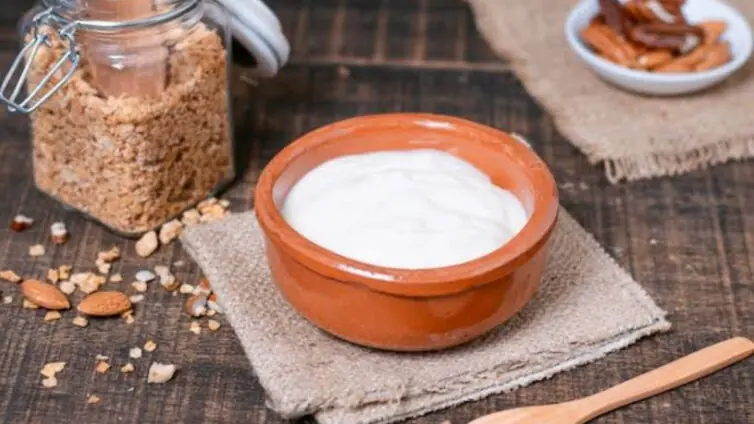


The air inside a kitchen is constantly alive with invisible, beneficial wild microbes just waiting for the right environment to multiply. Harnessing this hidden ecosystem makes it possible to recreate an ancient culinary transformation using everyday ingredients that carry their own secret biological blueprints.
Realising that the container of curd in the refrigerator is completely empty just when you plan to set a fresh batch is a common kitchen frustration. The traditional process of making dahi relies entirely on a spoonful of an older batch, known as the jamun or khatta, to introduce the necessary live bacteria to the fresh milk. When you find yourself without this vital starter, it is still entirely possible to make homemade curd by utilising common ingredients like fresh chillies or lemon juice. These alternatives allow you to tamper with the milk chemistry to harness wild bacteria or create the exact acidic environment required to curdle milk proteins. These methods require a bit more patience and precise temperature control than standard setting, but they are incredibly reliable ways to build a brand new starter culture right on your kitchen counter.
The Science Of Wild Fermentation
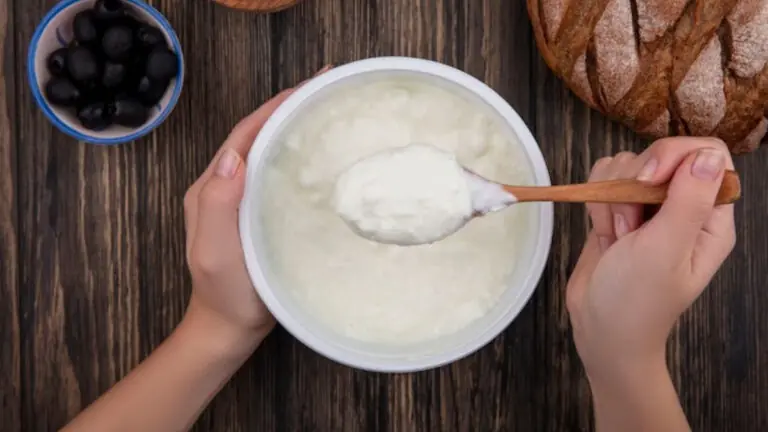
Understanding how milk transforms into dahi helps clarify why these alternative methods actually work. The setting process requires a specific strain of lactic acid bacteria to feed on the natural sugars present in the milk, producing lactic acid which thickens the liquid into a solid mass. Normally, a spoonful of an old batch does this job instantly because it already contains millions of active cultures. When you are starting completely from scratch, you have to coax wild bacteria present in nature into a warm bowl of milk to begin the process. This alternative method takes a little longer than using a standard starter and requires absolute control over the temperature of your kitchen environment. The milk must be boiled thoroughly to eliminate any bad bacteria and then cooled until it is just lukewarm to the touch before you introduce your chosen substitute.
The Green Chilli Stem Method
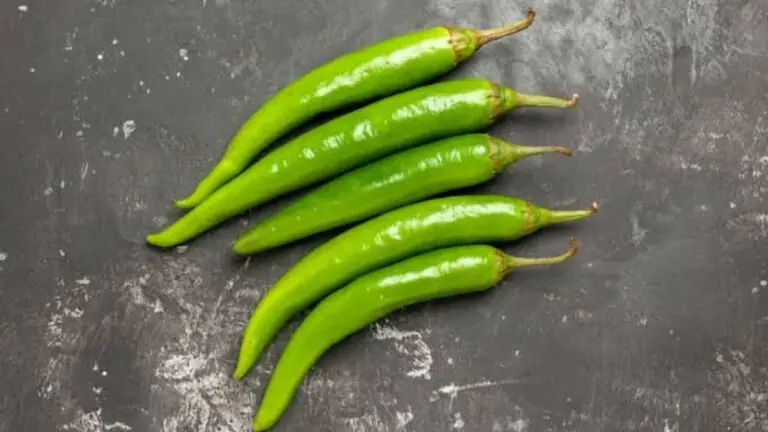
The use of fresh green stalks is perhaps the most reliable traditional hack for creating a fresh batch of dahi starter when your fridge is empty. The stems of green chillies are naturally rich in the specific lactobacillus bacteria needed to ferment milk proteins effectively. To use this method successfully, you need to boil full fat milk and let it cool down to a lukewarm temperature where it feels warm but comfortable against your skin. Take two or three fresh green chillies and wash them thoroughly, making sure to keep their green caps and stems completely intact because that is where the bacteria reside. Submerge the chillies fully into the warm milk, ensuring the stems are completely covered by the liquid. Cover the bowl with a heavy lid, wrap it in a warm kitchen towel, and leave it undisturbed in a dark corner for at least ten to twelve hours until the liquid sets.
Dry Red Chillies For A Thicker Set
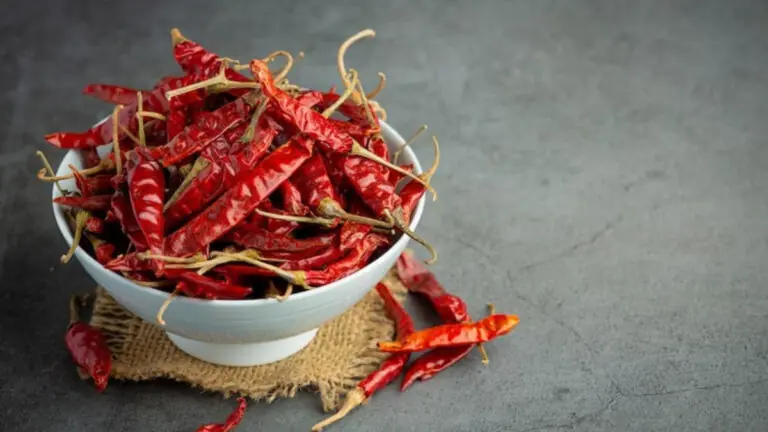
If you do not have fresh green chillies in your vegetable basket, you can achieve a similar fermentation result using whole dry red chillies from your spice box. Just like their green counterparts, the dried stems and caps of red chillies carry the necessary microflora required to sour and curdle milk. You prepare the milk in the exact same way by heating it thoroughly and letting it cool to a comfortable lukewarm stage before dropping the spices in. Drop two whole dry red chillies into the milk, ensuring they have not lost their top caps during storage. Because dry chillies release their natural oils and heat slowly, the final curd might carry a very faint smoky flavour and a slightly yellowish tint. This initial batch should be treated strictly as a seed culture to ferment a fresh pot of milk the next day, which will turn out perfectly white, thick, and free of any chilli flavour.
Lemon Juice And The Acid Catalyst
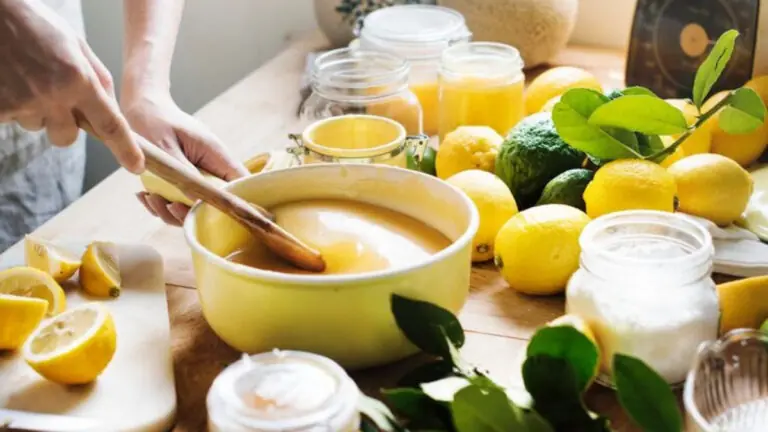
When you need a quick alternative and do not have any type of chillies available in your pantry, fresh lemon juice can be used to kickstart the thickening process. It is important to understand that lemon juice acts primarily as a chemical acid that curdles the milk proteins rather than introducing live biological bacteria immediately. Squeeze a single teaspoon of fresh lemon juice into a bowl of warm milk and stir it gently just once to distribute the acidity evenly. Cover the container tightly and place it in a warm area like an unlit oven for several hours to allow the proteins to clump together. While this initial result behaves more like a soft cheese or a very loose curd, it develops a sharp acidity over the next few hours. This sour environment naturally encourages the growth of beneficial lactic acid bacteria from the air, allowing you to save a spoonful of this mixture to use as a proper live starter for your next regular batch of dahi.
Creating The Ideal Warm Environment
Regardless of the specific kitchen hack you choose to experiment with, the ultimate success of making curd without a starter depends entirely on maintaining a consistent temperature. Wild bacteria are highly sensitive to cold drafts and will refuse to multiply if the milk drops to room temperature too quickly. During the warm summer months, finding a suitable spot is relatively easy, but you still need to keep the bowl away from direct fan breeze or air conditioning vents. Placing the covered bowl inside a closed microwave or an unlit oven helps to trap the residual heat of the milk effectively. If the curd still looks watery after twelve hours, leave it alone for a few more hours rather than moving it around, because disturbing the liquid prevents the delicate protein chains from bonding together into a solid structure.