Paryushan Fasting Rules: Jain Vrat Diet Guide
Paryushan Fasting Rules: Jain Vrat Diet Guide
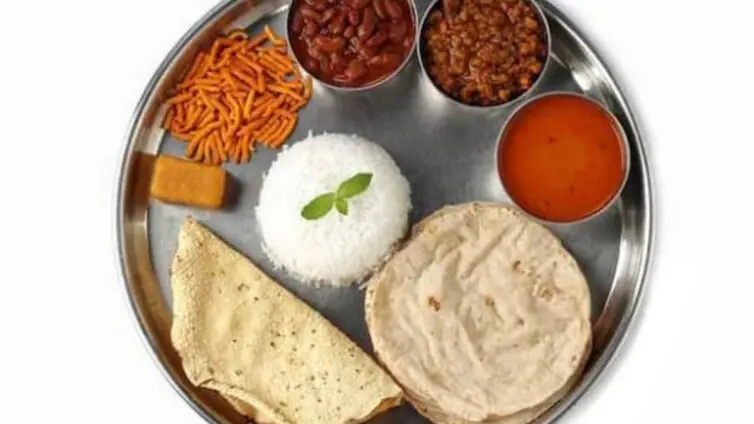


Observing the strict dietary guidelines of Jain Paryushan requires a profound understanding of nonviolence and spiritual discipline. Exploring the specific rules reveals how relying solely on dried lentils, pure dairy, and whole spices creates a minimalist diet. This mindful approach cleanses the physical body while rigorously protecting microscopic life during the monsoon season.
Paryushan stands as a profoundly significant period of Jain fasting and introspection. It is a time dedicated entirely to spiritual purification and the strict practice of nonviolence. The dietary rules observed during these eight to ten days go far beyond simple calorie restriction or physical detox. Every single culinary choice is governed by the absolute necessity to minimise harm to all living organisms. This core philosophy completely transforms the daily kitchen routine. It demands the elimination of fresh greens and underground produce in favour of dried pantry staples. Navigating this highly restrictive menu requires careful planning and a deep appreciation for minimalist cooking. Without the usual pungent aromatics and fresh produce, home cooks must rely on precise thermal techniques and high quality equipment to prepare meals that provide sustained energy. Embracing these dietary boundaries allows devotees to disconnect from sensory indulgences and focus entirely on their spiritual practices. Understanding the logic behind these strict guidelines reveals a culinary tradition deeply rooted in compassion and environmental awareness.
The Strict Prohibition Of Root Vegetables And Greens

The most defining characteristic of the Paryushan diet is the complete elimination of root vegetables. Ingredients like potatoes, onions, garlic, and carrots fall under the category of anantkay. This classification means they host countless microscopic organisms. Uprooting them also destroys the entire host plant, which directly violates the core principle of nonviolence. During the specific days of the festival, even leafy green vegetables and fresh fruits are widely avoided by many fasting devotees. Plucking them during the wet monsoon season significantly increases the risk of harming tiny insects that thrive in the damp foliage. This massive restriction forces a complete shift away from typical daily meals. It demands that cooks build flavour profiles entirely from dried spices like roasted cumin, coriander seeds, and dry mango powder.
Relying On Dried Lentils And Flours
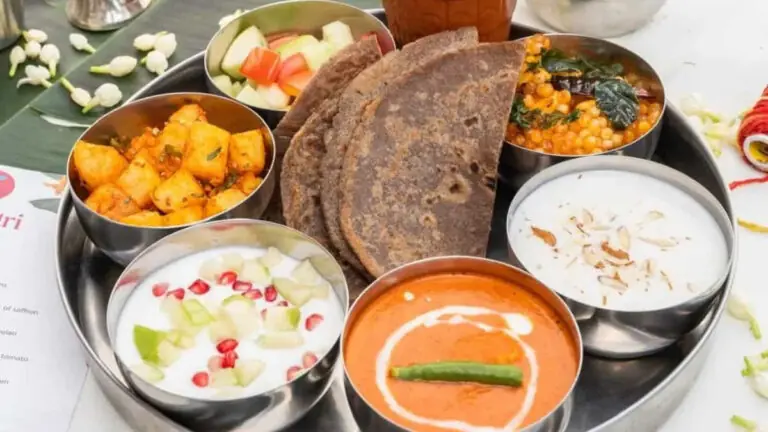
With fresh produce entirely off the table, the diet relies heavily on the nutritional density of dried lentils, whole wheat, and gram flour. Moong dal, chana dal, and urad dal become the primary sources of daily protein and complex carbohydrates. These dried staples are soaked and cooked meticulously to create thick, comforting gravies and savoury flour pancakes. Boiling these heavy lentils to the perfect creamy consistency requires a highly reliable cooking vessel. Using a Pressure Cooker ensures that the lentils soften entirely without the starchy water frothing messily over the lid and onto the stove. The efficient pressure cooking process saves immense time and fuel. It transforms hard grains into a highly digestible and comforting base for the primary meal of the day.
The Practice Of Ayambil And Minimal Spicing

Many devotees undertake a highly specific type of fast known as Ayambil. This rigorous practice restricts the diet to just one single meal a day. This particular meal is entirely devoid of spices, salt, sugar, oil, and dairy products. It consists solely of boiled grains and lentils. The primary goal is to completely detach the human mind from the everyday pleasures of taste. Even for those observing standard fasts rather than Ayambil, the use of spices remains incredibly minimal across the board. Dry roasting cumin seeds or boiling simple grain broths demands a heavy and responsive cooking vessel. Utilising a Kadai provides the exact thermal control needed to toast dry ingredients evenly without any risk of scorching. This ensures the pure, unadulterated flavours of the grains shine through.
The Role Of Dairy And Simple Flatbreads
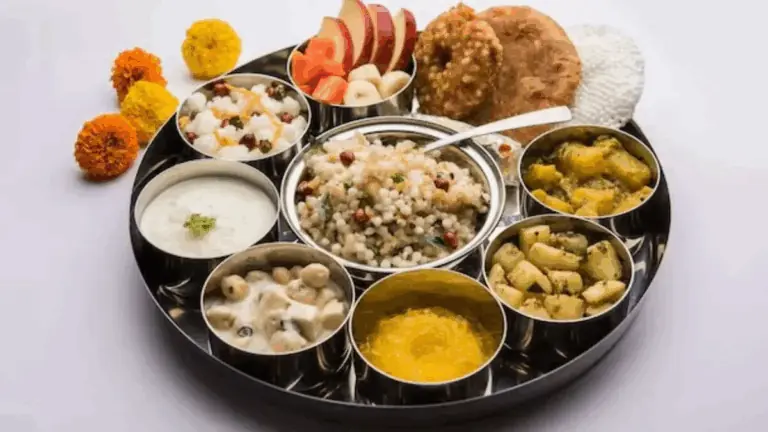
For devotees observing less severe fasts, fresh dairy products like milk, curd, and pure ghee offer crucial sustenance and essential fats. Fresh homemade curd acts as a cooling agent and provides necessary probiotics when fermented correctly at home. Ghee replaces all seed oils for cooking and tempering, lending a deep, nutty richness to simple lentil dishes. To accompany the lentils, cooks prepare crisp flatbreads like khakhra or soft whole wheat rotis. Cooking these unleavened breads requires a completely flat, highly conductive surface. Using a Tawa ensures the rotis puff up perfectly and the khakhras crisp up evenly from edge to edge. This provides a deeply satisfying textural contrast to the soft dal without requiring any heavy frying.
Water Purification And The Sunset Rule
The discipline of Paryushan extends well beyond solid food to the very water consumed throughout the day. All drinking water must be boiled rigorously and then cooled to ensure any microscopic life forms are neutralised. This purification process is strictly followed in every household observing the fast. To manage this constant need for boiled water, utilising a high capacity Electric Kettle allows households to prepare safe drinking water quickly and efficiently. Furthermore, the timing of meals is just as critical as the ingredients themselves. The practice of Chauvihar dictates that absolutely no food or water may be consumed after sunset. This ancient rule prevents the accidental ingestion of insects that become highly active in the dark. Managing the kitchen schedule to ensure all boiling, cooking, and eating concludes well before dusk requires immense discipline and transforms the daily routine into a deeply mindful practice.