Jains avoid eating root vegetables like onions, roots, and tubers since doing so damages microscopic life forms, and because the bulb is seen as a living thing, as it can sprout in Jainism. Additionally, most root veggies require the entire plant to be uprooted and killed before consumption. whereas eating the majority of terrestrial veggies does not cause the plant to die (it lives on after plucking the vegetables, or it was seasonally supposed to wither away anyway).
At the same time, it presents a unique culinary challenge with the exclusion of ingredients like onion and garlic. However, Jain cooking offers a fascinating array of ingredient substitutes that enable the creation of flavourful and aromatic dishes, and one such example is the Jain version of aloo gobhi.
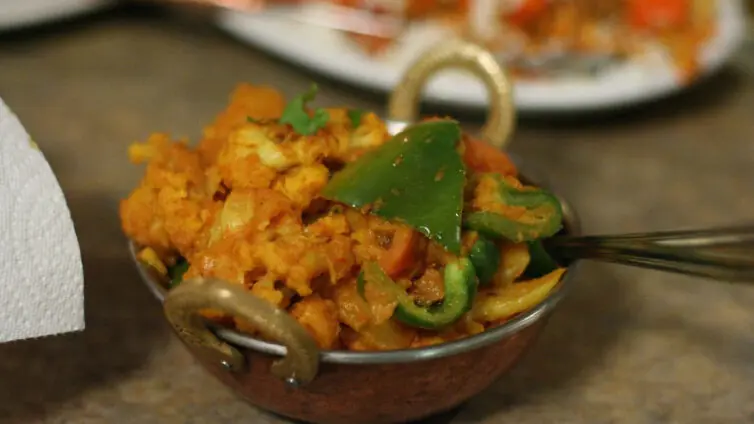
Aloo gobhi is a very popular North Indian vegetarian cuisine prepared with potatoes (aloo), cauliflower (gobhi), ginger, green chillies, and a few spices. It may be eaten with chapati or paratha, or as a side dish
Jains avoid eating root vegetables like onions, roots, and tubers since doing so damages microscopic life forms, and because the bulb is seen as a living thing, as it can sprout in Jainism. Additionally, most root veggies require the entire plant to be uprooted and killed before consumption. whereas eating the majority of terrestrial veggies does not cause the plant to die (it lives on after plucking the vegetables, or it was seasonally supposed to wither away anyway).
At the same time, it presents a unique culinary challenge with the exclusion of ingredients like onion and garlic. However, Jain cooking offers a fascinating array of ingredient substitutes that enable the creation of flavourful and aromatic dishes, and one such example is the Jain version of aloo gobhi.
Aloo gobhi is a very popular North Indian vegetarian cuisine prepared with potatoes (aloo), cauliflower (gobhi), ginger, green chillies, and a few spices. It may be eaten with chapati or paratha, or as a side dish with dal rice. But this version will not use any onion or garlic, and if you follow these steps, you can easily whip it up and taste how simple and wonderful it is!
Read More