Onam Sadhya 2026: Complete Guide To The Traditional Feast
Onam Sadhya 2026: Complete Guide To The Traditional Feast
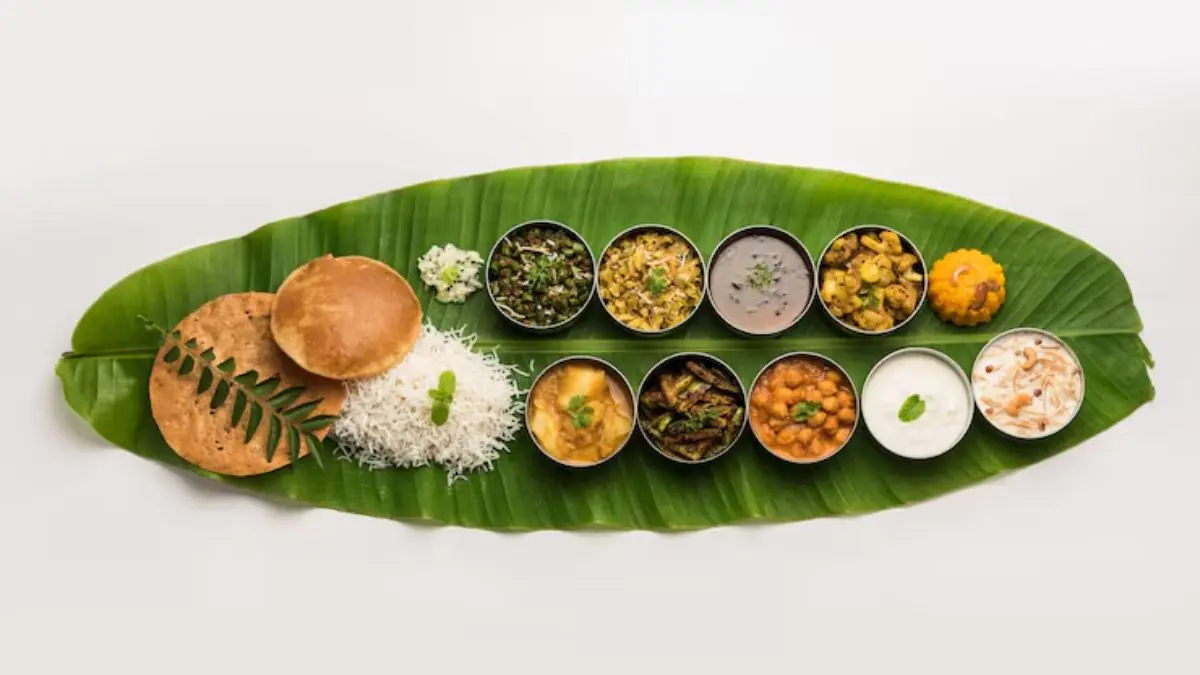


Exploring the vibrant culinary traditions of the Onam 2026 offers a deep dive into regional harvest celebrations. A complete breakdown of the complex vegetarian feast reveals the meticulous sequencing of flavours, essential regional ingredients, and proper dining etiquette required for this grand September festival.
The Onam 2026 Sadhya stands as the ultimate culinary centrepiece of the annual harvest festival, representing a beautiful synthesis of seasonal abundance and regional cooking techniques. Served entirely on a fresh plantain leaf, this elaborate vegetarian meal traditionally features anywhere from two dozen to thirty distinct dishes. The feast is carefully designed to activate all taste receptors, balancing sweet, sour, salty, bitter, and spicy flavours in a highly specific and mathematical sequence. Preparing a Sadhya requires immense coordination in the kitchen, as different vegetables, legumes, and coconut preparations must be cooked simultaneously to ensure everything is served fresh and warm. Beyond mere sustenance, the meal reflects the agricultural heritage of the southern coast, showcasing hyper local ingredients like ash gourd, yam, plantains, and copious amounts of freshly scraped coconut. Experiencing this grand feast involves understanding the strict rules of placement, the correct order of consumption, and the cultural significance embedded in every single grain of rice served.
The Geometry Of The Plantain Leaf
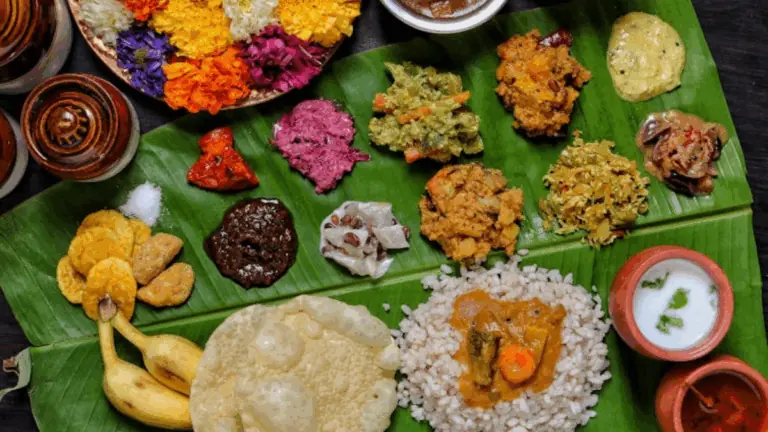
The placement of items on the banana leaf follows strict historical rules that have been passed down through generations. Before any food appears, the freshly washed leaf is placed on the floor or table, ensuring the narrow end points specifically to the left side of the diner. Serving always begins from the bottom left corner and gradually moves upwards and across the top half before the main rice is finally served in the very centre. This deliberate geometry allows the diner to easily access dry items, wet curries, and sharp pickles without mixing them prematurely. The leaf itself is not just a plate, but an active ingredient, as the warm food releases the subtle, earthy oils of the plantain, adding a very faint but distinct aroma to the entire meal.
Crispy Beginnings And Tangy Relishes
The culinary journey begins with texture and sharp contrasts. The bottom left corner holds crispy items like upperi, which are thinly sliced and deeply fried banana chips, alongside sarkara varatti, consisting of thick banana pieces heavily coated in dark jaggery and dry ginger powder. Next to these crunchy elements sit the vibrant pickles, typically a fiery raw mango pickle and a sour wild lemon pickle. Beside them rests the indispensable inji curry, a dark brown, thick relish made from crushed fresh ginger, tart tamarind, and sweet jaggery. This specific ginger curry acts as a crucial digestive aid and provides a sharp flavour contrast that cleanses the palate between bites of the milder, coconut heavy vegetable dishes that follow.
The Core Vegetable Preparations

The top half of the leaf showcases a stunning array of dry and semi dry vegetable dishes, each highlighting a different cooking method. Avial is arguably the most famous, featuring a hearty mix of local vegetables cooked with grated coconut, green chillies, and a generous finishing drizzle of raw coconut oil. Next is the thoran, a dry preparation where finely chopped vegetables like cabbage or long beans are flash fried with mustard seeds and fresh coconut. Olan provides a subtle, soothing contrast, consisting of translucent ash gourd and red beans cooked gently in light, unspiced coconut milk. You will also find kaalan, made with dense yam and raw banana in a thick, sour yoghurt and black pepper paste, alongside erissery, where sweet pumpkin and red beans are mashed together and topped with heavily roasted grated coconut.
The Progression Of Main Courses
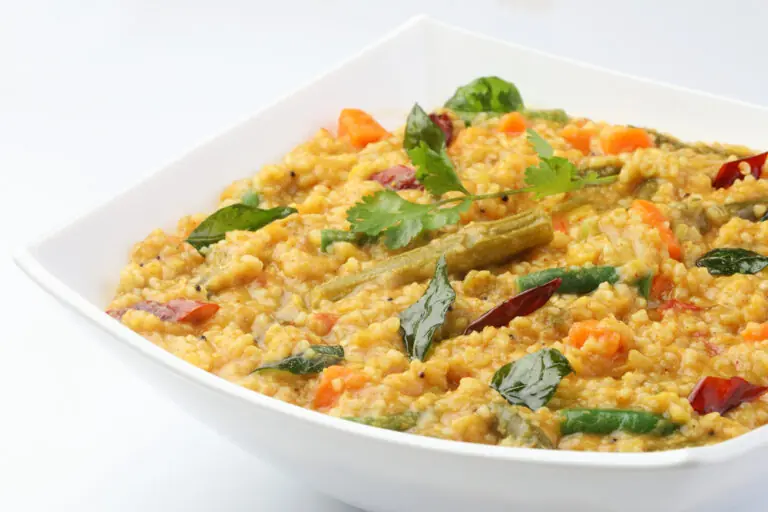
Once the perimeter of the leaf is fully decorated, a generous mound of plump, red Kerala matta rice is served in the lower centre. The meal then progresses through several liquid curries poured directly over the rice in a specific order. The first course is parippu, a thick, mild lentil curry that is always topped with a spoonful of warm, liquid ghee. After the lentils are consumed, sambar is poured over a fresh serving of rice. This sambar is a complex, hearty vegetable stew simmered in a deeply spiced tamarind broth. The final savoury liquid courses include pulissery, a light and spiced yoghurt curry that cools the stomach, followed by rasam, a clear, watery, and intensely peppery soup that aids in digesting the heavy meal.
The Sweet Conclusion With Payasam
No festive feast is complete without a rich dessert, and the Sadhya concludes with multiple varieties of payasam. These sweet puddings are traditionally poured directly onto the bottom right corner of the leaf, though serving them in small cups has become common. Ada pradhaman remains the most traditional and revered option, made with flat, steamed rice flakes cooked slowly in rich coconut milk and dark, unrefined jaggery. The deep caramel notes of the jaggery perfectly complement the thick coconut base. This dark dessert is often followed by palada payasam, a much lighter, pinkish pudding made by reducing whole milk with sugar and rice flakes until it achieves a velvety, condensed texture. Diners often crush a ripe small banana and a crisp pappadam into the payasam to create a wonderful mixture of sweet, salty, and crunchy textures.
Traditional Dining Etiquette And Closure
Eating a traditional Sadhya is an incredibly tactile and mindful experience. Diners are expected to use only their right hand to mix the rice and curries, a practice that helps blend the varied textures and temperatures of the meal seamlessly. Eating with the fingers enhances the sensory connection to the food, allowing you to gauge the heat and consistency before taking a bite. The meal demands a slow, deliberate pace, encouraging you to savour the distinct flavour profiles of all twenty six dishes. Once the feast is finally finished, dining etiquette requires you to fold the top half of the plantain leaf down towards yourself. This simple gesture signifies deep satisfaction with the food and indicates to the host that your meal is complete.