How To Choose The Right Cooking Oil For Different Recipes
How To Choose The Right Cooking Oil For Different Recipes
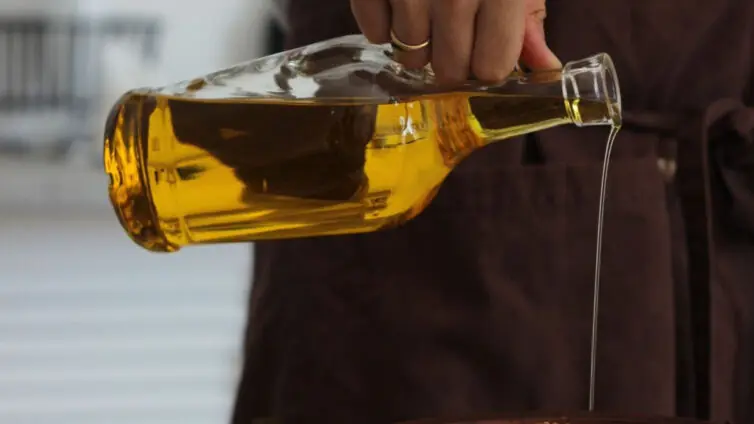


From frying and tempering to salad dressings and baking, the oil you choose can change a dish. Here’s how to pick one based on heat, flavour and cooking method.
Walk into the cooking oil section of any supermarket, and you’ll find enough options to make a simple grocery run feel complicated. Sunflower, groundnut, rice bran, mustard, coconut, sesame, olive oil. Then come refined, cold-pressed, virgin and extra virgin varieties.
So, what goes into making the right choice?
Let’s Look At How You Are Cooking
Different cooking methods expose oil to different temperatures.
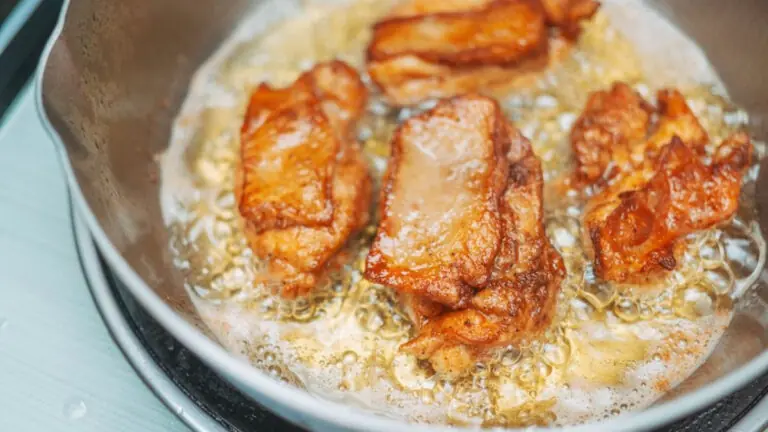
Deep frying and stir-frying involve considerably more heat than making a salad dressing or drizzling oil over cooked vegetables. For these methods, you want an oil that can handle the temperature involved without smoking readily.
Groundnut, sunflower and rice bran oils are commonly used for everyday high-heat cooking. Refined versions generally have a neutral flavour, which also makes them useful when you want the ingredients in the dish to remain the focus.
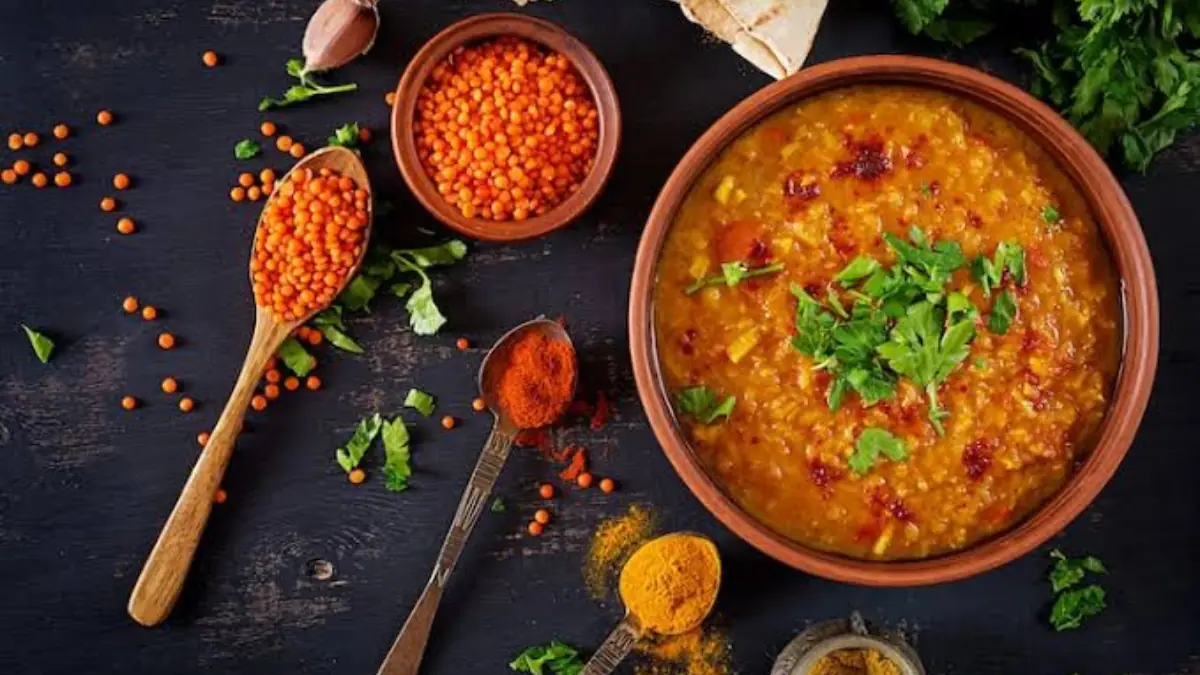
Tempering is slightly different. You heat the oil, add spices such as cumin, mustard seeds or dried red chillies, and let them release their aroma. Here, flavour becomes part of the decision. If you are making a dal with a mustard oil tadka, for instance, the oil contributes a noticeable pungency. Groundnut or sunflower oil will give you a milder base.
Why Does The Flavour Of The Oil Matter?
While some oils have a mild flavour, others have a strong taste that (sometimes) becomes part of the recipe.
Mustard oil has a strong, pungent character that works particularly well with several Indian preparations, including fish curries, pickles and certain vegetable dishes. If you enjoy that sharp flavour, it can add plenty of depth to a recipe.
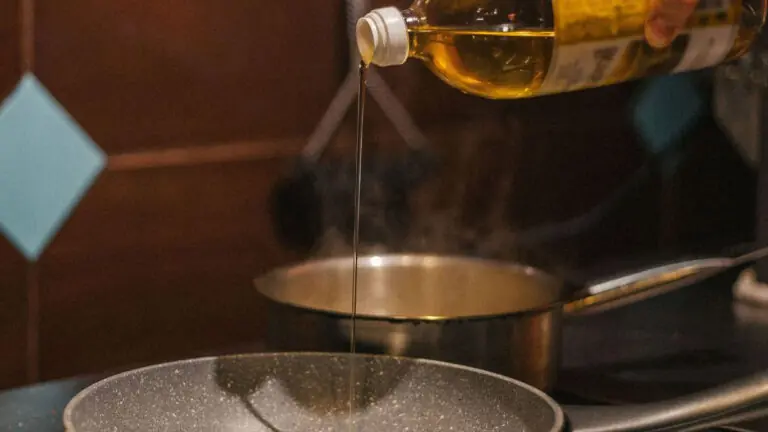
Coconut oil has a distinctive aroma and pairs naturally with many South Indian dishes. Sesame oil brings a nutty flavour that works well in several South Indian preparations as well as Asian-style stir-fries, marinades and dressings.
Groundnut oil sits somewhere in between. It has some character but remains versatile enough for everyday cooking.
Then there are neutral oils such as sunflower and rice bran. They work well when you want your onions, spices, vegetables or protein to provide most of the flavour.
Which Oil Works For Indian Cooking?
Indian cooking covers a huge range of techniques, so there isn’t much sense in assigning one oil to the entire cuisine. Take frying, for instance. If you are making pakoras, puris or samosas, the oil needs to withstand the heat required for deep frying. You also want a flavour that suits the food.
For shallow frying fish, cutlets or vegetables, groundnut, sunflower and rice bran oils can all be useful choices.
Then there’s the humble tadka. A spoonful of mustard oil can change the character of a dish completely. Sesame oil can bring nuttiness to certain preparations, while groundnut or sunflower oil keeps things relatively neutral.
For curries and sabzis, you have even more freedom. If the dish already contains plenty of spices and aromatics, a neutral oil can let those flavours come through. If you are making something where the oil is traditionally part of the flavour, such as some mustard-oil-based Bengali preparations, using the appropriate oil makes sense.
Where Does Olive Oil Fit In?
Olive oil has become a regular feature in many Indian kitchens today, but you don’t have to use it for everything.
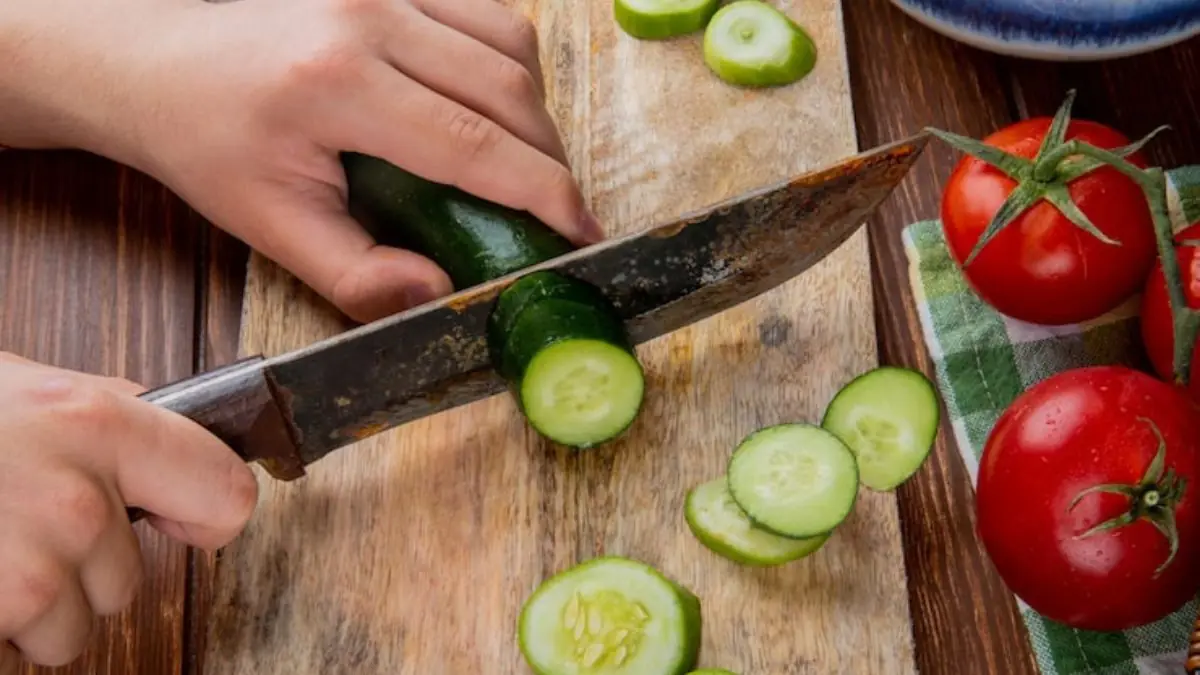
Extra virgin olive oil has a distinctive flavour and works particularly well in applications where you can actually taste it. Think salad dressings, dips, marinades, finishing oil or dishes cooked over moderate heat. A simple salad of tomatoes, cucumber, feta and herbs, for example, benefits from a good drizzle of extra virgin olive oil. The same goes for hummus, roasted vegetables or a vinaigrette.

You can also cook with olive oil. The variety you choose and the temperature you use matter, though. Extra virgin olive oil is suited to many everyday cooking applications, but very high-heat cooking calls for an oil selected specifically for that purpose. If you are making puris, there’s little reason to reach for an expensive extra virgin olive oil. Then, a suitable high-heat cooking oil is a more practical option.
Cold-Pressed Or Refined: The Better Fit
Cold-pressed oils are extracted mechanically and generally retain more of the natural flavour and aroma of the source ingredient. On the other hand, refined oils go through additional processing and generally have a more neutral taste. Many refined oils also have properties that make them suitable for high-temperature cooking.
Your choice should therefore follow the recipe rather than the label alone. If you are making a salad dressing and want the nutty flavour of sesame oil, a cold-pressed sesame oil can work beautifully. If you are frying something at high heat and want an oil that stays neutral, a refined oil may be more convenient.
What Is Smoke Point?
You must have heard about an oil’s smoke point when discussing cooking. This refers to the temperature at which the oil begins to visibly smoke.
You don’t want your cooking oil smoking heavily. Apart from affecting the flavour, overheating oil can cause unwanted chemical changes. The cooking temperature and the oil’s characteristics therefore, need to work together. Deep frying requires more heat than gently sautéing onions. A salad dressing requires none.
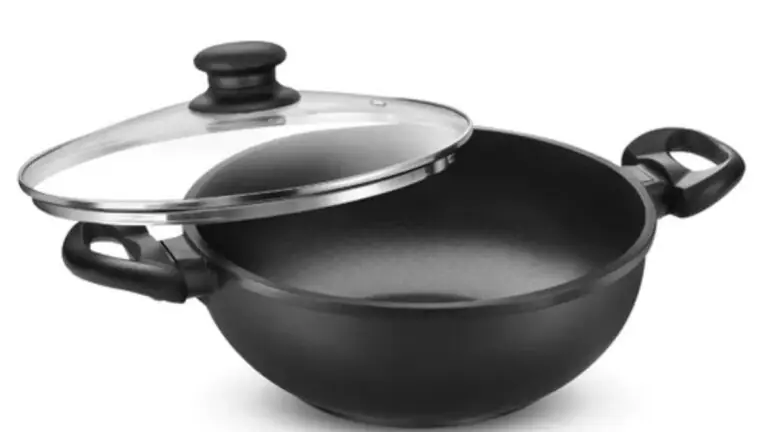
If your oil starts smoking, turn down the heat rather than continuing to cook at the same temperature. And if you are deep frying, avoid repeatedly heating the same oil. Oil degrades with repeated heating, so it’s better to use fresh oil when required and handle used frying oil carefully in a fry pan or kadai.
Health Claims And Marketing
Oil labels often come with plenty of health-focused language. You will see claims about lightness, natural extraction, heart health and various nutritional properties. These claims can make choosing an oil seem like an examination we need to pass. Instead, look at the oil’s overall fat composition, how you use it and how much you consume. Different oils contain different proportions of saturated, monounsaturated and polyunsaturated fats. Using a variety of oils across your cooking can help you get a broader mix of fatty acids.
The quantity matters too. Even an oil with a favourable nutritional profile adds a significant amount of energy to your diet, so portion size still counts.
Let The Recipe Lead
When you are standing in front of a shelf full of cooking oils, start with the food you are about to make. Choose your oil based on the dish, cooking temperature and flavour you want. A versatile everyday oil, along with a few flavourful options for specific recipes, is enough for most kitchens.