Why Does Every Diwali Mithai Box Have Kaju Katli? Tracing India’s Most Popular Nut-Based Sweet
Why Does Every Diwali Mithai Box Have Kaju Katli? Tracing India’s Most Popular Nut-Based Sweet
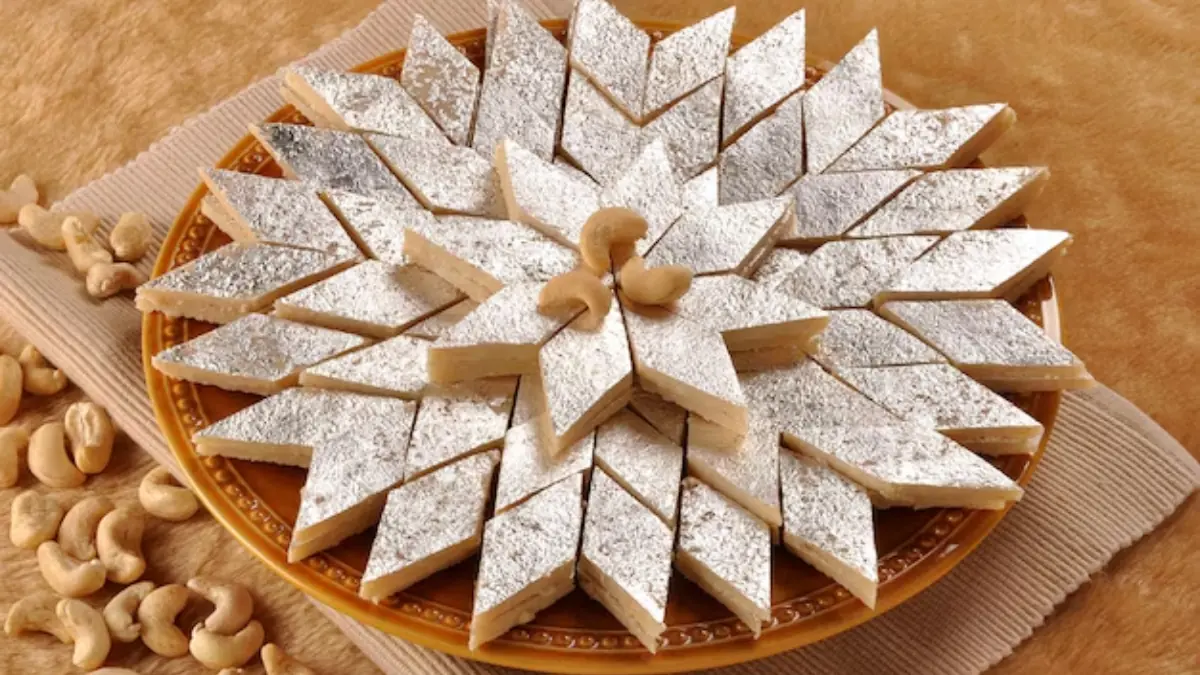


Synopsis: Kaju katli is a Diwali favourite, found in mithai boxes exchanged between family, friends and colleagues. This article looks at the sweet’s history, its royal associations and the skill involved in getting its smooth texture and signature diamond shape just right.
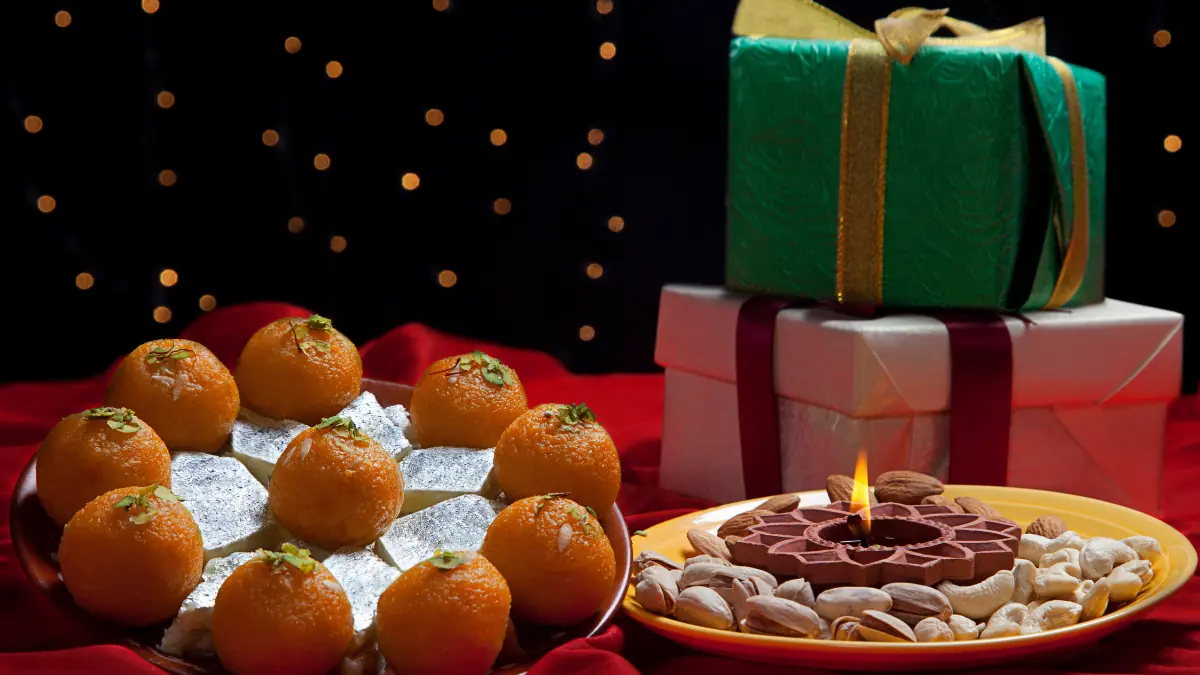
When the festive season arrives and decorative cardboard and tin boxes are exchanged among friends, family, and corporate colleagues, one unmistakable sweet invariably commands the central position. Adorned with a delicate sheet of edible silver leaf and cut into precise, elegant diamonds, Kaju Katli has become the universal symbol of Diwali hospitality and luxury. Unlike heavy khoya sweets that spoil quickly or laddu varieties that crumble easily under pressure, Kaju Katli strikes a rare balance. It offers a smooth, melt-in-the-mouth texture, a sophisticated nutty sweetness, and a clean aesthetic that appeals across generations. Understanding its enduring dominance requires exploring centuries of culinary history, the unique properties of cashew nuts, and the precise techniques required to achieve its legendary sheen.
Royal Roots And The Evolution Of Cashew Confectionery
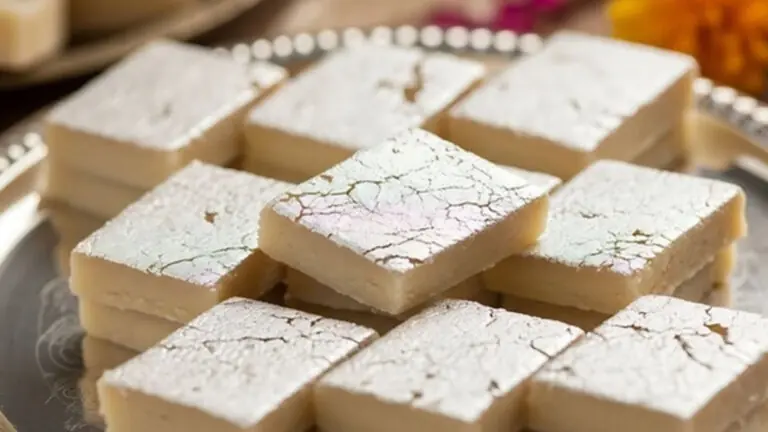
The story of Kaju Katli is intertwined with the royal kitchens of medieval India, though the cashew nut itself is not natively indigenous to the subcontinent. Introduced by Portuguese traders in the sixteenth century during their arrival on the western coast of Goa, cashew trees initially flourished along the tropical coastal belts before spreading inland. Mughal royal khansamas quickly recognised the culinary potential of the cashew’s rich, buttery kernel. In royal courts where dried fruits and nuts were prized markers of wealth and status, confectioners began experimenting with grinding soaked cashews into fine pastes and cooking them down with sugar syrups. Over centuries, this royal experimentation evolved from rich, ghee-heavy shahi confections into the streamlined, refined sweet known today simply as Kaju Katli, shedding heavy dairy fats in favour of pure nut solids.
The Culinary Science Of Cashew Paste And Sugar Syrup
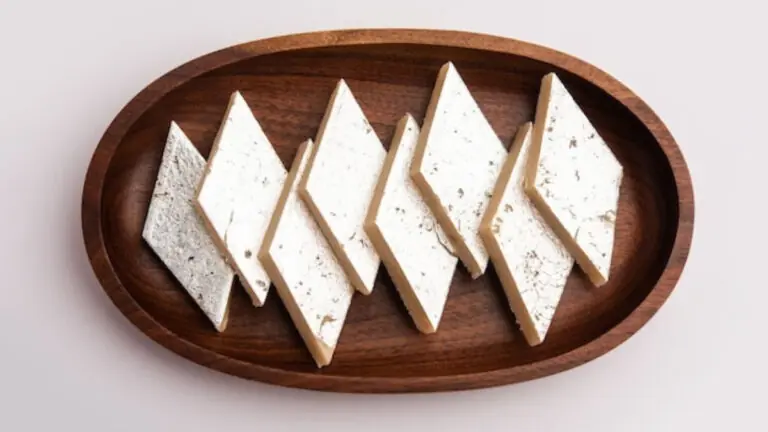
Creating flawless Kaju Katli is a masterclass in sugar confectionery and fat emulsification. The process begins with soaking high-grade cashew kernels, after which they must be ground into a perfectly smooth paste. This step demands absolute precision because cashews possess a very high natural oil content. If ground improperly or for too long, the friction generates heat, causing the fats to separate and turning the mixture into an oily paste rather than a cohesive dough. Once the paste is achieved, it is cooked with a sugar syrup boiled to a specific consistency, traditionally the one-string or soft-ball stage. As the mixture cooks over gentle heat, continuous stirring prevents scorching and helps the moisture evaporate until the dough leaves the sides of the pan cleanly, forming a pliable mass that can be rolled out evenly.
Precision Equipment For Perfect Texture
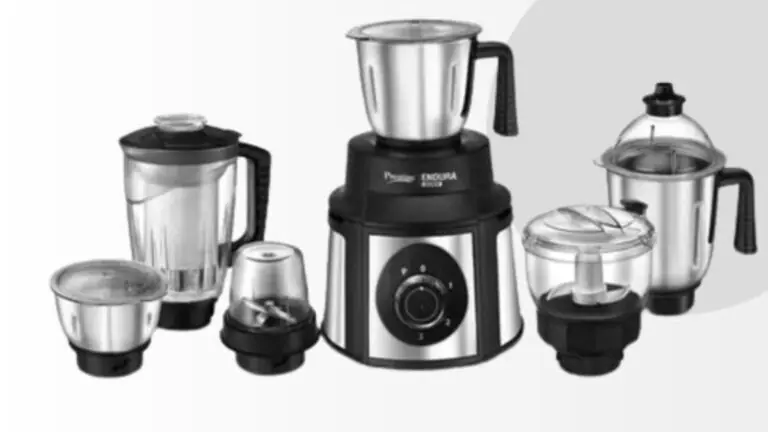
Mastering this delicate culinary balance at home requires reliable tools that eliminate guesswork, particularly during the initial grinding and syrup stages. Achieving a micro-fine cashew powder without releasing excess oil is effortless when using a Mixer Grinder, whose high-torque motor and sharp stainless steel blades pulverise the soaked nuts rapidly and evenly. Following the grinding phase, controlling the sugar syrup and reducing the cashew-sugar dough requires steady, unfluctuating heat to prevent the delicate sugars from caramelising into an amber tint. Preparing this mixture on an Induction Cooktop provides exact wattage control, allowing home cooks to maintain a low, gentle simmer that ensures the fudge achieves its signature ivory-white purity without burning at the base of the pan. Once rolled to an even thickness and topped with edible silver leaf, the sheet is sliced into iconic diamond shapes using a sharp blade, sealing its status as a work of edible art.
Cultural Prestige And The Modern Gifting Economy
Beyond its physical appeal, Kaju Katli holds a powerful cultural status that explains its ubiquitous presence in every Diwali hamper. In Indian tradition, gifting sweets is an expression of goodwill, wishes for prosperity, and social bonding. Cashews, being relatively expensive compared to chickpea flour or wheat, historically signified abundance and generosity. Furthermore, Kaju Katli bridges traditional and modern palates effortlessly. Its clean, dairy-forward flavour profile and fine texture make it universally acceptable, even for those who shy away from heavily spiced or fibrous sweets. As modern gifting trends evolve to prioritise shelf life, elegant presentation, and sophisticated flavour, Kaju Katli remains secure on its throne as India’s ultimate festive sweet, embodying the timeless spirit of Diwali joy.