5 Street Foods To Try At A Kolkata Durga Puja Pandal
5 Street Foods To Try At A Kolkata Durga Puja Pandal
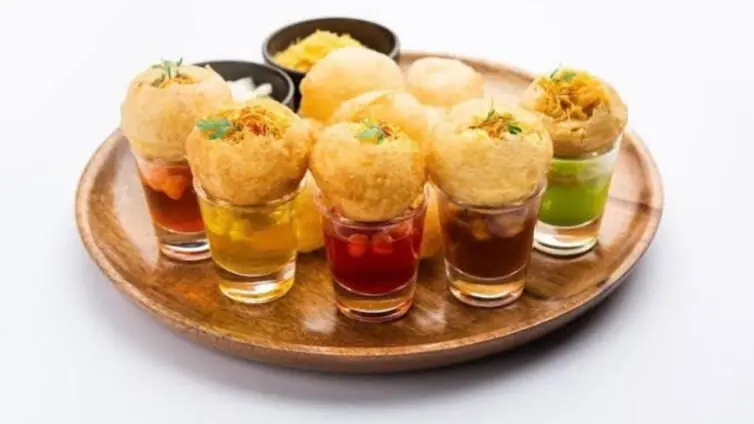


Durga Puja pandal hopping in Kolkata is never complete without stopping for some of the city’s much-loved street food. From crisp phuchkas and smoky kathi rolls to golden bhetki fish fries, these five favourites bring plenty of crunch, spice and flavour to the festivities. Here’s a look at the street foods worth seeking out while exploring the city during Puja.
During Durga Puja, the streets of Kolkata transform into an open-air carnival that runs well into the early hours of the morning. Surrounding every brightly lit pandal are rows of sizzling food stalls, filling the night air with the aromas of roasting spices, smoking ghee, and bubbling oil. Pandal hopping is incomplete without stopping at these vibrant stalls to recharge between visiting art installations. The street food culture of Kolkata during the festival is fast-paced and driven by time-tested techniques that maximise crunch, tang, and rich savoury warmth.
Recreating these iconic street eats at home brings the electric energy of Kolkata’s night markets into your own kitchen. Whether you are flash-frying crumbed fish cutlets, searing flaky parathas, or chopping fresh aromatics for tangy fillings, achieving street-style precision requires quick prep work and steady heat control. Using reliable cookware helps you maintain consistent oil temperatures, ensuring your festive snacks emerge crisp, golden, and completely oil-free.
Authentic Kolkata Kathi Roll
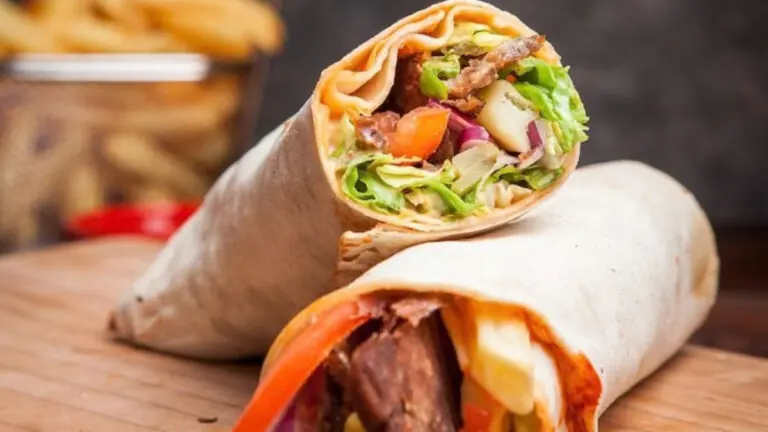
Originating from the legendary Nizam’s eatery in Kolkata, the classic Kathi Roll is the undisputed king of pandal-hopping fuel. Unlike Western-style wraps, a true Kolkata roll features a flaky, layered paratha made from refined flour dough that is pan-fried in ghee. An egg is cracked directly onto the hot tawa and the paratha is pressed on top, bonding the soft egg layer to the crispy bread. The roll is filled with skewer-roasted chicken or mutton kebabs, raw sliced red onions, finely chopped green chillies, a squeeze of fresh lime juice, and a dusting of black salt and chaat masala. Authentic Kolkata rolls never use heavy mayonnaise or tomato ketchup, relying instead on raw onion crunch and citrus acidity to cut through the rich, ghee-fried paratha. Searing the paratha on a Granite Tawa ensures the bread crisps up evenly without sticking or scorching, allowing you to roll it tightly while piping hot.
Fiery Phuchka With Gondhoraj Tamarind Water

No trip to a Puja pandal is complete without waiting in line at a phuchkha stall. While similar to North Indian golgappa or Mumbai pani puri, the Kolkata phuchka is a distinct entity. The hollow crisp puri is made from a blend of semolina and flour, yielding a darker, shatteringly crisp shell. The filling consists of boiled potatoes mashed with boiled yellow peas, roasted cumin-chilli powder, black salt, coriander, and fiery green chillies. What truly elevates the phuchka is the water: an ice-cold, pungent tamarind infusion spiked with fresh green chilli paste and the fragrant juice and zest of Bengal’s famous Gondhoraj lime. Prep work for the filling requires mashing and chopping aromatics quickly, where using a Electric Vegetable Chopper helps you mince green chillies and herbs into uniform pieces in seconds.
Flaky Mughlai Paratha
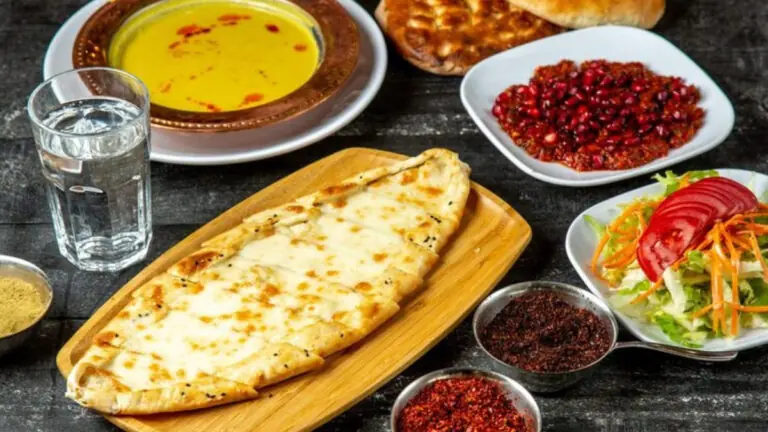
A legacy of the royal Mughlai kitchens adapted into a beloved street snack, Mughlai Paratha is a decadent, deep-fried stuffed flatbread. A thin sheet of all-purpose flour dough is stretched flat, topped with a rich mixture of whisked egg, minced chicken or mutton bhuna, finely chopped onions, green chillies, and warm spices. The edges of the dough are quickly folded over the filling into a neat rectangular envelope. The entire package is then slid into a flat pan of hot oil to shallow-fry. The challenge lies in maintaining a medium-low oil temperature so the egg and meat filling cooks through completely while the outer pastry layer turns blistered and golden. Frying this delicate envelope in a Hard Anodised Fry Pan provides even heat retention, ensuring the thick paratha cooks uniformly right to its centre without burning the outer crust.
Crisp Kolkata Bhetki Fish Fry
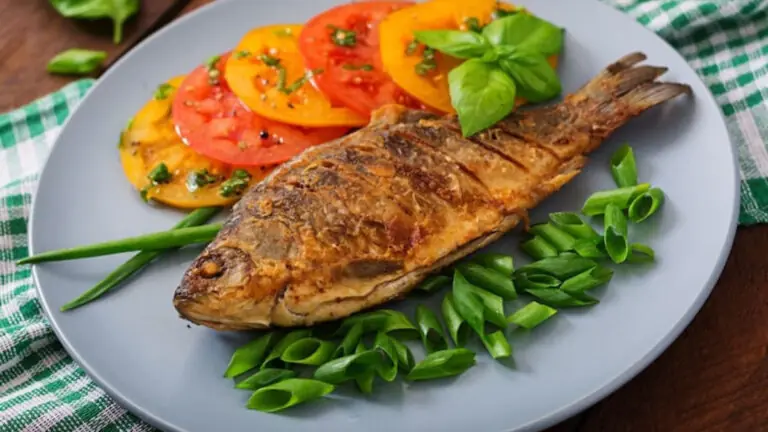
The Bengali Fish Fry is an absolute masterpiece of colonial-influenced street food. It features a thick, rectangular fillet of fresh Bhetki (barramundi) marinated in a bright green paste of coriander, mint, green chillies, garlic, onion, and lemon juice. The marinated fillet is double-coated in seasoned breadcrumbs using a traditional flour-and-egg-wash routine, shaping it into a clean, flat diamond or rectangle. When dropped into hot oil, the breadcrumb coating forms a rigid, golden crust that seals in steam, allowing the delicate fish fillet inside to cook gently in its own juices. Serving it hot with a side of sharp Kasundi (fermented mustard paste) and sliced onions is mandatory. Achieving that crisp, non-greasy exterior requires deep frying at a steady temperature around 180°C, which is easily managed using a heavy-gauge vessel like a Tri-Ply Kadai.
Crunchy Telebhaja And Beguni
Telebhaja, which translates directly to “fried in oil,” refers to the wide variety of deep-fried fritters that line street corners across the city during autumn evenings. Among the most popular options at pandal stalls are Beguni (thinly sliced eggplant dipped in spiced gram flour batter) and Aloo Chop (spiced potato patties encased in batter). The batter relies on coarse besan (gram flour) seasoned with turmeric, red chilli powder, and a pinch of kalo jeere (nigella seeds), mixed with cold water to an airy consistency. When the vegetable slices are dipped and lowered into shimmering hot mustard oil, the batter puffs up immediately into an airy, golden jacket. Maintaining a consistent fry across continuous batches demands heavy-bottomed cookware that holds oil heat without drastic temperature drops.