How To Store Paneer Without A Fridge: Desi Kitchen Hacks
How To Store Paneer Without A Fridge: Desi Kitchen Hacks


Synopsis: Be it the long power cuts, especially in the monsoon season, hostel rooms, or village kitchens, the refrigerator might cease to function or still not exist a lot of the time. However, long before people started to rely on a fridge, there were grandmothers who kept dairy products like paneer and curd far away from turning sour. If you too need the desi kitchen hacks to keep paneer fresh without a fridge, scroll through this guide.
Paneer is a staple ingredient in most Indian kitchens. And every home cook is familiar with the dread when you prepare or bring home a fresh block of paneer, and it turns sour before you get to make that paneer makhani or bhurji with it. Whether you’re facing hours-long power cuts, the refrigerator has given up, or you want to increase the shelf life of paneer in a hostel room which isn’t equipped with a refrigerator, you’re at the right place.
Even though paneer is notoriously perishable, there are time-tested methods to store and prevent it from turning rubbery or sour. Before the advent of refrigerators, the country has been preserving fresh fruits, vegetables, dairy products, and even cooked food. So, the next time you’re on a remote camping trip or end up with a broken refrigerator, here’s how to keep your block of paneer fresh and safe.
Water Bath Method
The water bath method is one of the most widely known trick, and for good reason: it works. Place the paneer block in a clean, deep pot or container and submerge it completely in room-temperature water, making sure it’s fully covered. The water acts as a barrier against air, which is the main reason paneer dries out and turns rubbery or develops a sour smell. It also slows bacterial growth compared to leaving the block exposed.
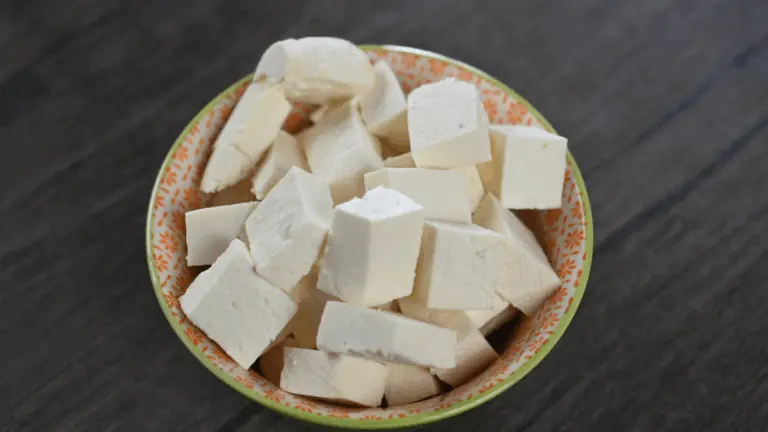
The key to making this hack effective is changing the water every 6 to 8 hours, or at least twice a day. Stagnant water becomes a breeding ground for bacteria just as quickly as dry paneer does, so freshness depends entirely on how diligent the water changes are. Store the bowl in the coolest part of the kitchen, away from direct sunlight or the stove. If done right, this method can keep paneer soft and usable for up to 24 hours, sometimes longer in cooler weather.
Wrap The Paneer Block In A Muslin Cloth
Before plastic wrap and containers took over, muslin cloth (the same thin, breathable cotton fabric used for straining paneer itself) was the go-to wrapping material for dairy products. Take a clean piece of muslin, or any soft cotton cloth, soak it in cool water, wring out the excess so it’s damp but not dripping, and wrap it snugly around the paneer block.
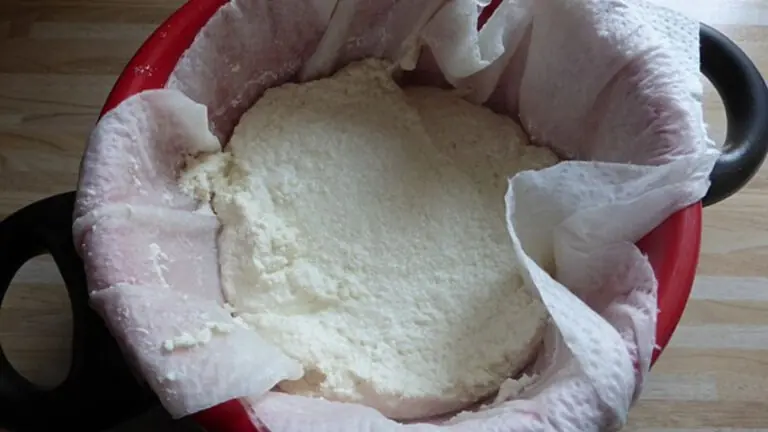
The trick works through evaporative cooling. As the water in the cloth slowly evaporates, it draws heat away from the surface of the paneer, keeping it a few degrees cooler than room temperature – the same science behind the earthen pots covered further down this list. Place the wrapped paneer on a plate in a shaded, well-ventilated spot, never near the gas stove or a sunny windowsill. Re-dampen the cloth every few hours to keep the cooling effect going. This method works well for short durations, roughly 8 to 12 hours, and suits same-day use.
Soak Paneer In A Salted Water Brine
Store-bought paneer sometimes sits in a faintly salty liquid inside its packaging, and this is why: salt is a natural preservative. It draws out moisture through osmosis, which makes the environment inhospitable for the bacteria and mould that cause spoilage. To use this hack, dissolve about a teaspoon of salt into a bowl of clean water, and submerge the paneer block in this light brine instead of plain water.
This method is a slight upgrade to the basic water bath, because the salt actively slows bacterial growth rather than just providing a physical barrier. It’s particularly useful in humid weather, when plain water baths tend to spoil faster. One thing to keep in mind: the paneer will absorb a little of the salt over time, so if this method runs longer than a day, give the paneer a quick rinse before cooking to balance out the seasoning in the final dish.
Mitti Matka To The Rescue
Earthen pots are porous, allowing a small amount of water to seep through the walls and evaporate on the outer surface. That evaporation pulls heat away from whatever is stored inside, creating a naturally cooler microclimate, often several degrees below room temperature.
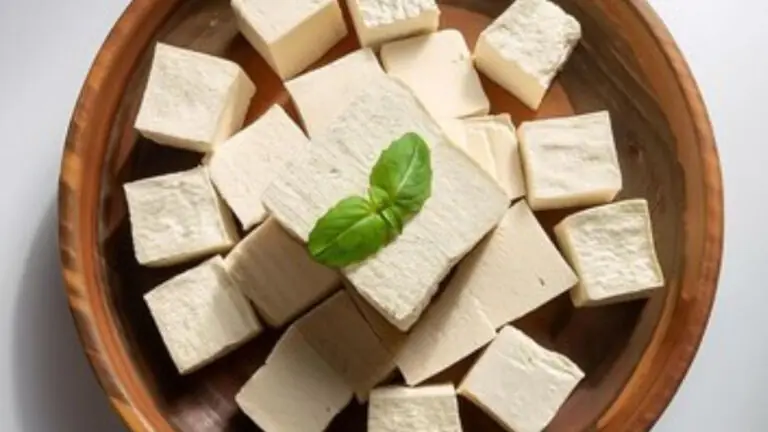
To use this for paneer, place the water-submerged paneer bowl inside a large earthen pot or matka, cover the mouth of the pot with a damp cloth, and set it in the shadiest, most ventilated part of the house. A kitchen corner away from windows works well. For an extra cooling boost, place the matka on a slightly damp cloth or a shallow pan filled with water. Indian villages have used this method for generations to keep milk, yoghurt, paneer, and other dairy fresh, and it can realistically keep paneer good for a full day, sometimes more, in a well-ventilated home.
Ghee Or Oil Immersion
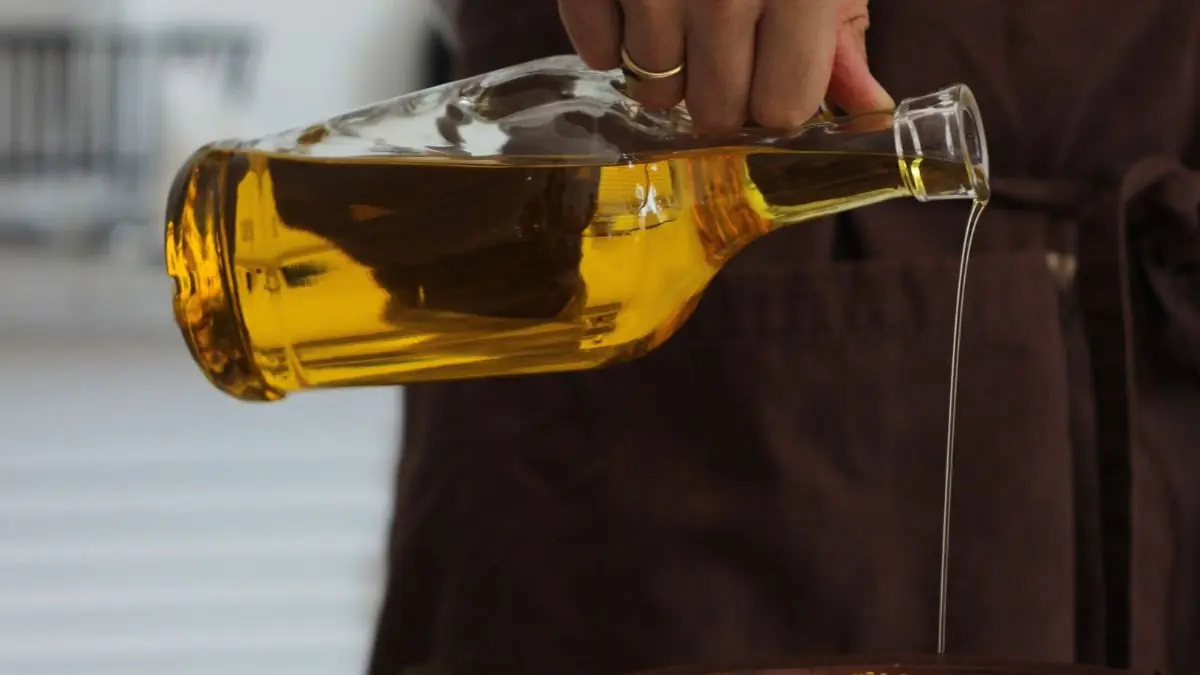
To preserve paneer, you can use fat as a protective layer. Lightly fry the paneer cubes until they develop a faint golden crust, let them cool completely, then submerge them fully in melted ghee or a neutral cooking oil in an airtight container. The layer of fat coats every surface of the paneer, sealing out the air and moisture that bacteria and mould need to thrive.
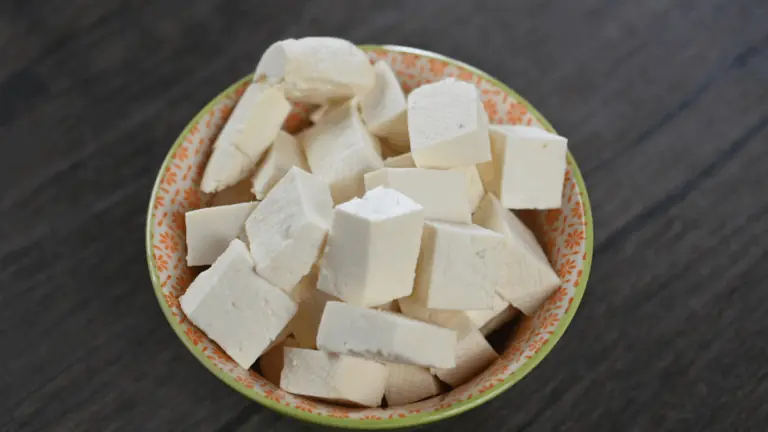
Properly fried and fully submerged paneer stored this way can stay safe for two to three days, even without refrigeration, longer in cooler climates. The frying step matters beyond flavour – it also kills surface bacteria before the preservation process even begins. When it’s time to cook, lift the cubes out, drain off the excess ghee or oil, and use them in curries, stir-fries, or straight up with a sprinkle of chaat masala.
Store In A Cool And Dry Spot
Sometimes the simplest hack is just picking the right spot. Every home, even without air conditioning, has a corner that stays naturally cooler than the rest: usually near the ground, away from direct sunlight, with some airflow. Think under the kitchen counter, inside a wooden cabinet with slats, or a shaded spot near a window that never catches direct sun.
Place the paneer, ideally already wrapped in a damp cloth or submerged in water using one of the earlier methods, in this cooler zone rather than out in the open on a countertop that heats up through the day. Kitchens tend to run warmer than other rooms because of cooking activity, so a cooler adjoining room, even for a few hours during the hottest part of the day, can make a noticeable difference. On its own this hack isn’t much of a solution, but combined with the water bath or damp cloth methods, it adds real staying power.