Brown Rice Vs White Rice: Which One Is Better?
Brown Rice Vs White Rice: Which One Is Better?
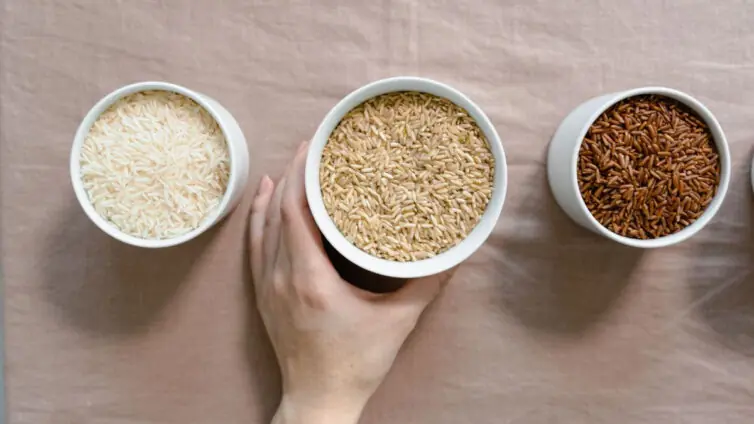


Brown and white rice come from the same grain, but processing changes their fibre, texture and cooking time. Here’s how the two compare and when each makes sense.
Rice is part of everyday meals across India. You may have it with dal and sabzi at lunch, turn it into pulao for dinner or reach for a bowl of curd rice when you want something simple.
Brown rice often gets a healthier reputation, while white rice is sometimes treated as the less nutritious option. Brown and white rice start with the same grain. The difference comes from how much of the grain is removed during processing. That changes their nutritional profile, texture, cooking time and even how they work in certain dishes.
So, before you decide which one belongs on your plate, it might help to know them better.
What Is The Difference Between Brown And White Rice?
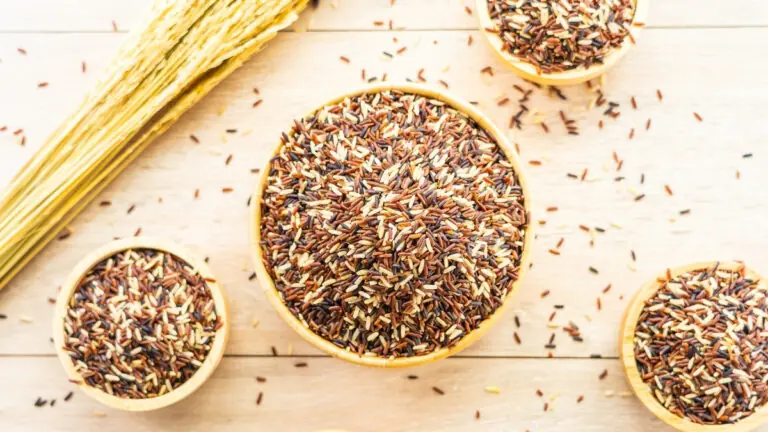
A rice grain is made up of several layers, and the way it’s processed can make a big difference. When you look at brown rice, you can see that it still has the bran and germ, along with the starchy part called the endosperm. But white rice is different; it goes through more processing, which removes the bran and germ, leaving mostly just the endosperm. This processing can affect the nutritional value and texture of the rice.
That extra processing gives white rice its familiar soft texture and lighter colour. It also removes some of the grain’s fibre, vitamins, minerals and other naturally occurring compounds. Brown rice retains more of these components because the bran and germ remain intact.
The key difference in terms of nutrition between the two types of rice lies here. Although the calorie difference is not that significant, opting for brown rice just because you think it has fewer calories isn’t a strong enough reason.
Brown Rice Has More Fibre
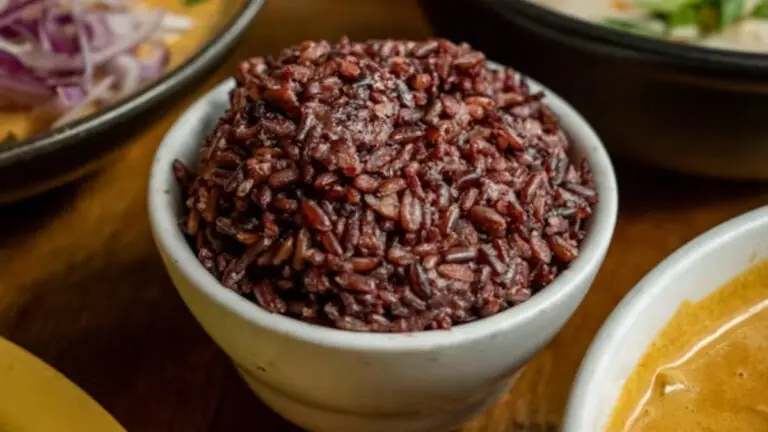
Fibre is one of the biggest differences between brown and white rice. Because brown rice retains the bran layer, it contains considerably more fibre. Fibre supports normal digestion, contributes to feelings of fullness and forms part of a healthy overall diet. White rice contains less fibre because the bran and germ have been removed during milling.
This can matter if you are trying to increase the amount of fibre in your diet. You can get fibre from many other foods too, including vegetables, fruits, pulses, whole grains, nuts and seeds. Your entire diet matters more than whether you choose brown or white rice at one meal.
What About Vitamins And Minerals?
Brown rice retains more of certain nutrients naturally found in the bran and germ, including magnesium, phosphorus and some B vitamins. White rice loses some nutrients during milling. However, in some countries, manufacturers fortify or enrich white rice with selected nutrients after processing. The exact nutritional profile therefore depends on the variety and product you buy.
Rice also works best as part of a meal rather than as the sole source of nutrition. Dal, beans, vegetables, eggs, fish, chicken, curd, nuts and seeds can all contribute nutrients that rice does not provide in large amounts.
Brown vs White Rice: Which One Keeps You Fuller?
Brown rice generally has more fibre, and fibre can help you feel full for longer. The way you build the rest of the meal matters here too. A plate containing rice, dal, vegetables and a source of protein will generally be more filling than a plate dominated by rice alone.
Portion size matters as well. You can eat a large serving of brown rice and still end up consuming more energy than you intended. Switching rice varieties without looking at the rest of the plate will not automatically change the quality of your diet.
Does Brown Rice Affect Blood Sugar Differently?
This is one reason brown rice is often recommended over white rice. White rice is relatively low in fibre and can raise blood glucose more quickly than many whole-grain foods. Brown rice tends to have a lower glycaemic impact, although the exact response varies with the rice variety, cooking method, portion size and what you eat alongside it.
For example, eating rice with dal, vegetables or another source of protein can affect the overall response of the meal.
If you are managing blood glucose, your individual dietary needs matter. A blanket rule that everyone should replace white rice with brown rice oversimplifies the issue.
Why Does Brown Rice Take Longer To Cook?
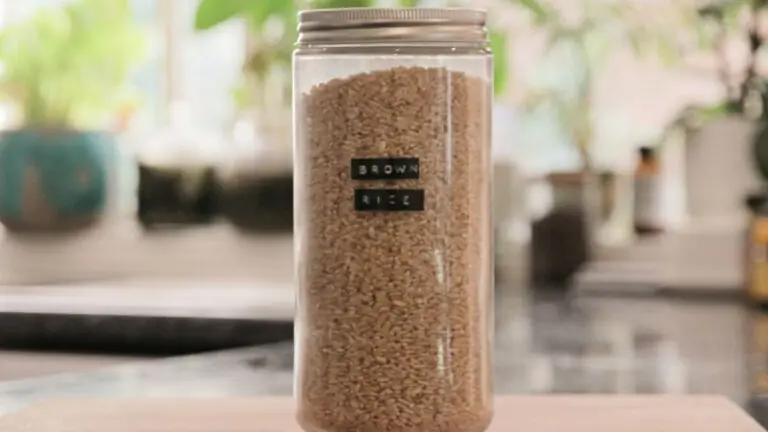
The bran layer that gives brown rice its nutritional advantage also changes its cooking characteristics. Brown rice usually takes longer to cook and remains firmer and chewier than white rice. Some varieties benefit from soaking before cooking, which can reduce the cooking time and produce a softer texture.
White rice cooks faster and becomes softer and fluffier. That makes it convenient for everyday meals, especially when you need rice on the table quickly.
There is also a taste difference. Brown rice has a nuttier, more pronounced flavour, while white rice has a relatively mild taste that works easily with curries, dals and gravies.
Can You Use Them Interchangeably?
It really depends on the situation. If you’re whipping up a basic rice bowl or a pulao, either type of rice can get the job done. Similarly, when you’re cooking a meal with dal and veggies, both options are viable. The key is to tweak the cooking time and water ratio according to the specific variety you’re using.
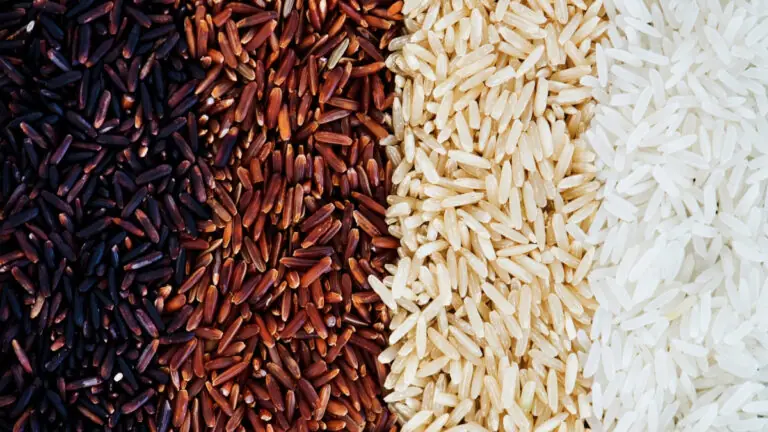
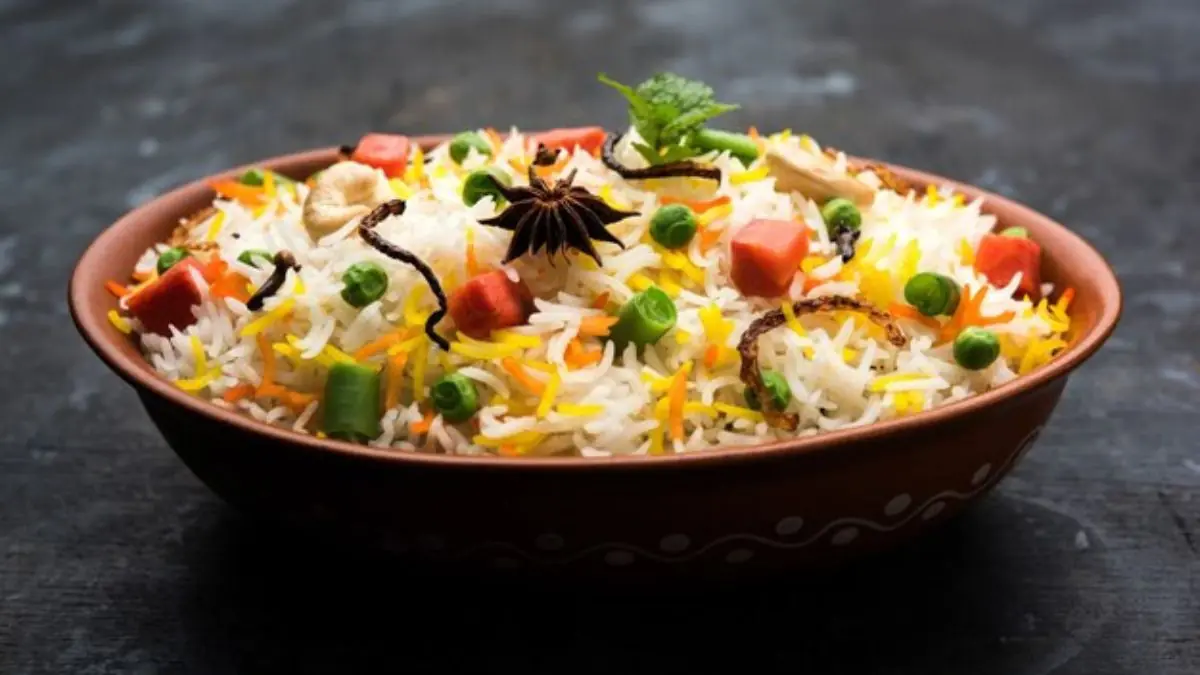
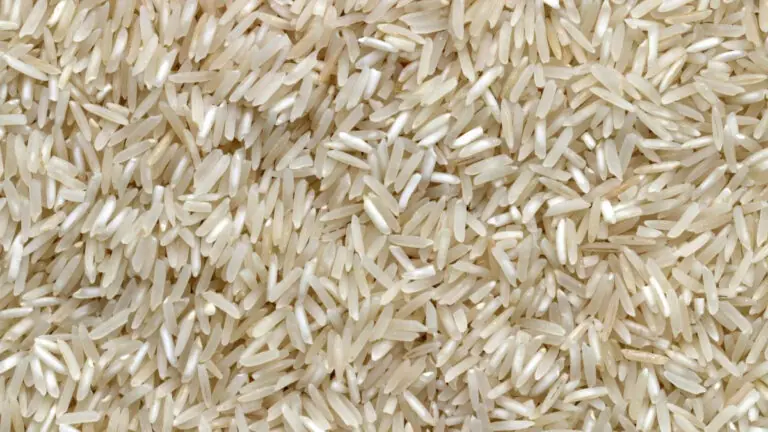
When it comes to cooking, some dishes really depend on the texture of white rice. Take biryani, for instance; it’s typically made with long-grain white rice, like basmati. If you swap that out for brown rice, it completely changes the texture and the way it cooks. This is also true for dishes where the rice is supposed to be soft, sticky, or fluffy; it’s all about the experience. So, you need to choose a type of rice that fits the recipe you’re using.
Is White Rice Unhealthy?
Let’s make one thing clear: white rice is a staple food in many parts of India and can easily fit into a balanced diet. The fact that brown rice contains more fibre does not make white rice a food you need to avoid.
For some individuals, white rice is a better option because it has less fibre, making it easier on the stomach. This can be especially helpful when you’re dealing with digestive issues and need to stick to a simpler diet. After certain health problems, your doctor might recommend a lower-fibre diet, and that’s when white rice can be a good choice. However, if you have a specific medical condition or are following a particular diet, it’s always best to listen to your healthcare professional’s advice; they can give you personalised guidance that’s tailored to your needs.
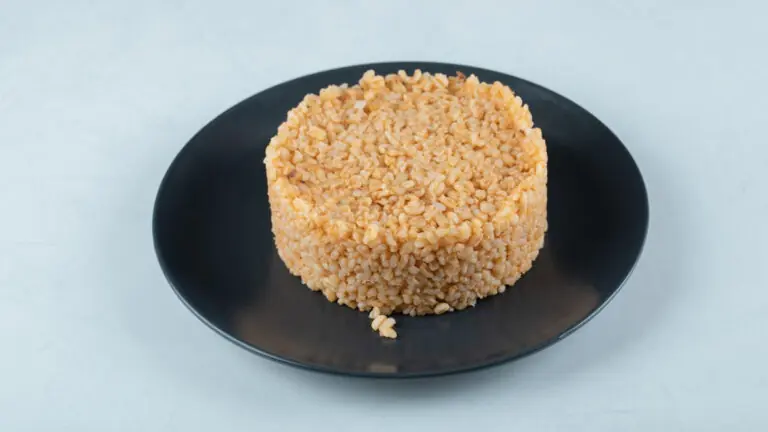
The real problem isn’t the rice itself, but what you eat with it and how much of it you consume. For example, a bowl of white rice paired with dal, veggies, curd, and a source of protein can be a pretty balanced meal. On the other hand, having a huge serving of brown rice with hardly anything else doesn’t necessarily make it a healthier option. It’s all about finding that balance and making sure you’re getting a good mix of nutrients in your meal.
Should You Switch To Brown Rice?
If you enjoy brown rice and want more whole grains and fibre in your diet, it is a useful option. You can also increase whole grains gradually rather than replacing every grain in your kitchen overnight. Try brown rice in a rice bowl, pulao or alongside a vegetable-heavy meal and see how you like its texture and flavour.
If you prefer white rice, you do not have to give it up. Look at the rest of your meals and add fibre through vegetables, pulses, fruits, whole grains, nuts and seeds.
You can also vary your grains. Millets, oats, whole wheat, barley and other whole grains can all contribute to a more varied diet.
Making The Choice
Brown rice has an edge when you compare fibre and some naturally occurring nutrients. White rice scores on convenience, softer texture and versatility.
For most people, the choice comes down to what fits their meals, preferences and overall diet. You can eat either as part of a balanced plate. If you choose white rice, pair it with dal or another protein source, plenty of vegetables and other fibre-rich foods. If you prefer brown rice, use it in meals you genuinely enjoy. At the end of the day, there is room for both in your kitchen.