Common Mistakes To Avoid While Cooking On An Induction Cooktop
Common Mistakes To Avoid While Cooking On An Induction Cooktop
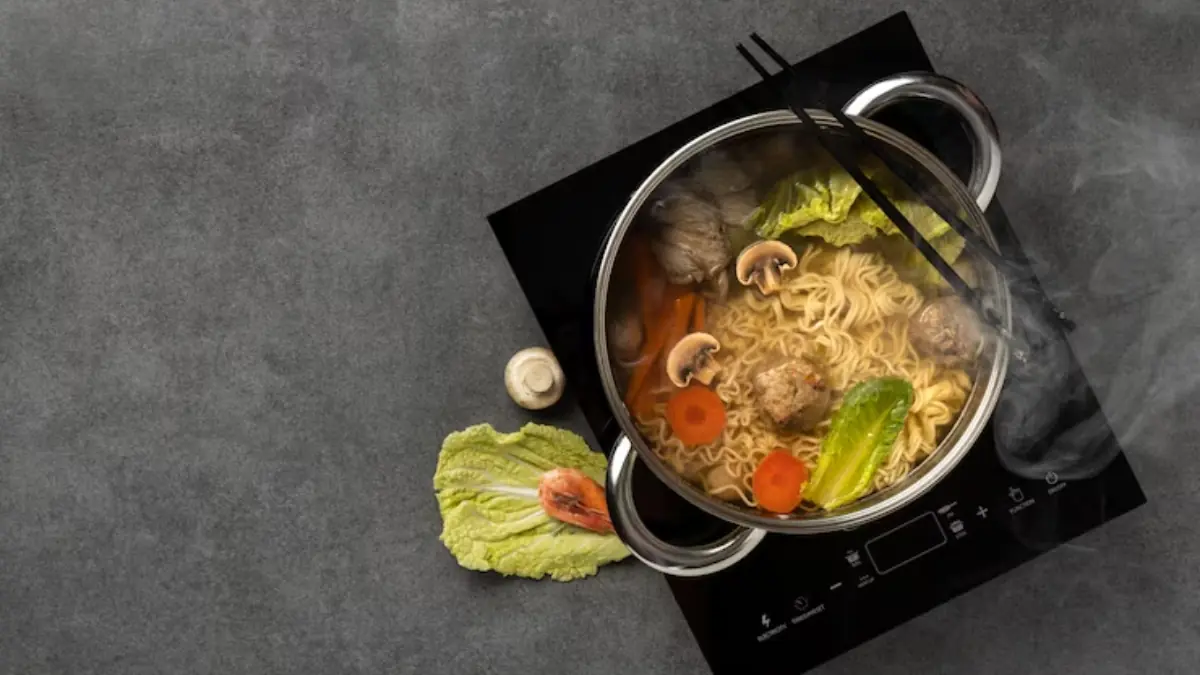


Induction cooktops have become rather popular ever since the prices of LPG shot up. If you’re new to cooking on an induction stove, here are some common mistakes and tips to avoid them and extend your appliance's lifespan.
A lot of people who are new to induction cooking spend their first month thinking something’s wrong with the appliance. The pans that were working just fine on the gas stove don’t heat up, a pot of milk goes from simmering to boiling in seconds, and much more. While none of these instances is a malfunction, there are a few pointers to keep in mind when switching from a gas to an induction stove.
Since an induction works by creating a magnetic field that heats the cookware rather than emitting a flame, the cooking mechanism is slightly different. However, once you get the hang of it, you’d be able to cook without sweating, keeping the fan on, and even faster. All you need to do is be mindful of these common mistakes and know how to fix them in case something goes wrong.
Using Cookware That’s Not Induction-Compatible
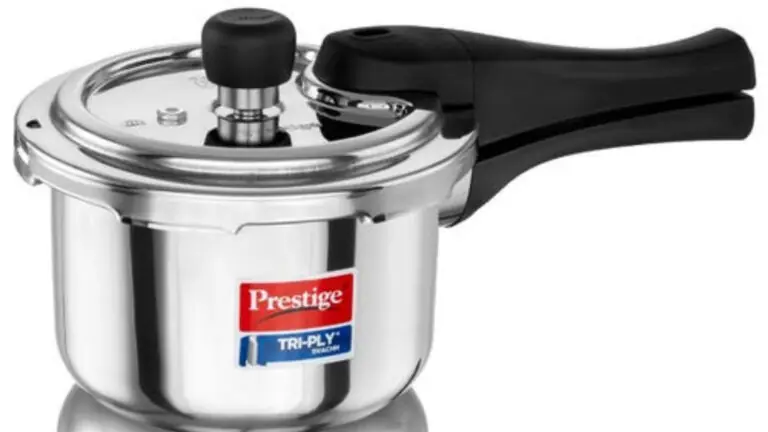
Induction only works with cookware that has enough iron in its base, think cast iron or magnetic stainless steel, because the cooktop generates heat through a magnetic field rather than direct contact. Aluminium, copper, and plain ceramic won’t work at all unless the manufacturer has built a magnetic disc into the bottom. The fastest way to check is a fridge magnet held to the base of the pan: if it snaps on and holds firmly, the pan will work. If it barely sticks, the cooktop won’t recognise it, no matter how high the dial goes. A copper saucepan, for instance, is often pure decoration on an induction burner unless it has that hidden magnetic layer.
Cookware With Uneven Bases
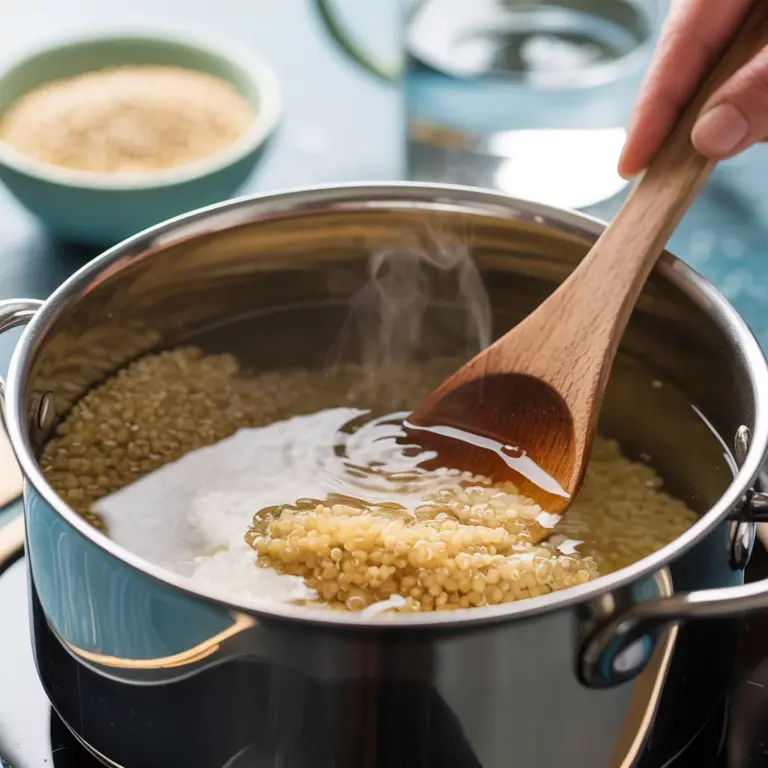
Induction-compatible cookware can still cause problems if the bottom isn’t flat. Induction needs solid, full contact between the pan and the glass to sense it and heat it evenly. A base that’s even slightly bowed heats unevenly, takes longer to get going, and sometimes triggers a “no pan detected” message even though there’s clearly a pan sitting right there. Warping usually results from repeated heating and cooling, especially when a pan is left empty over high heat. Setting pots on a flat counter now and then and checking for rocking catches the problem early. Cheap, thin cookware warps fastest; heavier, well-built pans hold their shape for years.
Immediately Turning The Heat To Maximum
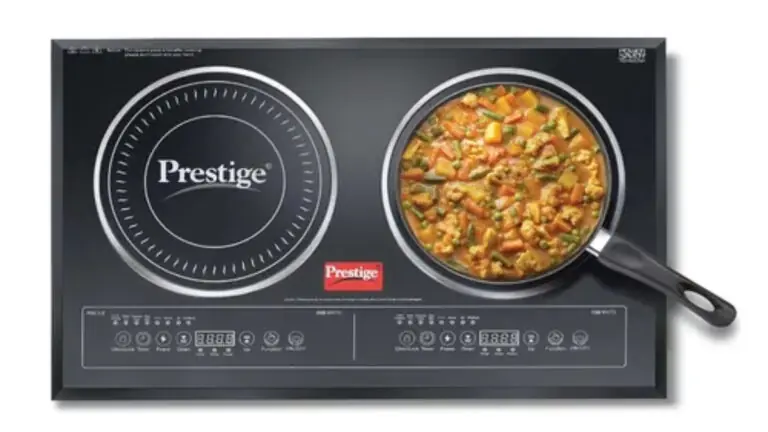
Gas and old electric coils are slow, which trains people to crank the dial higher than necessary to compensate for the delay before anything happens. Induction has no such delay. If you set it too high, the temperature can go from zero to smoking hot in under a minute. This is the mistake that catches almost everyone in the first few weeks. So, always start a notch or two lower than the equivalent setting on the old stove, and adjust up only if it’s actually too slow. After a week or two of paying closer attention, a new sense of “medium” usually sets in.
Leaving An Empty Pan On The Cooktop
Some cooktops have a sensor that cuts the zone if it detects an empty pan running too hot, but plenty of budget models skip that safeguard entirely. The habit worth building is simple: don’t turn the burner on until oil, butter, or liquid is already in the pan, or add it within the first few seconds. Preheating an empty skillet and wandering off to chop vegetables, a common gas-stove habit, is exactly the kind of gap where damage happens on induction. It’s an easy habit to fall into and a costly one to repeat.
Mismanaged Heat And Power Control
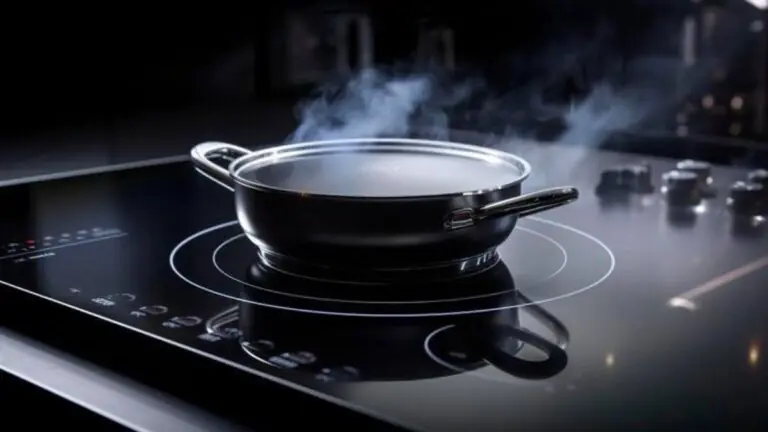
Most induction cooktops offer far more granular control than a traditional stove, sometimes nine or more power levels, plus a built-in timer. Plenty of people stick to two or three settings out of habit and never touch the rest, or mistake the timer button for a heat control and end up with a burner that shuts off mid-simmer for no obvious reason. Ten minutes with the manual usually pays off, just to see what each button actually does. Some models separate power level from a temperature-based mode, and the two behave differently enough that mixing them up throws off results more than almost anything else on this list.
Sliding Heavy Cookware On The Glass Surface
Since the induction cooktop has a glass or ceramic surface, dragging heavy pans or pressure cookers can scratch the surface. And the more the surface is scratched, the less it will be able to heat, thus affecting the overall performance of the appliance. So, while you may have been habitual of dragging pots and pans on your gas stove, continuing to do so on an induction cooktop can harm its heating capacity and also give it a messier finish.
Not Cleaning The Spills Immediately
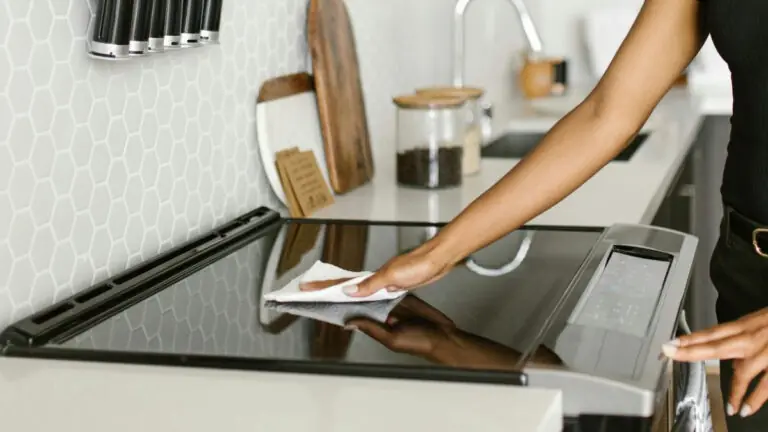
The glass top looks low-maintenance, which is exactly why spills get left too long. Sugary spills are the worst offenders: syrup or sauce can bond to hot glass if it sits, and repeated exposure can etch the surface over time. Dust and grease building up near the vents can also interfere with the cooling fan. Wiping the surface down after every use, once it’s cooled, with a cleaner made for glass-ceramic cooktops rather than a generic glass spray or an abrasive scrubber, keeps the finish intact. Both of those alternatives dull the surface faster than the spills ever would.