Essential Knife Skills Every Home Cook Should Master
Essential Knife Skills Every Home Cook Should Master
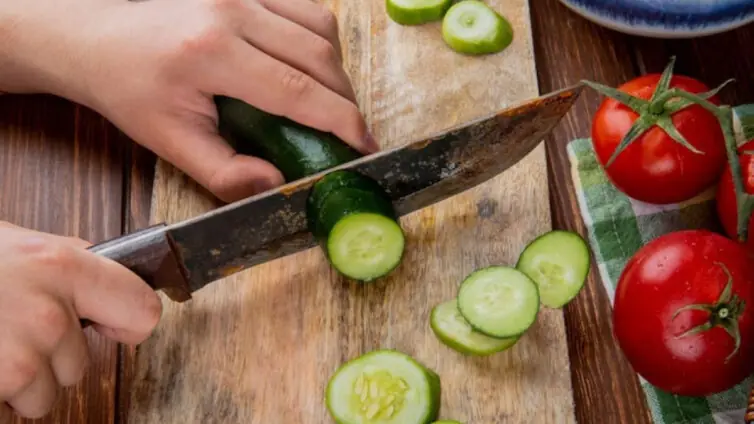


Mastering basic knife techniques transforms daily food preparation from a tedious chore into an efficient and enjoyable process. Exploring fundamental grips and essential cuts reveals how proper blade control improves safety, ensures even cooking, and elevates the overall quality of home cooked meals.
The chef knife is arguably the most important tool in any kitchen, yet many home cooks approach it with a sense of hesitation. A sharp blade and proper technique dictate the texture, cooking time, and visual appeal of every single meal you prepare. Chopping vegetables unevenly means smaller pieces will burn to a crisp before the larger chunks have even begun to soften in the pan. Developing solid knife skills does not require attending culinary school or buying an overly expensive set of blades. It simply requires understanding how to hold the handle correctly, how to position your guiding hand, and how to execute a few foundational cuts with confidence. Taking the time to practise these specific movements builds muscle memory, significantly reducing your prep time and preventing accidental slips. As you become more comfortable wielding your primary knife, you will notice an immediate improvement in the rhythm of your cooking and the final presentation of your food.
The Pinch Grip And The Claw Method
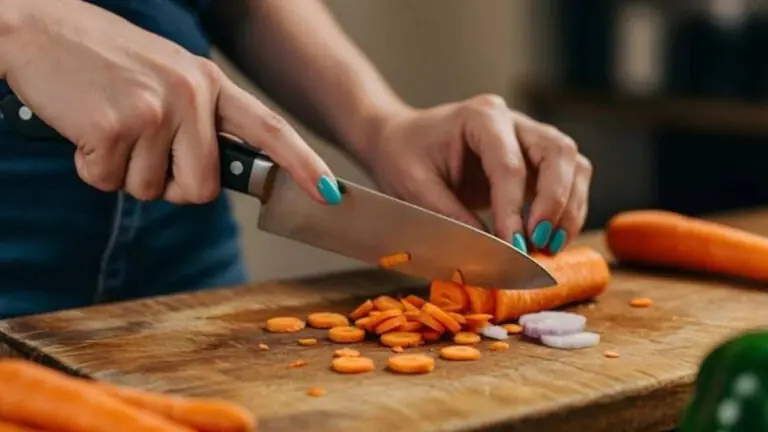
Holding the knife securely is the absolute foundation of kitchen safety and precision. Gripping the handle like a hammer provides very little control and forces your wrist to do all the heavy lifting. The correct approach involves pinching the very base of the blade, known as the heel, right where it meets the handle, using your thumb and index finger. Wrapping your remaining three fingers loosely around the handle creates a highly balanced grip that allows the knife to act as an extension of your arm. Equally important is the placement of your non-dominant hand, which holds the food in place. You must curl your fingertips inward like a claw, resting your knuckles flat against the side of the blade as it moves up and down. This specific claw technique guarantees that your fingertips remain completely tucked away from the sharp edge while allowing your knuckles to guide the thickness of every single slice.
Mastering The Fundamental Onion Dice
Dicing an onion is the starting point for countless traditional recipes, and doing it correctly saves immense time while keeping tears to a minimum. You begin by slicing off the stem end while leaving the hairy root completely intact. Halving the onion straight through that root gives you two stable, flat surfaces to work with. Peeling back the papery skin reveals the flesh, which you then place flat side down on the cutting board. Using the tip of your knife, make several horizontal slices parallel to the board, stopping just short of the root so the onion holds together. Next, make vertical slices down the length of the onion, again leaving the root intact. Finally, chopping across those initial cuts produces perfectly uniform, square pieces that will melt evenly into your cooking base. Throwing away the small root end at the very finish ensures zero waste and maximum efficiency.
Creating Consistent Vegetable Matchsticks
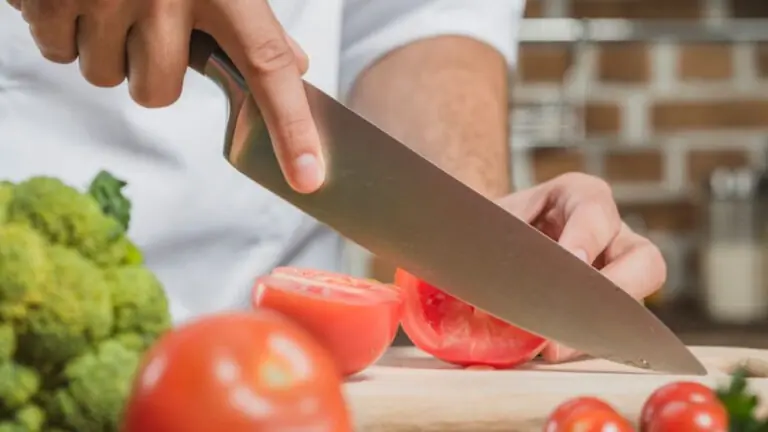
The julienne cut transforms dense vegetables into elegant, thin matchsticks that cook rapidly and look incredibly refined on the plate. Carrots, courgettes, and bell peppers are the most common candidates for this specific technique. The first and most crucial step is squaring off the vegetable by trimming a thin slice from one side to create a completely flat base. This prevents the vegetable from rolling dangerously beneath your blade. You then cut the vegetable into thin, rectangular planks of uniform thickness. Stacking a few planks on top of each other allows you to slice cleanly down through the pile, producing long, slender sticks. Maintaining a consistent width across every matchstick ensures that all the pieces will soften at the exact same rate when tossed into a hot stir fry pan or added to a fresh salad.
Executing A Perfect Chiffonade Cut
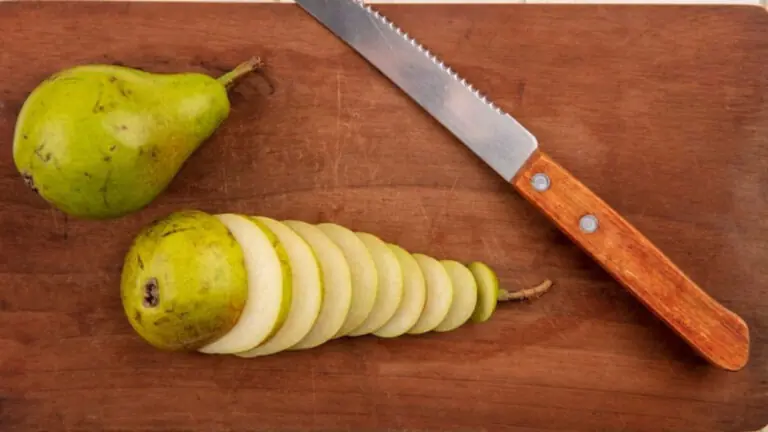
Delicate leafy greens and fresh herbs require a highly specific approach to prevent them from bruising and turning black on the cutting board. The chiffonade cut produces beautiful, fine ribbons of basil, mint, or spinach that serve as fantastic garnishes or flavour bases. You start by plucking the fresh leaves from their tough stems and stacking them neatly on top of one another, placing the largest leaf at the very bottom of the pile. Rolling the stacked leaves tightly into a compact, cigar like cylinder makes them incredibly easy to slice. Using a very sharp knife, you must employ a smooth rocking motion to slice cleanly across the roll without pressing down heavily. Applying too much downward pressure crushes the fragile cell walls of the herbs, releasing all their essential oils onto the board instead of into your food. The resulting thin ribbons add immediate elegance and a massive burst of fresh flavour to any finished dish.
Mincing Garlic And Aromatics Efficiently
Mincing reduces aromatics into a very fine paste, ensuring their robust flavours distribute evenly throughout sauces and marinades without leaving harsh, raw chunks in the final bite. Garlic cloves and fresh ginger are the most frequent targets for a proper mince. To process garlic quickly, place the flat side of your chef knife directly over the peeled clove and give the blade a firm, careful smack with the heel of your hand. This initial crushing motion breaks down the structure of the garlic and releases its pungent oils immediately. You then gather the crushed pieces into a small pile and rock your blade back and forth across them, using your non-dominant hand to press down gently on the spine of the knife for added stability. Scraping the pile back together and repeating this rocking motion transforms the rough pieces into a remarkably fine mince that dissolves beautifully in a hot pan of ghee or olive oil.