Makhana To Sabudana: 5 Kheer Varieties For Every Sweet Tooth
Makhana To Sabudana: 5 Kheer Varieties For Every Sweet Tooth
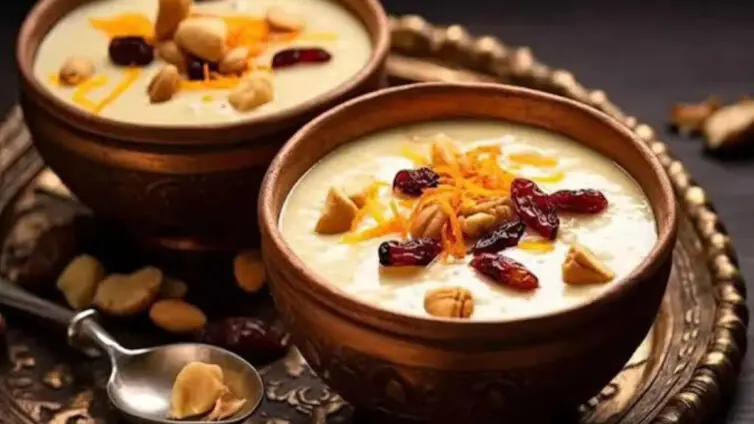


Rich simmering milk serves as a blank canvas for some of the most beloved traditional desserts. Exploring five distinct kheer varieties reveals how simple pantry staples transform into deeply comforting puddings through slow reduction, careful spicing, and traditional cooking methods.
A warm bowl of kheer provides immense comfort and serves as the ultimate conclusion to any celebratory meal. The beauty of this milk based dessert lies in its incredible versatility and deep historical roots across regional kitchens. For generations, the slow reduction of milk has been a fundamental technique in local culinary traditions. While the core technique involves simmering milk over a strictly low flame, the choice of the primary ingredient alters the final texture and flavour profile entirely. Before modern refrigeration techniques allowed for complex set desserts, home cooks relied on the natural caramelisation of milk sugars to create rich sweets. Preparing a perfect kheer requires immense patience and a heavy bottomed pan to ensure the milk thickens naturally without scorching at the base. You cannot rush the cooking process by suddenly increasing the heat. The magic happens slowly as the liquid reduces and absorbs the delicate aromas of freshly pounded cardamom and saffron. This slow cooking method yields a pudding that feels both luxurious and intimately familiar. From the starchy chew of tapioca pearls to the light sponge of roasted foxnuts, every single variation offers a completely different sensory experience. The chosen grains, seeds, or vegetables act as natural thickeners while absorbing the sweetened milk. By experimenting with different bases and natural sweeteners like unrefined jaggery or rock sugar, home cooks can easily satisfy every type of sweet tooth. Exploring these five distinct kheer varieties reveals how simple pantry staples transform into deeply comforting puddings through slow reduction and highly traditional cooking methods.
Makhana Kheer
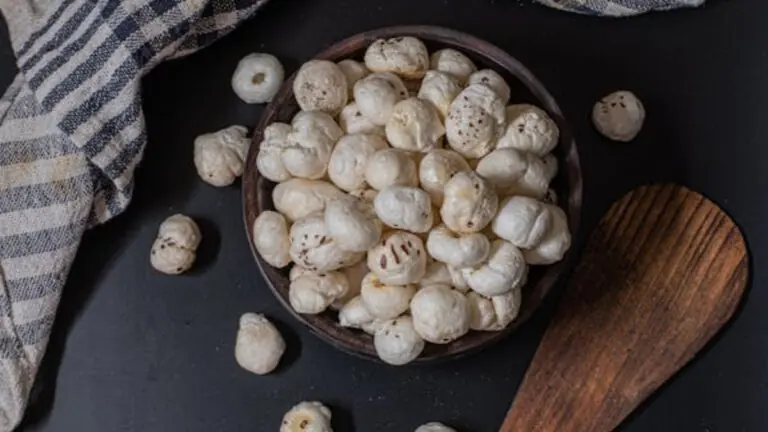
Foxnuts, or makhana, provide a brilliantly light and spongy texture when simmered in a pot of reduced milk. Unlike heavy grains, foxnuts absorb liquid incredibly fast without releasing any sticky starch into the pudding, making it a highly preferred option for those seeking a lighter dessert. You must first roast the makhana in a spoonful of pure ghee until they become brittle and crisp. Crushing half of the roasted foxnuts into a coarse powder before adding them to the boiling milk helps thicken the kheer naturally, giving it a beautifully creamy body. The remaining whole foxnuts soften slightly but retain a highly satisfying bite that contrasts perfectly with the rich liquid. Sweetened with natural jaggery and scented with freshly pounded green cardamom, this dessert feels wonderfully light on the stomach and remains a highly popular choice during days of fasting.
Sabudana Kheer
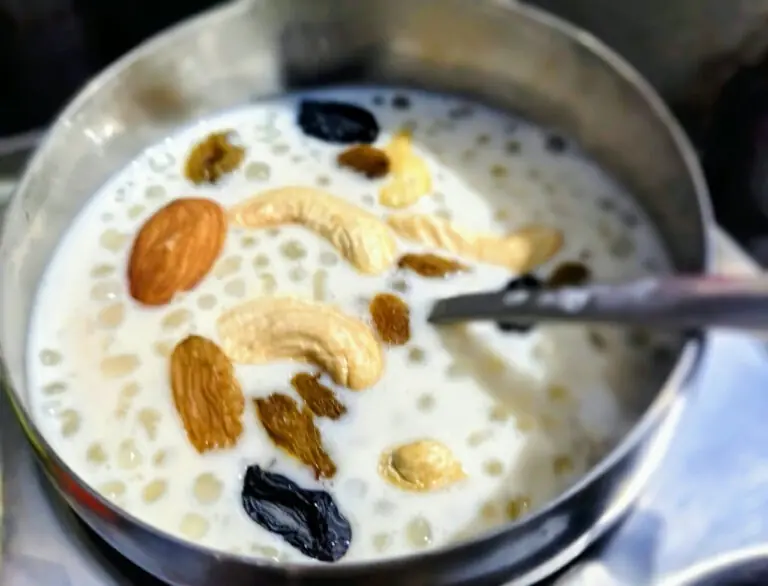
Tapioca pearls create a kheer with a remarkably unique and chewy texture that stands completely apart from grain based puddings. Sabudana requires careful preparation before it ever touches the milk to prevent the pearls from clumping into a massive, sticky block. Washing the pearls thoroughly under cold running water removes the excess surface starch that causes them to bind together. You must then soak them in just enough water for a few hours until they swell up completely and become soft to the touch. When added to the gently simmering milk in a stainless steel pot, the soaked pearls turn completely translucent, absorbing the creamy richness of the liquid like tiny sponges. A generous pinch of saffron not only lends a beautiful golden hue to the milk, but also provides a deep floral aroma that cuts through the heavy starch beautifully.
Classic Chawal Ki Kheer
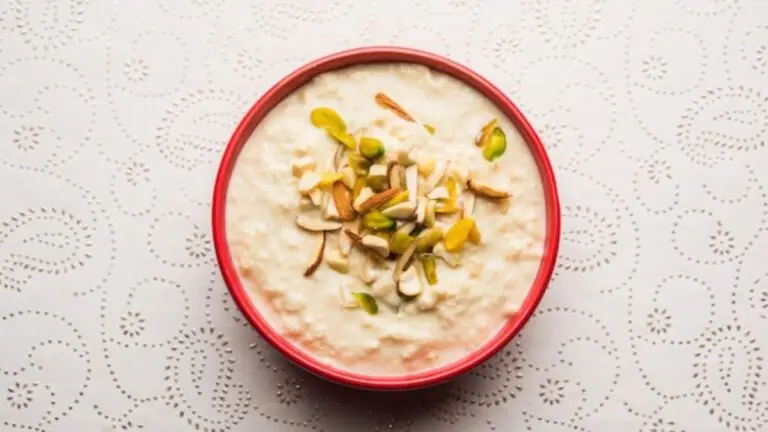
Rice kheer remains the most universally beloved and traditional form of this milk based dessert. Short grain rice varieties, like Gobindobhog or Seeraga Samba, work best because they release an abundance of starch while breaking down completely during the slow, methodical cooking process. You must wash and soak the rice briefly before cooking it directly in the milk, rather than boiling it in water first. The slow simmering action allows the milk to caramelise slightly over the heat, yielding a naturally sweet and deeply nutty base. Constant stirring is strictly required to prevent the heavy rice grains from settling and burning at the very bottom of the pot. A handful of slivered almonds and roasted cashews folded in at the very end provides a necessary, satisfying crunch against the velvety rice.
Seviyan Kheer
Roasted vermicelli strands offer a fantastic textural contrast and cook significantly faster than raw grains, making this an ideal dessert for sudden cravings. Seviyan kheer is an essential celebratory dish that comes together in mere minutes once the milk reaches a rolling boil. You begin by breaking fine wheat vermicelli into small pieces and roasting them in a dry pan until they turn a deep, even golden brown. The roasting process is crucial because it prevents the fine noodles from turning mushy and losing their shape once they hit the hot liquid. As the vermicelli cooks, it releases a beautiful toasted wheat aroma that pairs perfectly with chopped dates and plump raisins. Serving this specific pudding slightly chilled enhances the chewiness of the vermicelli strands, offering a refreshing end to a heavy meal.
Lauki Ki Kheer

Grated bottle gourd transforms into a spectacularly fresh and vibrant dessert when cooked down with milk and sugar. Lauki ki kheer provides a brilliant way to incorporate vegetables into a sweet dish, creating a pudding that feels remarkably light and cooling. You must peel the bottle gourd, remove the spongy centre seeds entirely, and grate the firm green flesh very finely. Squeezing out the excess water from the grated vegetable is an absolutely critical step to prevent the warm milk from curdling. Sautéing the green shreds in a little ghee before adding the milk removes the raw vegetable taste completely, leaving behind a subtle sweetness. The gourd softens into tender, translucent strands that absorb the cardamom infused milk beautifully, resulting in a refreshing and relatively light dessert option that is perfect for warm afternoons.