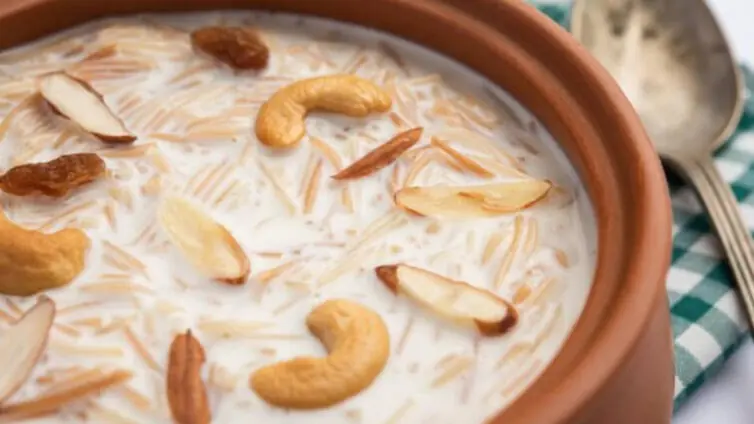
Festivals in South Asian households feel incomplete without a bowl of warm, comforting kheer. Among the different varieties, sewaiyan ki kheer is incredibly popular because it comes together much faster than traditional rice kheer. It involves roasting thin vermicelli in clarified butter until golden, then simmering it in full fat milk until the grains soften and the milk reduces to a rich, velvety consistency. It is a dessert that brings an immediate sense of celebration to the dining table, whether it is for Eid, Diwali, or a casual family gathering.
Transitioning this festive staple to an induction cooktop can cause some anxiety for home cooks used to gas stoves. Milk is highly sensitive to intense heat, and because induction stovetops transfer energy directly and rapidly to the pan, the risk of burning the milk at the bottom is quite high. If the milk scorches even slightly, a bitter, smoky taste will ruin the entire batch of kheer. The key to success lies in understanding the manu
Festivals in South Asian households feel incomplete without a bowl of warm, comforting kheer. Among the different varieties, sewaiyan ki kheer is incredibly popular because it comes together much faster than traditional rice kheer. It involves roasting thin vermicelli in clarified butter until golden, then simmering it in full fat milk until the grains soften and the milk reduces to a rich, velvety consistency. It is a dessert that brings an immediate sense of celebration to the dining table, whether it is for Eid, Diwali, or a casual family gathering.
Transitioning this festive staple to an induction cooktop can cause some anxiety for home cooks used to gas stoves. Milk is highly sensitive to intense heat, and because induction stovetops transfer energy directly and rapidly to the pan, the risk of burning the milk at the bottom is quite high. If the milk scorches even slightly, a bitter, smoky taste will ruin the entire batch of kheer. The key to success lies in understanding the manual wattage controls of your appliance and choosing heavy cookware that can distribute heat evenly.
Slow cooking is the secret to a great kheer, even on a modern induction plate. By keeping the wattage low and stirring regularly, you allow the vermicelli to release its starches slowly, which thickens the milk naturally without needing condensed milk or artificial thickeners. The final additions of crushed cardamom, saffron strands, and ghee-fried nuts give the pudding its festive character. It is an honest, straightforward process that proves you can achieve old school, slow cooked perfection using modern kitchen technology.